
Is EV the Way Indian Consumers Finally Experience Affordable Performance?
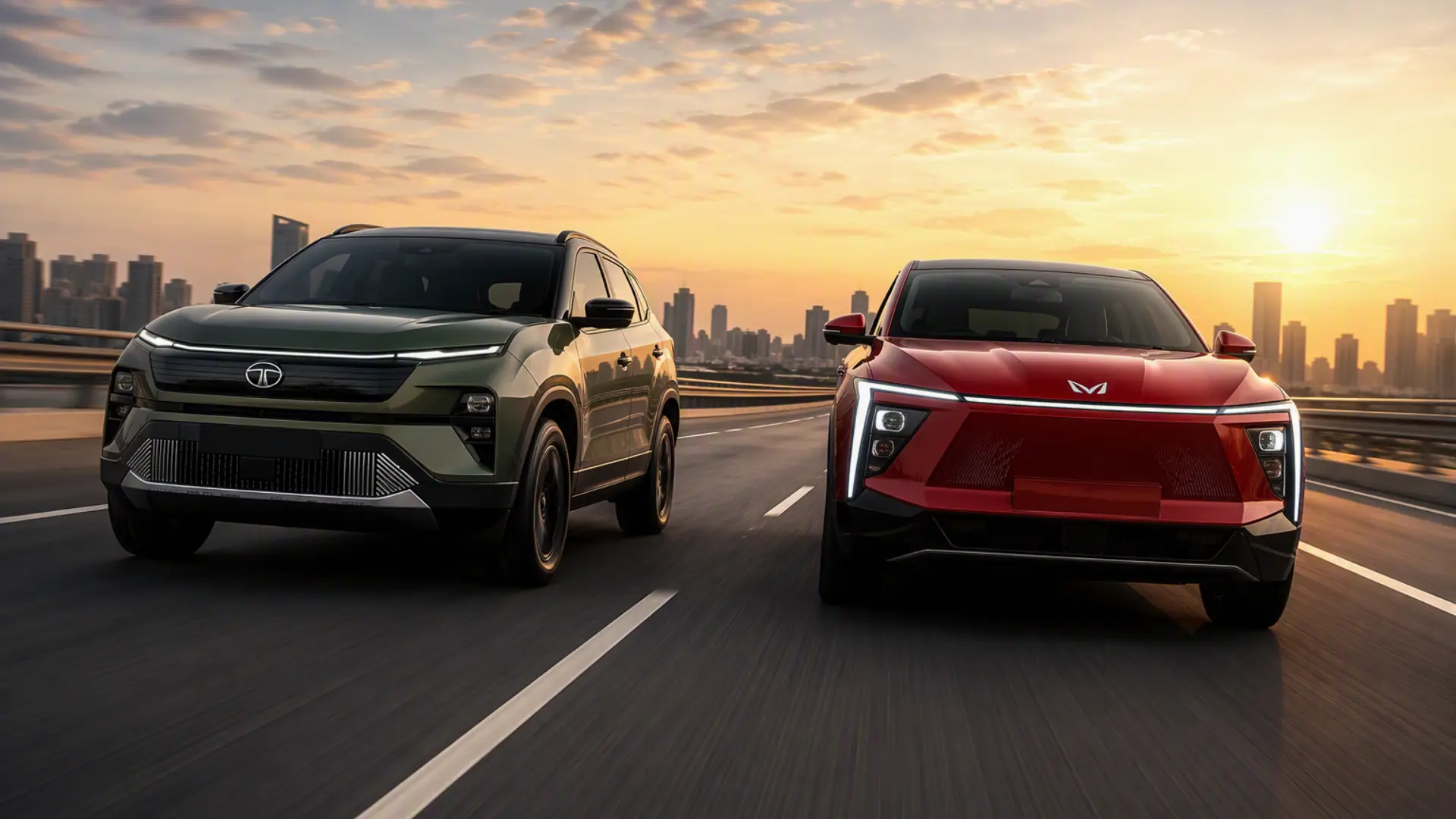
Electric vehicles are making performance accessible to Indian buyers in a way internal combustion cars never could. From the Tata Harrier.ev to the Mahindra BE 6, today's mainstream EVs are delivering acceleration once reserved for expensive enthusiast and luxury cars.


Category:
Tag:
- Tata
- Mahindra
- Indian EVs
- EV Performance
For decades, performance has remained one of the most inaccessible aspects of the Indian automotive market.
While consumers in Europe, America and Japan could aspire to affordable sports sedans, hot hatchbacks and V8 muscle cars, Indian enthusiasts largely had to make do with compromises. High import duties, fuel costs, taxation linked to engine displacement, and a market driven primarily by efficiency ensured that outright performance remained the privilege of a very small group of buyers.
Ironically, it may be electrification, a technology introduced primarily in the name of sustainability, that finally democratizes performance in India.
Today, vehicles costing between ₹15 lakh and ₹30 lakh can accelerate faster than some of the most celebrated performance cars that enthusiasts dreamt about just a decade ago.
The Era When Performance Was Reserved for the Few
To understand why this shift is significant, it is worth remembering what performance looked like in India ten or fifteen years ago.
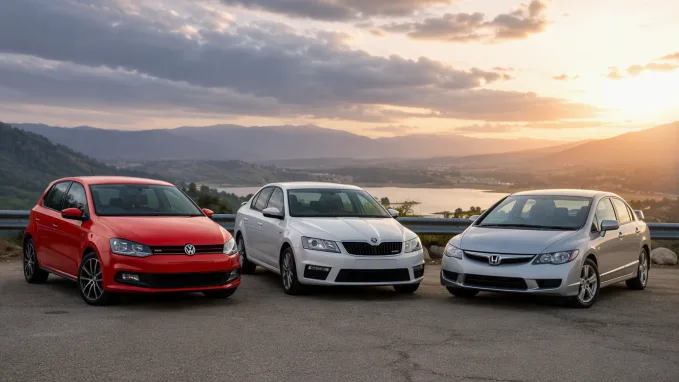
The Volkswagen Polo GT TSI was considered an enthusiast icon. The Skoda Octavia vRS became the benchmark for affordable performance. The Honda Civic, Toyota Corolla Altis and Hyundai Elantra represented the aspirational end of the mass-market sedan segment.
These were desirable cars, but none could truly be described as fast by global standards.
The average Indian buyer purchasing a family SUV or sedan was usually looking at 0-100 km/h acceleration times in the 10 to 13 second range. Anything below 8 seconds was considered genuinely quick.
Fast-forward to 2026, and many mainstream EVs have completely rewritten that benchmark.
The Comparison
Consider the Tata Nexon EV.
Instrumented testing recorded a 0-100 km/h time of 9.77 seconds for the Nexon EV 45.
That may not sound extraordinary today, but it places an everyday electric compact SUV in territory previously occupied by enthusiast-focused sedans in India.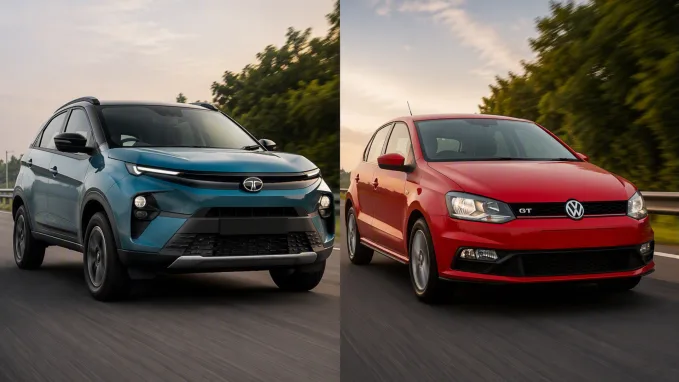
The bigger shift becomes evident higher up the market.
The Hyundai Ioniq 5 accelerates from 0-100 km/h in approximately 7.6 seconds.
A decade ago, those numbers would have comfortably entered performance sedan territory in India. Today, they belong to a practical family EV focused more on comfort and technology than outright speed.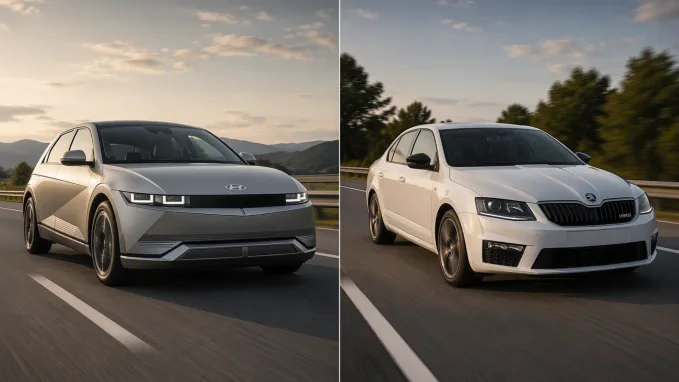
Then comes Mahindra's new generation of born-electric products.
The XEV 9e delivers a claimed 0-100 km/h sprint in 6.7-6.8 seconds through its rear-wheel-drive electric powertrain.
That is remarkable not because it is supercar fast, but because it is available in a segment traditionally dominated by practical family SUVs.
And then there is Tata's Harrier.ev.
Tata claims a 0-100 km/h time of 6.3 seconds for the dual-motor QWD version, powered by a combined output of over 300 hp and 504 Nm of torque.
Those are numbers that would have sounded absurd for a mainstream Indian SUV only a few years ago.
| Vehicle | Approx Price | 0-100 |
|---|---|---|
| Polo GT TSI | ₹10 lakh | 9.7s |
| Octavia vRS | ₹23 lakh | 7.3s |
| Nexon EV | ₹14 lakh | 9.7s |
| XEV 9e | ₹22 lakh | 6.8s |
| Harrier.ev | ₹28 lakh | 6.3s |
Performance Inflation
The most interesting part is not the absolute performance figures, but the rate at which performance has become affordable.
Ten years ago, achieving sub-7-second acceleration in India typically meant purchasing an imported luxury sedan, a premium German SUV, or a dedicated performance model carrying a substantial price premium.
Today, manufacturers such as Tata and Mahindra are offering similar straight-line performance in locally developed electric SUVs.
The cost of acceleration has collapsed and for perhaps the first time in Indian automotive history, performance is no longer tied directly to engine size, cylinder count, or premium branding, but to battery and motor technology
How did EVs Change the Game?
Internal combustion engines are inherently expensive to make fast.
More performance requires larger engines, turbochargers, stronger transmissions, additional cooling systems and increasingly complex engineering.
Electric motors however, do not operate under those constraints.
Also, instant torque delivery means even relatively affordable EVs can feel shockingly responsive.
A driver does not need to wait for turbochargers to spool up or gearboxes to downshift and the performance is available immediately.
In Indian conditions, most overtakes occur between 30 and 80 km/h rather than from a standing start. In these situations, an EV often feels significantly quicker than an ICE vehicle with similar power figures because maximum torque arrives instantaneously.
The Criticism
The common criticism is that performance is about more than straight-line speed, and that criticism is valid.
Driving engagement, steering feel, chassis balance and driver involvement remain areas where many EVs are still evolving.
Yet for the average Indian consumer, performance has historically been measured first by responsiveness and acceleration.
On those metrics, EVs have already transformed expectations. The buyer who once aspired to own a performance sedan now finds similar levels of acceleration available in a practical electric SUV.
Conclusion
India's EV revolution is usually discussed through the lenses of sustainability, charging infrastructure and operating costs. But another transformation is quietly unfolding.
For decades, performance was one of the most exclusive experiences in the Indian automotive market. Fast cars were expensive, taxed heavily and accessible only to a niche audience.
Electric vehicles are changing that reality.
For perhaps the first time, mainstream consumers can experience genuinely quick acceleration without entering luxury-car territory. The democratization of performance may not be the primary reason EVs succeed in India, but it could become one of their most compelling and least discussed advantages.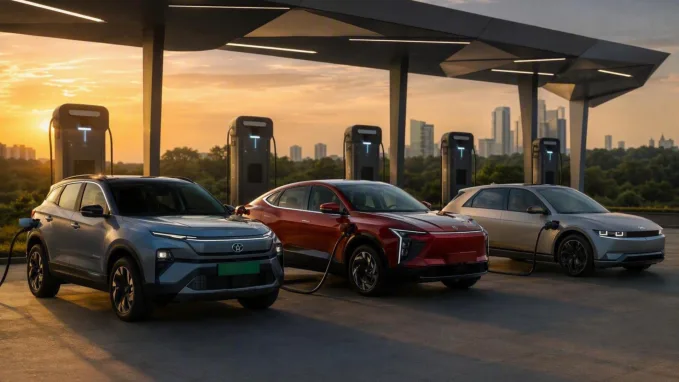
Trending Articles

Recent Articles
Top 5 Best Selling EVs This Year: Windsor Leads with Clear Margin
Renault Duster Hybrid vs Maruti Suzuki Grand Vitara Hybrid: Base, Mid, and Top Variant Comparison
Exclusive: MG Hector Tomahawk EV Charges Faster than MG Advertises

Renault Duster Hybrid Launched At ₹16,99,000 - See How It Compares With Its Rivals