
The £15 Billion Synergy: How Range Rover Tech Is Powering Tata’s Luxury EVs
How Tata Motors uses Jaguar Land Rover (JLR) engineering, 800V platforms, and off-road software to build electric SUVs like the Harrier.ev & Avinya, and what's the outcome?


Category:
Tag:
- Tata Motors
- Land Rover
- Range Rover
- Avinya
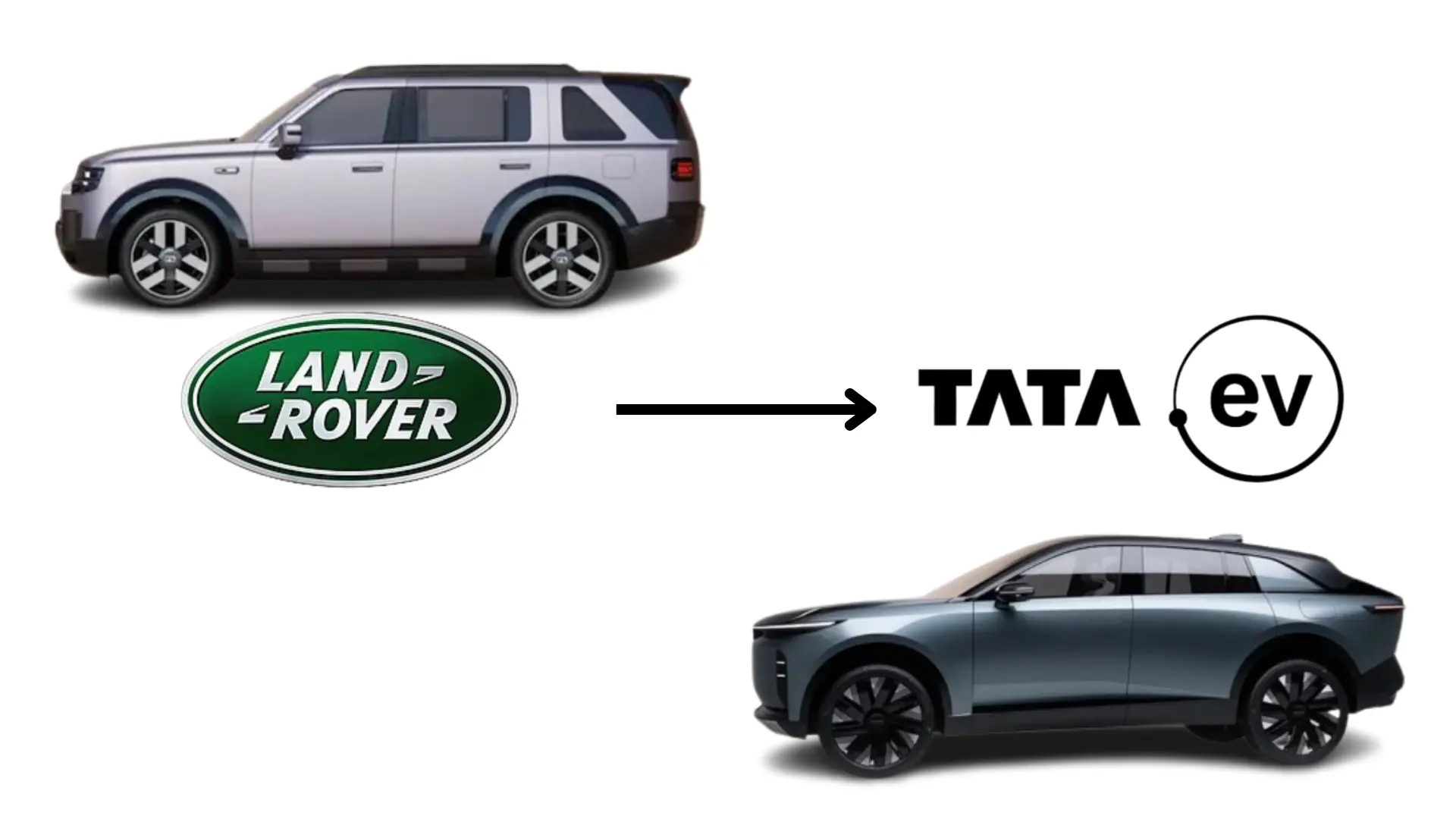
When Tata Motors acquired Jaguar Land Rover (JLR) in 2008 for $2.3 billion, industry analysts wondered if a mass-market Indian brand could manage a storied but troubled British luxury icon. Today, that deal stands as one of the most successful strategic moves in modern automotive history. Land Rover's fate has turned around with record sales, while Jaguar is in midst of a major revamp that might make or break them.
Tata Motors is bringing Land Rover's engineering into its domestic EV lineup. By combining Land Rover's shared platform architectures and luxury cooling systems, Tata was building ICE SUVs, and now, electric SUVs at extremely competitive prices.
The Engineering Evolution
This cross-brand technology transfer began years before the electric transition. To understand how Tata is building modern luxury EVs, it helps to look at how the relationship evolved.
Phase 1- ICE era
The Land Rover D8 chassis was adapted into the Tata Omega-Arc platform, based off which the Tata Harrier and Safari were made
Phase 2- Future Flagships
The CJRL 800v architecture, developed in partnership by JLR and Chery of China is rumored to be the foundation of the new Avinya line of premium EVs.
Adoptions in Current Tata EVs
When Tata launched the petrol and diesel Harrier and Safari, the foundation gave the SUVs exceptional high-speed stability, solid body control, and top-tier crash protection. In the electric era, that collaboration has shifted toward high-voltage architectures, software-defined vehicle (SDV) systems, and multi-motor torque management.
Land Rover’s Terrain Response system is famous for how it manages wheel slip in extreme off-road conditions. The Harrier.ev adopts a dual-motor setup that uses software algorithms adapted from Land Rover’s off-road testing. Instead of relying on heavy mechanical differentials, the software calculates wheel slip every few milliseconds. It instantly sends power to the wheels with the most grip, whether you are crawling over loose rocks or navigating flooded city streets.
The Avinya Pivot
While the Harrier.ev brings Land Rover software expertise to existing vehicle lines, the upcoming Avinya brand represents a complete leap into global luxury territory. Tata Motors originally planned to build the Avinya series on JLR’s Electrified Modular Architecture (EMA). However, adapting the high-cost EMA platform for target Indian production volumes proved commercially difficult. To sharpen pricing and speed up development, Tata pivoted to the CJLR Freelander platform. This architecture was co-developed by JLR and Chery through their joint venture. The 800-Volt Electrical System supports ultra-fast DC charging speeds up to 350 kW, allowing drivers to add hundreds of kilometers of range in under 15 minutes. The platform also has the advantage of being able to support pure electric setups, plug-in hybrids, and range-extender systems, where a small petrol engine acts as an onboard generator. Also, borrowing a proven architecture reduces development time, bringing the first Avinya SUV to showrooms potentially by 2027.
Shared Production Line
Production for the Avinya series will take place at Tata’s new manufacturing facility in Panapakkam, Tamil Nadu. The plant is designed to build both Tata and JLR models side by side, ensuring that panel gaps, paint finishes, and interior assembly meet international luxury standards.
Why This Shared DNA Gives Tata a Massive Commercial Advantage
Developing a new electric vehicle platform from scratch requires over hundreds of millions of dollars and up to five years of engineering work. Now by adopting this already co-developed architecture, the R&D costs automatically go down.
The development cycles also go down from an average of about 48 months to an average of about 30 months.
Then there's the obvious fact of the chassis itself being very well engineered and well mannered. So by tapping into JLR and its global joint ventures, Tata Motors avoids massive initial development expenses. Those savings allow Tata to offer dual-motor, 500+ km range electric SUVs at prices that imported luxury vehicles cannot match.
Takeaway
Tata Motors' ownership of Jaguar Land Rover is no longer just a financial investment but a primary engineering driver behind India's electric vehicle transformation. By putting Range Rover-derived software, 800V platform technology, and advanced thermal systems into domestic showrooms, Tata is proving that luxury-grade electric mobility can be both advanced and accessible. Now how the Avinya brand will turn out to be with all of this is still to be seen, because given that it will be the first definitively “luxury” Indian brand, it will carry a lot of weight on its shoulders.
Trending Articles


Recent Articles

India Clears ₹1.86 Lakh Crore Green Energy Corridor Plan With ₹50,000 Crore for Battery Storage
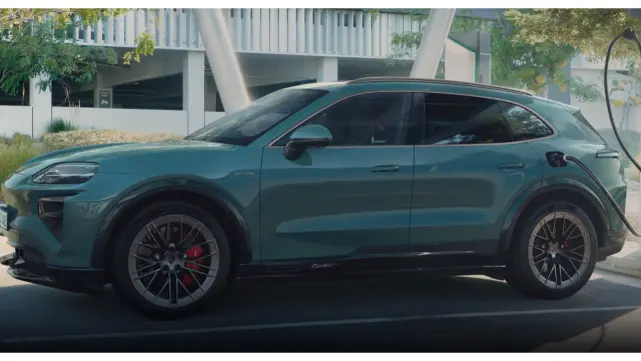
Porsche Cayenne Electric Launched in India at ₹1.77 Crore: 642 Km Range, 400 kW Charging and More
Government's CAFE III Norms Give EVs a 3x Credit, PHEVs 2.5x
Creta Electric Owners Approach Hyundai - File Petition for Lifetime Battery Warranty