Jaguar Type 01 Paradox: The Tata Perspective
Jaguar's radical transformation with the all-electric Type 01 grand tourer, its bold exterior and interior design, and what this ultra-luxury shift means for parent company Tata Motors.


Category:
Tag:
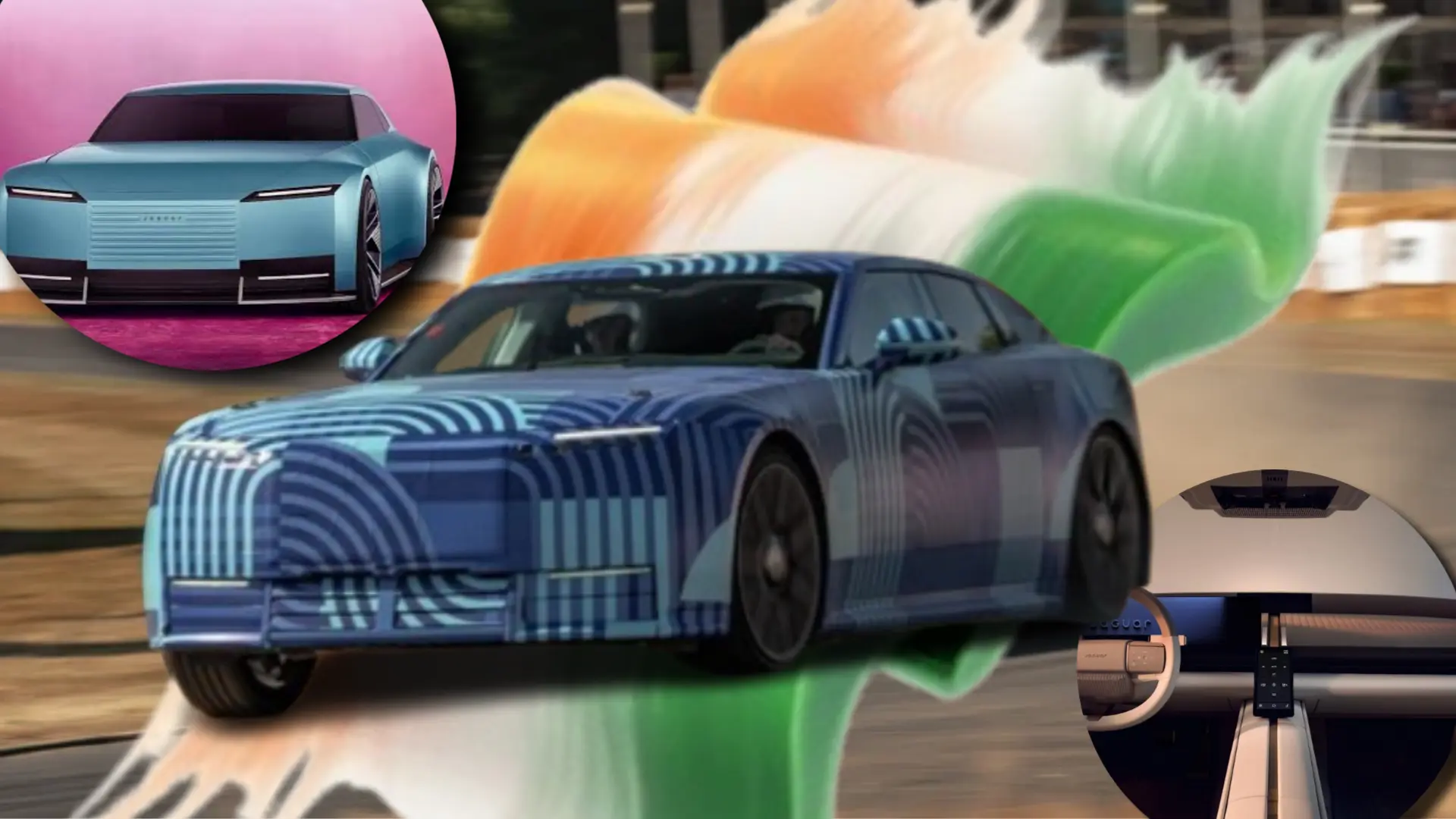
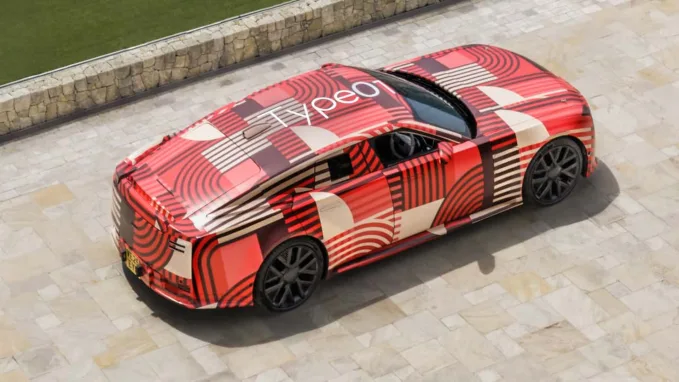
As Jaguar heads toward its radical all-electric reinvention, kicked off by the Jaguar Type 01 luxury four-door grand tourer, the production version of the polarizing Type 00 concept, a ripple effect might be hitting right at home for parent company Tata Motors.
While JLR's current global cash flow is heavily propped up by the gas-and-hybrid-powered Land Rover/Range Rover stables, Jaguar’s clean-slate pivot away from a traditional BMW/Audi competitor into a hyper-exclusive, ultra-luxury tier, to the likes of Bentley, Porsche, and Rolls-Royce creates a massive strategic dilemma.
The Death Of Volume

For years, Jaguar survived in markets like India on the back of relatively accessible luxury sedans and mid-sized SUVs like the XE, XF, and F-Pace, which allowed upwardly mobile professionals to buy into the British cat badge.
With the Type 01 sitting on the dedicated, EV-only Jaguar Electric Architecture (JEA) and packing a massive 120 kWh battery pack, a tri-motor setup pushing over 1,000 horsepower, an 850V system enabling ultra-fast charging, and a targeted range of over 700 km, Jaguar is effectively wiping the slate clean. It’s abandoning the volume game entirely to become an ultra-rare, high-theater art piece with a price tag anticipated well north of ₹1.5 crore without even talking about import duties and taxation.
Radical Styling and Proportions
Measuring over 5.2 meters long with an expansive 3.2-meter wheelbase, the Type 01 abandons the classic three-box saloon silhouette. Instead, it adopts an incredibly long, low-slung bonnet, a sweeping, art-deco roofline, and upright front and rear sections.
Most controversially, mirroring its concept predecessor, the production-spec Type 01 completely ditches the traditional rear windscreen, relying instead on a seamless, minimalist rear aesthetic backed by digital rearview cameras. Exterior lighting and branding cues incorporate unique "strikethrough" graphic motifs sitting right where the bonnet meets the windscreen, giving it a lot of visual footprint.
The Cabin
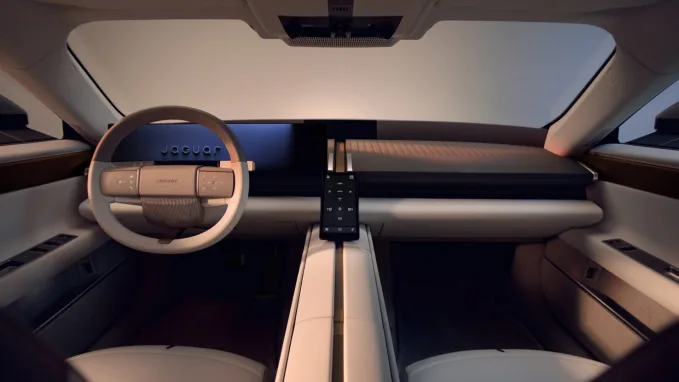
While many German and Chinese EV makers are turning interiors into IMAX theaters with massive, sprawling multi-screen dashboards, Jaguar is moving rather cautiously in comparison. The Type 01 introduces a "hidden-on-demand" technology philosophy.
Running straight down the middle of the four-seat cabin is a brass-finished "Central Spine" that physically divides the four individual passenger quadrants. This architectural spine houses a discrete and small portrait screen for climate and media controls, accompanied only by a rather large curved digital instrument panel for the driver and minimal peripheral touch interfaces. The materials lean heavily into tactile, organic luxury with a lot of stone accents, bespoke artisan textiles, frameless windows, and the iconic Jaguar "Leaper" logo laser-etched into the door panels.
It is however also important to note that the lack of physical controls to be seen anywhere might be of concern, although the full extent of it can only be known once the vehicle is properly unveiled.
350kW Charging- Useful or Marketing?
The Type 01’s underlying performance metrics force a practical discussion about how high-end EVs are used. Powered by a massive 120 kWh battery pack running on an advanced electrical architecture, the car supports ultra-fast 350kW DC charging capabilities. This means owners can theoretically recoup hundreds of kilometers of range in the time it takes to grab a coffee at a highway charging stop.
However, this introduces a classic paradox for the ultra-luxury segment, of whether the target demographic for a £100,000+ four-door GT waits around at public charging stations. For buyers in metropolitan clusters like Mumbai or Delhi for and Indian reference point, the vehicle will almost exclusively rely on bespoke home AC wall boxes or luxury hotel destination chargers. So when a car is engineered with obsessive road dynamics, a tri-motor 1,000-horsepower layout, and hyper-fast charging hardware that most owners will rarely test on public grids, does it become an engineering masterpiece built purely to make a statement, or a genuinely usable long-distance tourer?
The Silent Heritage
For decades, part of the thrill of owning a Jaguar was the acoustic signature of a supercharged or high capacity engine. The transition to a silent, triple-motor electric setup fundamentally alters that emotional connection.

Inside the Type 01, the absence of an internal combustion engine is met not with artificial, spaceship-like soundtrack generators like in the German brands or the Dodge Charger EV, but with a quiet environment reminiscent of classic vintage luxury cruisers. By focusing on the tactile engagement that journalists who got an early test drive spoke about, such as the firm, highly communicative bite of the brake-by-wire system, active four-corner air suspension, and rear-wheel steering designed to mask the vehicle's massive 5.2-meter footprint, Jaguar is attempting to redefine what decades of their "performance feedback" feels like when there's no exhaust note to lean on. It's a bold gamble on whether modern ultra-luxury buyers are ready to trade the traditional and muscular noise for an artisan-crafted, quiet experience.
Tata Synergy Test
The big internal question for Tata Motors is how much EV DNA crosses over. While Land Rover scales its 'mass-luxury market' EVs globally and builds its indigenous battery ecosystem via group initiatives like Agratas, the JEA platform is an entirely bespoke, ultra-high-end beast engineered in the UK.
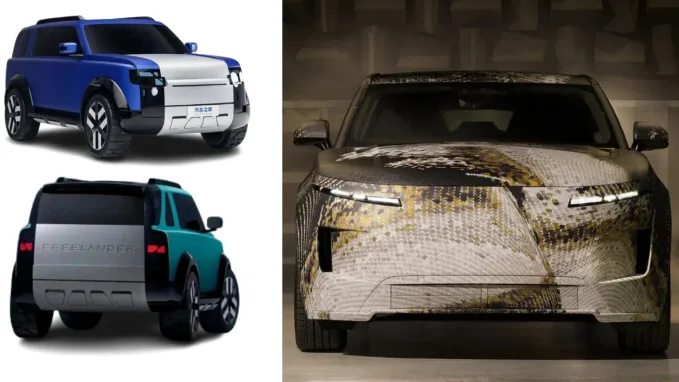
Can the JLR group leverage the software, thermal management, and high-voltage architectural learning from its relatively cheaper to-be EVs to feed into a £100,000+ British GT? Or does the ultra-luxury tier require a completely isolated ecosystem, keeping JLR boardroom planners at arm's length from the brand's radical new direction under PB Balaji, JLR's CEO?
The Indian Luxury Buyer's Identity Crisis
There is also a massive psychological hurdle in the emerging ultra-luxury market. Historically, buyers in Mumbai, Delhi, and Bengaluru loved Jaguars for their roaring supercharged V6 and V8 soundtracks, traditional leather-and-wood clubby cabins, aggressive stance, and most importantly the aggressive pricing compared to competitors.
The Type 01 trades all of that for a radical, minimalist digital sculpture. Can a brand successfully pivot public perception into becoming a silent, avant-garde art piece when ultra-luxury buyers in India still lean heavily toward the booming, petrol-and-diesel-powered Range Rover and Defender stables? It’s a gamble on whether British avant-garde minimalism can find its way into the ultra-wealthy garage and whether Tata's crown jewel can successfully reinvent its soul without losing its audience.

Can an Icon Reinvent Its Soul Without Losing Its Crowd?
As Jaguar prepares to bare its all-electric future to the world, the ultimate question remains unanswered, of if the Type 01 is a visionary product that will successfully carve out a brand-new slice of ultra-luxury exclusivity for Jaguar, or a bridge too far for a clientele still wedded to either the Brand/Badge value of the Rolls Royces and Bentleys, or the visceral noise of fossil fuels? Will the backing of an industrial giant like Tata give the brand the runway it needs to survive its most expensive identity crisis yet, or will the loss of volume leave a permanent scar on the British cat's legacy in emerging luxury markets and existing ones?
We might get that answer in a few weeks.
Trending Articles