
BE 6 Sporteq "One" vs. Sierra.EV "Pure 63" - Which is the better entry level choice?
Comprehensive comparison between the entry-level BE 6 Sporteq One and the Sierra EV Pure 63, analyzing styling, powertrain, cabin tech, fast charging, etc.


Category:
Tag:
- Mahindra BE 6 Sporteq
- Tata Sierra.EV
- BaaS
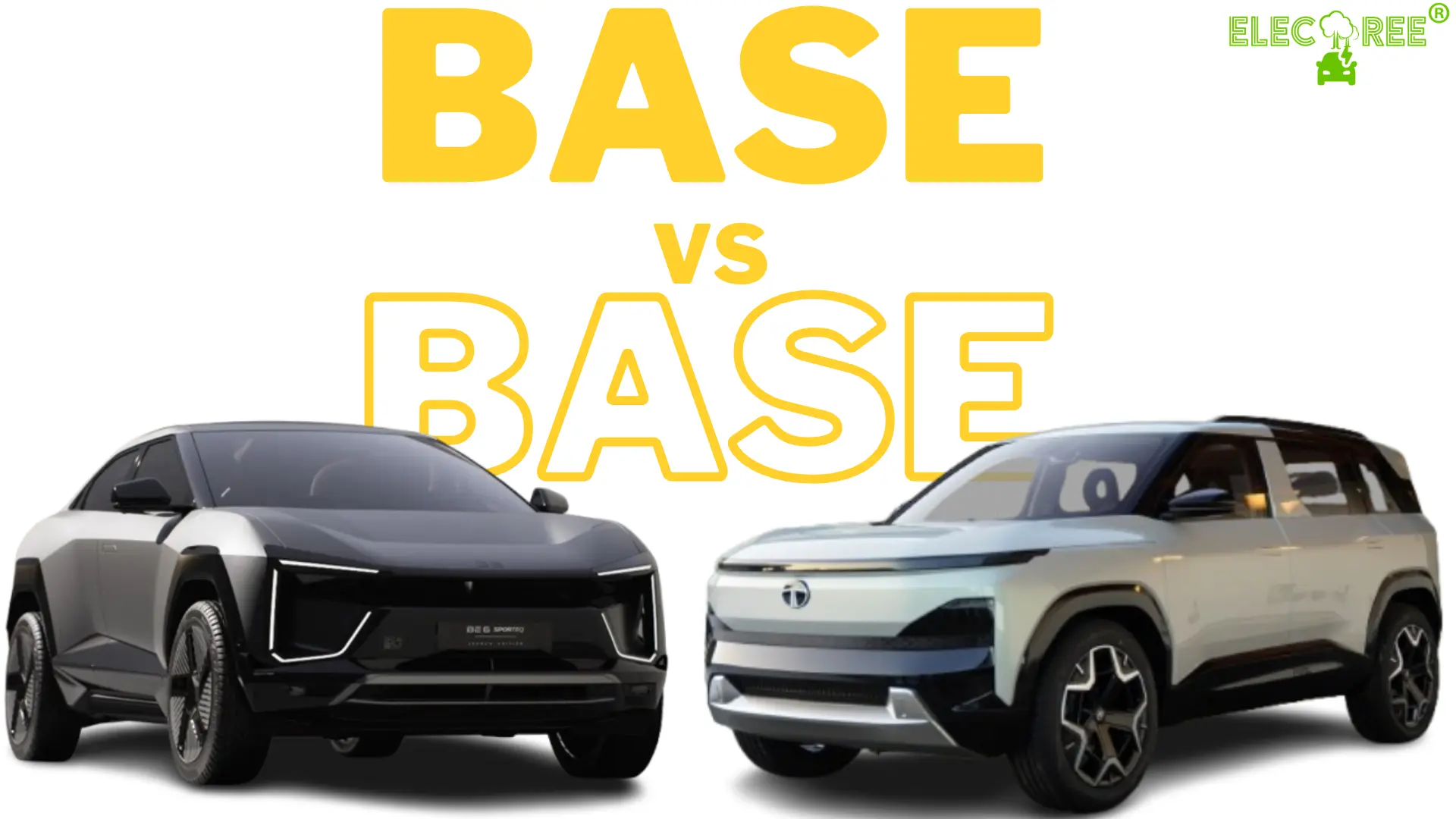
India's mid-size electric SUV segment has reached fever pitch. On one side stands the newly launched Mahindra BE 6 Sporteq. A sharp, coupe-styled performance machine built on the dedicated INGLO skateboard architecture, and on the other is the Tata Sierra EV, a nostalgic, practical, upright SUV utilizing Tata's acti.ev dedicated architecture.
Both automakers are pitching the base variants of said models directly against each other in the ₹18 lakh to ₹20 lakh price bracket. However, with Mahindra introducing a disruptive Battery-as-a-Service (BaaS) ownership model, the financial math for prospective buyers changes dramatically. Still though, which would be a better choice for your use case?
Design and Street Presence
Both SUVs turn heads, but they approach road presence from polar opposites:
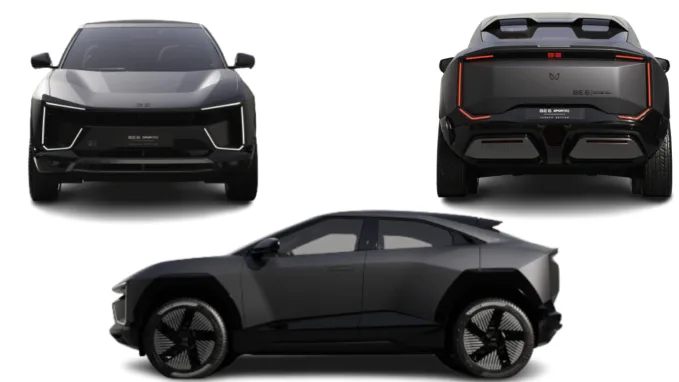
Mahindra BE 6 Sporteq One: The base Sporteq retains the low-slung, cyber-sculpted coupe silhouette. It features full-width C-shaped LED daytime running lights, flush pop-out mechanical door handles, aero wheel covers, and an aggressive sloping fastback tailgate. It looks like an agile, track-inspired sports crossover.
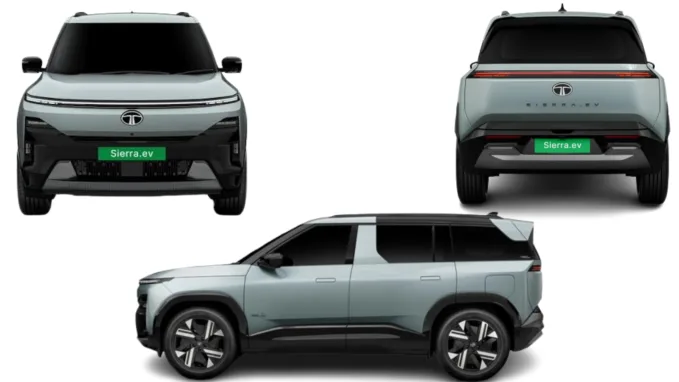
Tata Sierra EV Pure 63: The Sierra EV leans into the nostalgic side of things. It boasts an upright, boxy stance with a high bonnet line, signature curved alpine rear quarter glasshouse, and a solid horizontal front LED lightstrip. It prioritizes commanding SUV presence and generous passenger headroom over sharp cuts and aerodynamics.
Powertrain, Battery Capacity and Range
Under the floorpan, both entry-level models feature dedicated liquid-cooled LFP battery packs and rear-wheel-drive, single-motor configurations:
| Mahindra BE 6 Sporteq One | Tata Sierra.EV Pure 63 | |
|---|---|---|
| Battery pack Size and Chemistry | 59 kWh Lithium Iron Phosphate (LFP) | 63 kWh Lithium Iron Phosphate (LFP) |
| Drivetrain layout | Rear-Wheel-Drive Single Motor | Rear-Wheel-Drive Single Motor |
| Power Output | ~228 bhp (170 kW) | ~204 bhp to 235 bhp |
| Peak Torque | 360 Nm | 315 Nm |
| Claimed Range (MIDC) | 548 km | 535 km – 566 km |
| Estimated Real World Range | ~390 km – 430 km | ~410 km – 445 km |
While the Sierra EV Pure holds a slight 4 kWh battery capacity advantage resulting, in theory, more or less a 20 km advantage in real-world range, the BE 6 Sporteq One dominates on torque and acceleration with 360 Nm on tap, delivering a sharper throttle response.
Fast Charging & Thermal Architecture
Long distance touring capabilities come down to high-voltage architecture and peak charging curves. It is also important to note that while companies might claim a certain peak charging wattage, being able to achieve it consistently and at all charging stations is next to impossible…for now at least.
| Mahindra BE 6 Sporteq | Tata Sierra.EV Pure 63 | |
|---|---|---|
| DC Fast Charging capability | Up to 140 kW | Up to 110 kW |
| 20% to 80% Fast Charge Time | ~20 – 22 minutes | ~25 – 26 minutes |
| AC Home Wallbox Charging | 7.2 kW (~8.5 – 9.5 hours) | 7.2 kW (~8.5 – 9.5 hours) |
| Vehicle-to-Load (V2L) Support | No | Yes (Bi-directional power output) |
Cabin Tech, Ergonomics & Base Equipment
Automakers often strip base models of tech, but both brands have kept their entry-level trims surprisingly loaded:
| Mahindra BE 6 Sporteq One | Tata Sierra EV Pure 63 | |
|---|---|---|
| Driver Instrument Cluster | 12.3-inch Full-Digital Cluster | 10.25-inch Digital Cockpit Display |
| Central Infotainment Display | 12.3-inch Floating Touchscreen | 12.3-inch Floating Touchscreen |
| Conversational AI & Voice | MAIA TEQ Suites (Google Gemini conversational AI) | Native Voice Assist (6 languages) + Amazon Alexa |
| Vehicle-to-Load (V2L) | Not Offered | Included (3.3 kVA V2L external power output) |
| Audio Speaker Setup | 6-Speaker Surround Sound System | 8-Speaker Audio System (4 Speakers + 4 Tweeters) |
| Front Trunk (Frunk) | 45 Litres dedicated frunk | 55 Litres dedicated frunk |
| Main Luggage Boot | 455 Litres (Coupe-tailgate layout) | 622 Litres (Upright boxy layout, easier to load, pack and unload items) |
| Cruise Control & Drive Modes | Standard Cruise Control + Custom Drive Modes | Standard Cruise Control + 3 Drive Modes (Eco, City, Sport) |
BE 6 Sporteq One: The base variant features the dual 12.3-inch floating digital cockpit with the new 3-screen layout being reserved for Sporteq Two and above. It comes standard with the MAIA TEQ Suites, including TEQ_Talk which is a conversational AI powered by Google Gemini, wireless phone pairing, 6 airbags, push-button start, dynamic drive modes with custom regen levels, and connected car tech. The driver-focused center cockpit console creates a racecar-like cockpit ambiance, although it is important to note that the “halo” cockpit design with the dual screen setup and an arch going through the center console is now reserved for the BE 6 Formula E edition only.
Sierra EV Pure 63: Tata packs the Pure 63 with a 12.3-inch floating touchscreen infotainment system, a 10.25-inch fully digital instrument cluster, 6 airbags, cruise control, push-button start, and wireless Android Auto / Apple CarPlay. Because of its tall glasshouse and boxier profile, the Sierra EV feels noticeably airier, offering class-leading rear headroom and a massive 622-liter boot capacity compared to the BE 6's tighter coupe luggage bay.
Upfront Pricing for an Outright Purchase vs. BaaS Model
The upfront entry cost is where Mahindra has created a major market distinction:
- Tata Sierra EV Pure 63 (Outright): At ₹18.79 Lakh Ex-Showroom, Tata sells the Sierra EV purely as an integrated vehicle package including the 63 kWh battery and lifetime battery warranty.
- Mahindra BE 6 Sporteq One (Outright): ₹19.45 Lakh Ex-Showroom
- Mahindra BE 6 Sporteq One with BaaS: ₹11.45 Lakh Ex-Showroom + Battery rental at ₹3.75 per km. However, it is important to note that the BaaS option requires a mandatory minimum monthly payment based on 60 km of daily driving or 1,800 km per month, tied to an 8-year battery loan.
The thinking from Mahindra is that under BaaS, a buyer gets into a mid-size electric SUV at an upfront sticker price lower than a top-spec petrol sub-compact SUV. To read more about the Baas structure being explained and being compared with an outright purchase, click here.
Which Base EV Should You Buy?
Both base variants disrupt the ₹18L–₹20L EV market, but they target fundamentally different personas:
Choose the Mahindra BE 6 Sporteq One if: You want cutting-edge sports-coupe design, 380 Nm of punchy torque, lightning-fast 175 kW charging, Gemini AI-backed software, or want to slash your initial buying cost down to ₹11.45 Lakh using the BaaS rental model.
Choose the Tata Sierra EV Pure 63 if: You value family practicality, iconic boxy SUV presence, class-leading rear passenger headroom, a larger 622L boot, slightly higher battery capacity (63 kWh), and prefer a traditional one-time ownership structure without monthly battery subscriptions.
Trending Articles


Recent Articles
Top 5 Best Selling EVs This Year: Windsor Leads with Clear Margin

Renault Duster Hybrid vs Maruti Suzuki Grand Vitara Hybrid: Base, Mid, and Top Variant Comparison

Exclusive: MG Hector Tomahawk EV Charges Faster than MG Advertises

Renault Duster Hybrid Launched At ₹16,99,000 - See How It Compares With Its Rivals