VinFast Starts Dealer Hunt for Electric Two-Wheelers in India
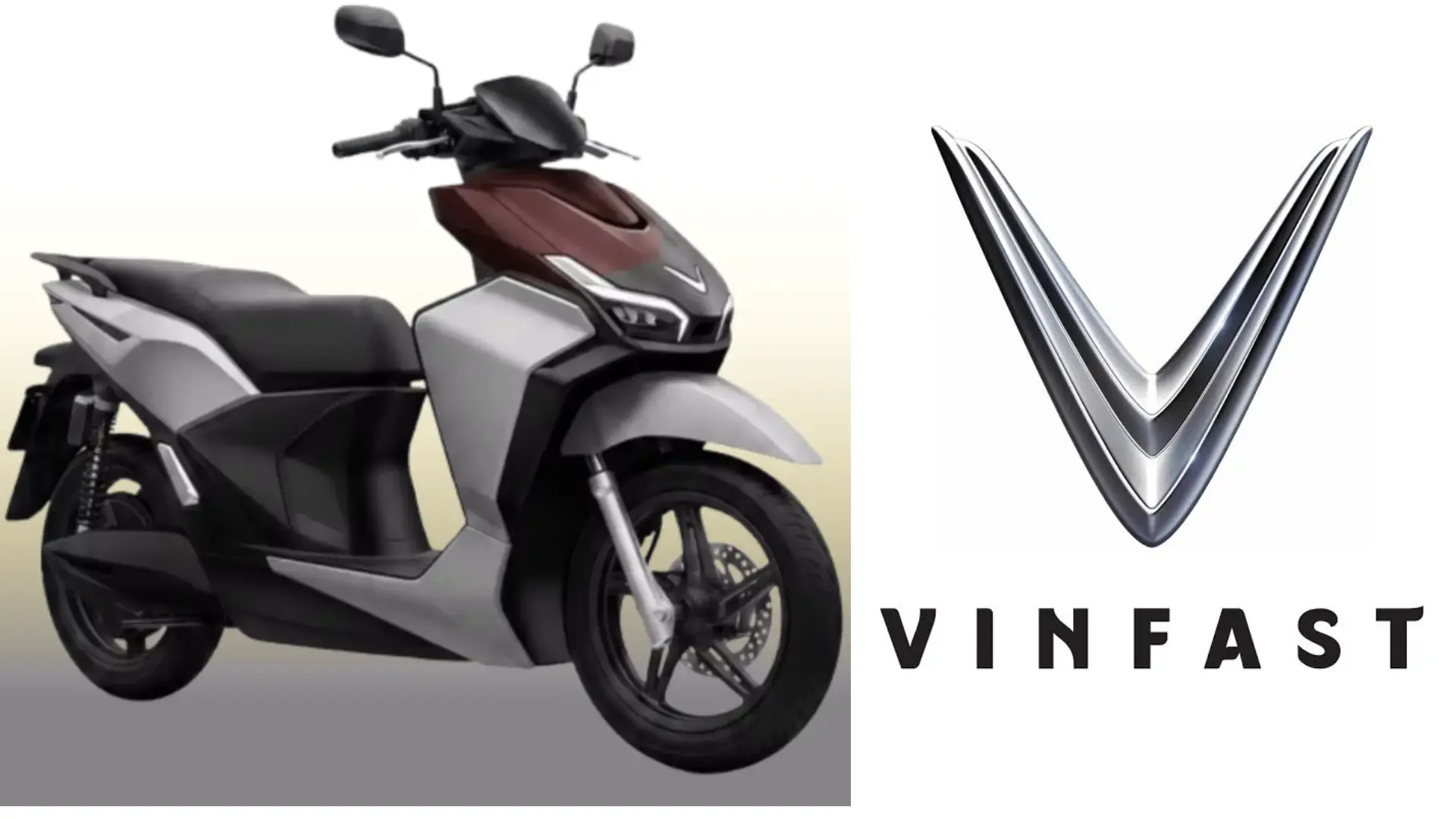
VinFast has started its search for electric two-wheeler dealer partners in India, adding to its growing sales and service network. The move comes as the company prepares to expand beyond electric cars in the Indian market.


Category:
Tag:
- VinFast
- Electric Scooters
VinFast has started inviting dealer partners for its upcoming electric two-wheeler business in India, adding a new layer to the Vietnamese EV maker’s expansion in the country. The move comes as the company builds out its wider retail and service network.
VinFast is inviting businesses to join its electric two-wheeler dealer network, with applications open until September 15, 2026. The development marks the company’s move towards expanding its India portfolio beyond electric cars and into the two-wheeler market.
The timing is notable because VinFast is already building a sizeable retail operation for its electric cars. Its official dealer programme currently invites businesses to become authorised VinFast dealers, while the company said in August that it had reached its 60th 3S dealership in India and was targeting 75 dealerships by the end of 2026.
Building the Network Early
For VinFast, the two-wheeler dealer search is not happening in isolation. The company has been putting the broader pieces of its India operation in place, including retail, service and dealer financing.
In August, VinFast partnered with Federal Bank to provide inventory financing to its authorised dealer network. The company has also previously signed similar financing agreements with Tata Capital and other financial institutions.
That makes the latest dealer search more significant than simply adding another showroom format. VinFast is building a distribution structure that could eventually support a much larger two-wheeler business.
A Crowded Market Awaits
The challenge is that VinFast will enter an Indian electric two-wheeler market that is already considerably more mature than it was a few years ago.
TVS Motor, Bajaj Auto, Ather Energy and Ola Electric have established products and retail networks, while newer manufacturers such as Ultraviolette are also expanding their presence. Ola, for example, has recently started opening dealer-operated stores of its own, showing how established EV players are also looking for new ways to expand distribution.
For VinFast, therefore, having a product will be only one part of the equation. The company will need to establish competitive pricing, dependable service and a retail network that gives customers confidence in a relatively new brand.
VinFast Already Has a Head Start
There is, however, one advantage VinFast can draw on: it is not starting its Indian retail operation from zero.
The company announced in 2025 that it had partnered with 13 dealer groups for 32 dealerships across 27 cities for its electric-car business. It has since expanded that network further.
That existing dealer infrastructure could give VinFast a base from which to develop its two-wheeler business. Whether the same partners eventually participate in electric two-wheelers, however, remains a separate question; the current dealer search is the clearest indication of the company's effort to build that network.
The Local Manufacturing Question
VinFast's two-wheeler plans also fit into its broader manufacturing strategy for India.
The company has announced an expansion of its Tamil Nadu facility to include electric buses and two-wheelers. Earlier, it had outlined India as an important manufacturing base for its wider regional ambitions.
This combination of manufacturing and distribution could become important if VinFast wants its two-wheelers to compete on price rather than remain a niche imported product.
But the company will have to balance that ambition with the realities of the Indian market, where buyers are highly price-sensitive and established manufacturers already benefit from extensive supply chains and service networks.
What VinFast Can Learn From India's EV Players
The experience of India's existing EV manufacturers offers a useful lesson: distribution is becoming a competitive advantage in its own right.
Ather has built its retail and charging ecosystem alongside its product portfolio. TVS and Bajaj have been able to use established automotive distribution networks to take electric scooters into more markets. Ola, after initially relying heavily on its own retail network, is now adding dealer-operated outlets as it looks to expand its reach.
VinFast is arriving at a stage where the importance of that network is already clear.
The company therefore has an opportunity to avoid one of the common challenges faced by new EV brands: launching a vehicle before establishing adequate sales and service support.
The Product Will Decide the Next Phase
The dealer hunt is an important step, but it will not determine whether VinFast succeeds in India's electric two-wheeler market.
That will depend on what it actually brings to the country, how it prices those products and how quickly it can establish dependable service support.
The company has already identified India as one of its priority markets for its global electric-scooter expansion, alongside countries including the Philippines, Indonesia, Thailand and Malaysia.
For now, the dealer recruitment shows that VinFast is moving from planning towards execution.
The next important development will be the products themselves. Once VinFast reveals its Indian electric two-wheelers, the market will be able to judge whether its growing retail infrastructure can support a serious challenge to the brands already competing for India's EV two-wheeler buyer.
To comment and participate in discussion Click Here
Trending Articles