Why India's Classic Cars and Bikes Are Being Reborn as Electric Icons
Instead of trying to sell middle-class families on cold, hyper-futuristic concepts, Indian automakers are tapping into something far more powerful— emotional memory.


Category:
Tag:
- Tata Sierra.ev
- Mahindra THAR.e
- Kinetic e-Luna
- Bajaj Chetak
Looking at how electric vehicles are marketed globally, there's a distinct trend, apart from maybe in Europe. In places like North America or China, EVs are often framed as high-tech gadgets. They tend to be sleek, minimalist, and almost aggressively futuristic.
In India, though, that approach frequently misses the mark. Buying a family car or scooter is rarely a purely rational transaction based on a spec sheet. It's a major financial milestone tied to family pride, collective approval, and long-term peace of mind.
Recognizing this, domestic manufacturers across both two-wheeler and four-wheeler segments are using the psychological bridge of wrapping brand-new electric powertrains inside trusted and nostalgic shapes of India's golden automotive era.
Why Nostalgia Convinces
When an unfamiliar brand asks an Indian household to spend a significant sum on an electric vehicle, the immediate reaction is caution. Concerns about battery longevity, brand survival, thermal safety, and resale value create friction.
Place those exact same battery components under a Tata Sierra, Bajaj Chetak, or Kinetic Luna badge, however, and the conversation in the showroom shifts completely. A badge that survived decades on Indian roads carries immediate credibility. It reassures buyers that the manufacturer understands local usage conditions. Drivers don't build emotional bonds with battery capacities or peak kilowatt outputs, but with personal history. A legacy badge taps straight into childhood memories of Sunday drives, school drop-offs, and road trips.
Four-Wheeler Legends
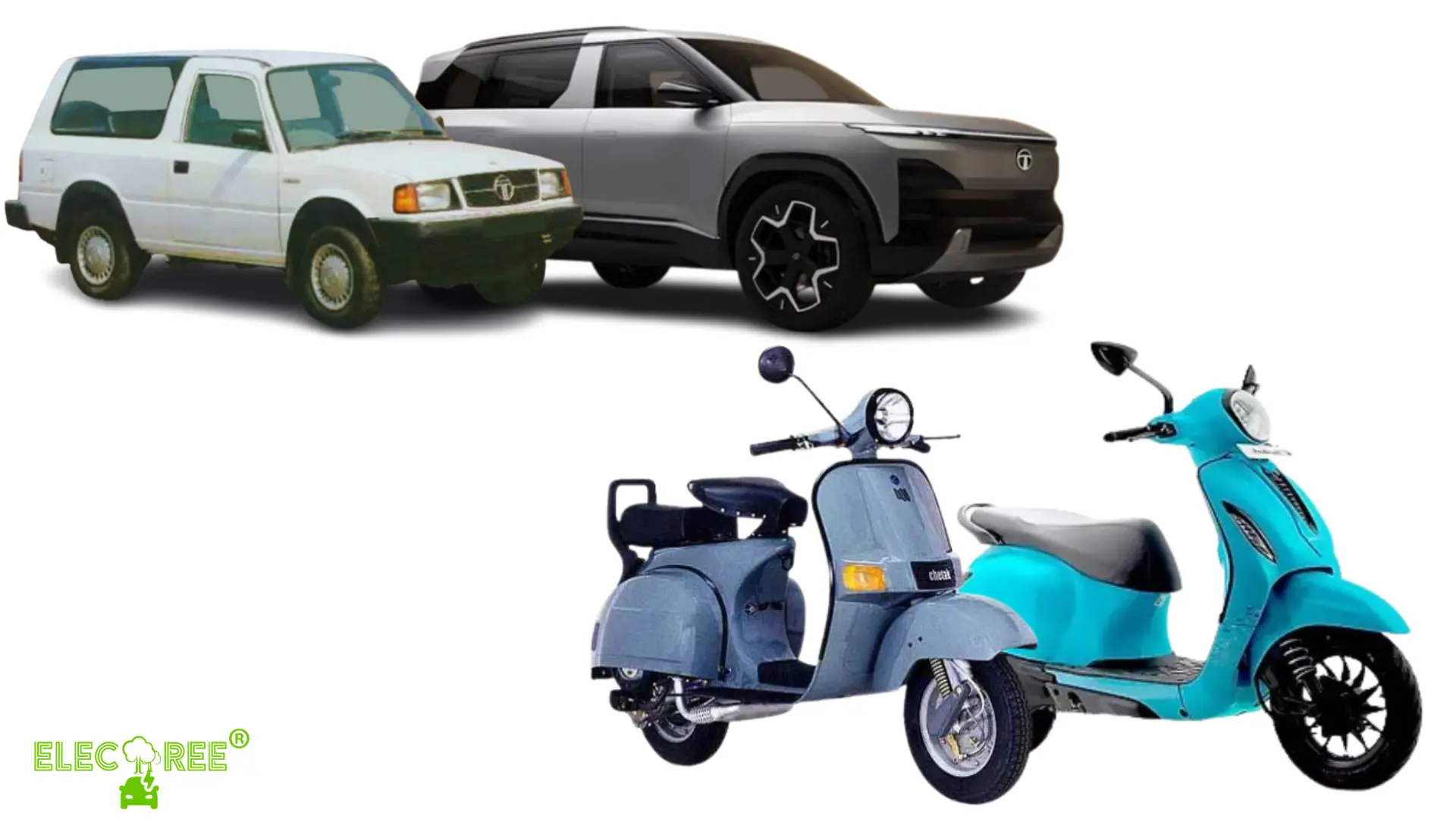
The Tata Sierra EV
When the original Tata Sierra launched in 1991, it became an instant aspirational icon with its distinctive alpine rear glass windows. It was the car every middle-class kid stared at on the highway.
By reviving the Sierra as an electric SUV, Tata is offering middle-aged buyers who couldn't afford the original in the 90s a chance to finally fulfill that childhood dream, now wrapped in a quiet, modern package. Plus, its boxy design naturally accommodates a large battery pack beneath a flat cabin floor without cramping rear-seat passenger space.
The Mahindra Thar.e
For generations, the Mahindra nameplate has represented raw and rugged SUVs. With the 5-door electric Thar.e concept, Mahindra is trying to prove that going electric doesn't mean sacrificing boxy mechanical presence.
Rather than chasing an ultra-aerodynamic teardrop shape, Mahindra kept the exposed door hinges, squared wheel arches, and tailgate-mounted spare wheel. For traditional SUV fans, an electric drivetrain delivers instant, low-end torque for off-roading without losing the tough character and design persona they love.
Two-Wheeler Icons
It is fair to argue that nostalgia is even more effective in the two-wheeler market, where emotional brand loyalty spans multiple generations.
Bajaj Chetak EV
For millions who grew up in the 80s and 90s, the original Chetak was an anchor of daily family life. When Bajaj entered the electric scooter market, they chose not to invent a new sub-brand, but brought back the Chetak badge with a neo-retro designed curved metal body. That solid metal feel provides a connection to the durable machines of the past, same as in the case for Royal Enflield in the ICE Motorcycle market.
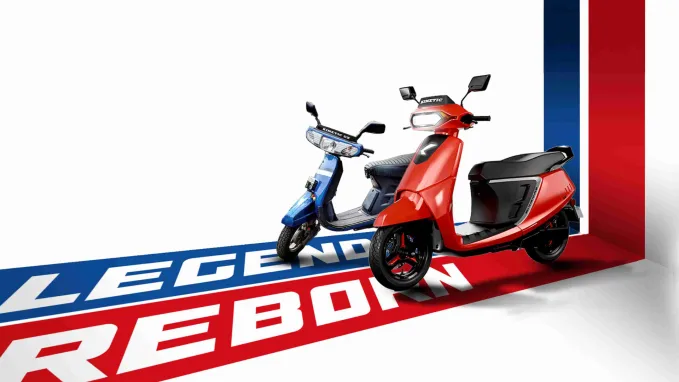
The Kinetic E-Luna
The original Kinetic Luna gave affordable mobility to small business owners, farmers, and delivery workers. The new Kinetic Green E-Luna targets that same utilitarian spirit. With its simple tubular frame and accessible price point, it reassures buyers that electric mobility isn't just for metro commuters, but can also be a practical, hardworking tool for everyday business.
The Bottom Line
The return of iconic car and bike badges across India is not a lazy design trend but a thoughtful strategy rooted in emotional marketing.
By dressing up advanced battery technology in familiar, beloved designs, Indian automakers have accomplished making the transition to electric mobility feel less like a leap into the scary unknown and more like a welcome return home.
Trending Articles
Recent Articles
India Clears ₹1.86 Lakh Crore Green Energy Corridor Plan With ₹50,000 Crore for Battery Storage
Porsche Cayenne Electric Launched in India at ₹1.77 Crore: 642 Km Range, 400 kW Charging and More
Government's CAFE III Norms Give EVs a 3x Credit, PHEVs 2.5x
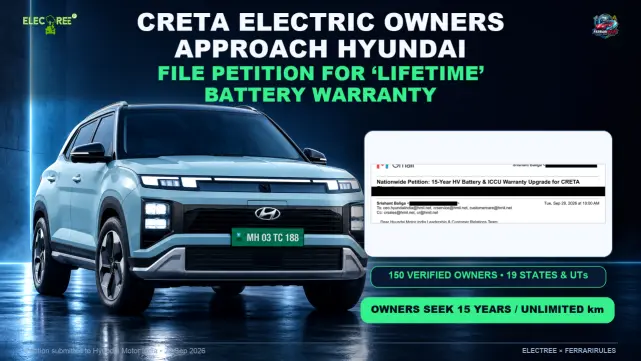
Creta Electric Owners Approach Hyundai - File Petition for Lifetime Battery Warranty