
What's Next for Royal Enfield's Electric Roadmap After the Flying Flea C6? Is the Indian motorcyle market ready for an EV conversion?
After successfully launching it's EV sub-brand, Flying Flea, Royal Enfield is set to expand its EV horizons in the coming years.


Category:
Tag:
- Royal Enfield
- Flying Flea
- Himalayan EV
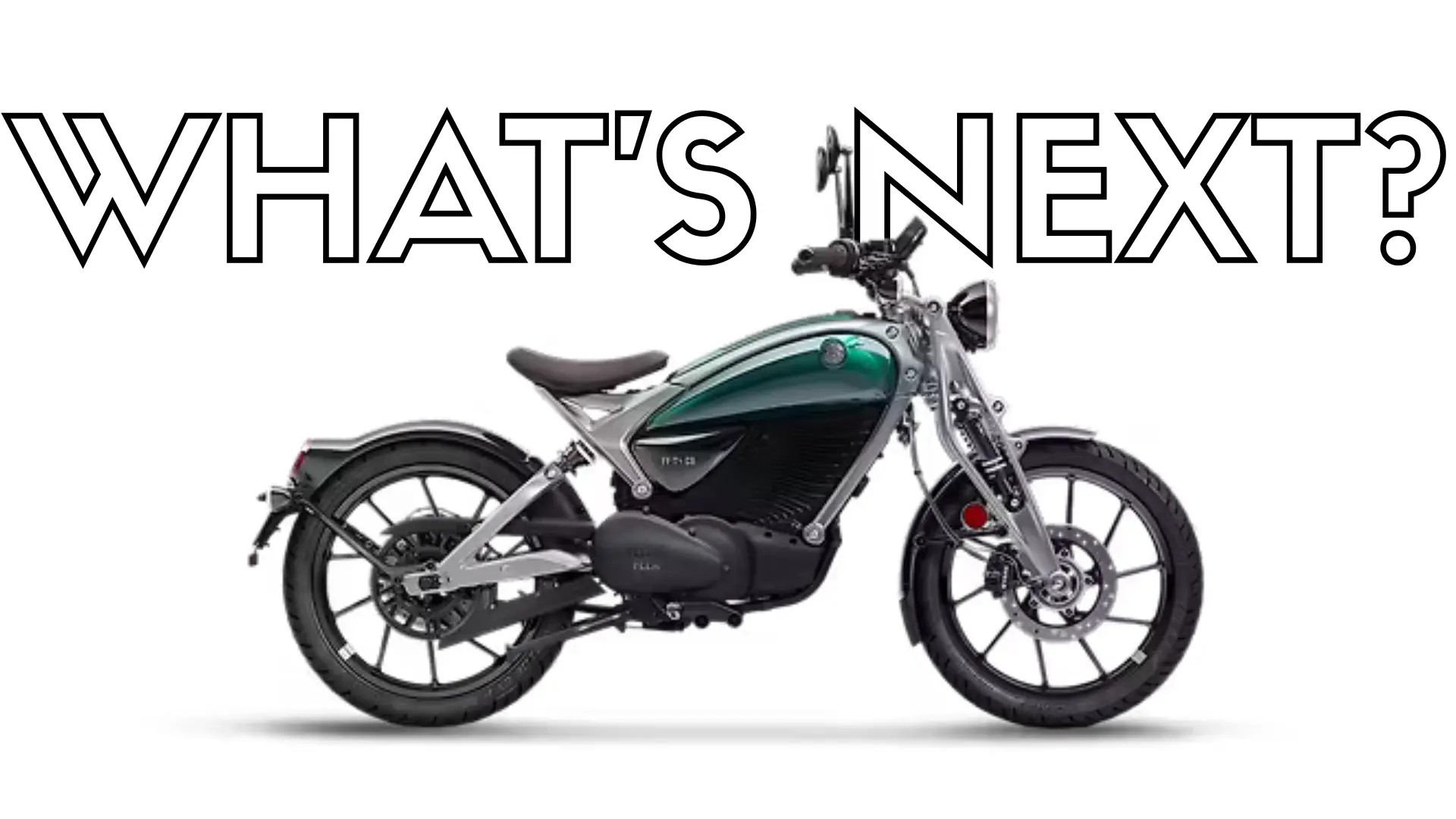
Royal Enfield officially entered the zero-emissions era with the launch of its dedicated electric sub-brand and model, the Flying Flea C6. Inspired by the WWII era Flying Flea, the C6 combines 1940s neo-retro aesthetics, accentuated by a forged aluminum girder fork setup, along with modern electric performance. It has received notable praise from journalists for its nimble, agile and city friendly nature.
The Debut Platform
Engineered on Royal Enfield’s modular L-platform, the C6 serves as a lightweight, tech-focused urban roadster designed to navigate through congested city streets with ease and look unique, to say the least, while doing it. The motorcycle weighs just 124 kg, ironically making the first EV Royal Enfield the lightest modern Royal Enfield.
It features a permanent magnet synchronous motor delivering 20.65 bhp and 60 Nm of instant torque, enabling a 0–60 km/h acceleration time of 3.7 seconds and a top speed capped at 115 km/h.
Providing electricity to the motor is a 3.91 kWh battery encased in a weight-saving, finned magnesium housing.
This helps deliver a claimed IDC range of 154km per charge, and using the on-board 2.2kW charger, the bike can charge up from 20-80% within approximately 65 minutes.
The C6 is available as both, a standard purchase at ₹2.79 lakh (ex-showroom), and as a BaaS model-purchase (Battery as a Service).
What's Coming Next in the Flying Flea Pipeline?
Following the C6 roadster, Royal Enfield is expanding the L-platform into specialized riding formats and dedicated retail infrastructure:
Flying Flea S6 (Scrambler)
Expected Timeline: Late 2026 / Early 2027
The Concept: Sharing the core 15.4 kW powertrain and modular frame with the C6, the S6 adopts a scrambler-inspired crossover design. Built to tackle rough city roads and light trails, it features longer suspension travel, wire-spoke style wheels, raised handlebars, and dual-purpose block-pattern tires.
"Flying Flea Gallery" Retail Hubs
Rollout Strategy: Phased Metro Expansion
The Concept: Instead of placing electric models alongside traditional 350cc–650cc petrol models, Royal Enfield is launching standalone Flying Flea Galleries in key metro markets. These boutique spaces focus exclusively on digital product demos, custom apparel, software updates, and battery subscription management.
The Electric Himalayan
The Electric Himalayan or the Him-E as it is lovingly called, has been spotted testing various times at high altitudes and Royal Enfield itself has revealed a few pictures of the test vehicle along with updates. However, Royal Enfield leadership has explicitly clarified that the Electric Himalayan (Him-E) is strictly an experimental laboratory testbed and is not intended for a commercial public launch in the near future.
- The Reality Check: Due to current battery weight and energy density limitations, Royal Enfield believes the global market is not yet ready for a heavy electric touring adventure motorcycle.
- The Testing Purpose: Tested under extreme conditions across high-altitude Himalayan passes, the Him-E prototype serves as an active research platform for software algorithms, battery thermal management under cold-temperature swings, and structural battery stress.
- Stark Future Collaboration: The testbed integrates high-performance powertrain technology developed in partnership with Spanish electric motocross specialist Stark Future, in which Royal Enfield owns 10.35% equity stake.
Beyond the Him-E
While an adventure-touring EV remains off commercial showroom floors, the technology, thermal management logic, and structural battery engineering perfected on the Him-E testbed will feed directly into production platforms much further in the future. The most speculated of which are:
1. Classic/Bullet-Style Heritage EV Roadster
Using the high-power powertrain and BMS logic refined on the Him-E, Royal Enfield is positioned to develop an electric equivalent to its iconic Classic / Bullet family. A retro-styled EV roadster with standard telescopic forks and traditional dual rear shocks would offer higher urban battery capacity while preserving classic Royal Enfield proportions.
2. Factory-Custom "Bobber" or Urban Cruiser
The modular nature of the L-platform allows for lower seat heights, forward-set footpegs, and stretched wheelbases. A single-seater electric bobber would serve as a stylish urban cruiser, competing in the premium lifestyle EV space.
3. Stark-Co-Developed Performance Dual-Sport
Leveraging Eicher Motors' strategic stake in Stark Future, Royal Enfield could eventually introduce lightweight, high-output electric dual-sports or street-tracker models focused on agility and instant torque rather than heavy touring.
Is the Indian Market Ready for Electric Motorcycles?
While electric two-wheelers crossed 2 lakh monthly registrations in India, accounting for over 11% of total two-wheeler sales, the growth is heavily skewed toward electric scooters. Electric scooters command over 88% of E2W sales, while electric motorcycles account for just ~11.4% of the market.
Why Electric Motorcycles Face Adoption Headwinds in India:
The Utility vs. Emotion Factor: Scooters are purchased primarily for short-distance urban utility, flat-floorboard practicality, and running-cost savings. Motorcycles, especially in the 150cc+ or premium retro segments, are emotional purchases where highway capability, gear-shifting engagement, and exhaust note play major roles.
Range Anxiety on Intercity Routes: Motorcycle riders in India frequently undertake longer suburban and intercity trips compared to scooter commuters. Given the current density of public fast chargers outside major metros, highway range limits remain a key purchase barrier.
Price Premium & Lack of Under-Seat Storage: Battery packs large enough to offer genuine 150+ km highway range push prices up significantly. Furthermore, unlike scooters, motorcycles lack step-through convenience and under-seat storage, removing key everyday practicality benefits.
How does RE Plan to Tackle This?
1. "RE-BALANCE" Strategy of Complementing, Not Replacing ICE
Under its RE-BALANCE framework, parent firm Eicher Motors explicitly acknowledges that internal combustion engine (ICE) motorcycles will remain the core driver of volume and long-distance touring in India for the foreseeable future. Flying Flea is positioned as a complementary urban sub-brand rather than a direct replacement for 350cc–650cc petrol icons like the Classic, Bullet, or Interceptor.
2. Tackling the Price & Practicality Barrier with BaaS
To address the steep price premium that usually deters Indian motorcycle buyers from switching to electric, Royal Enfield introduced a Battery-as-a-Service (BaaS) model. By decoupling the battery pack cost from the chassis, the Flying Flea C6’s upfront purchase price drops from ₹2.79 lakh to ₹1.99 lakh (ex-showroom), which directly targets the premium 200cc–250cc petrol buyers who want a lightweight, urban-centric second bike for daily city transit.
3. Keeping High-Stress Concepts as Testbeds
By formally declaring the Electric Himalayan (Him-E) an experimental laboratory testbed rather than a production model, Royal Enfield avoids pushing an expensive, heavy adventure touring EV to market before battery energy density and national fast-charging corridors can support it.
Takeaway
India is not yet ready for a full-scale replacement of mid-weight petrol motorcycles, but it is ready for stylish, lightweight, city-focused electric scooters and maybe even roadsters. By building the Flying Flea brand for urban lifestyle riders while preserving its core petrol lineup and testing extreme EV tech behind closed doors, Royal Enfield has drafted a realistic blueprint for how heritage motorcycle manufacturers can navigate the electric transition without alienating their core audience.
Trending Articles
Recent Articles

India Clears ₹1.86 Lakh Crore Green Energy Corridor Plan With ₹50,000 Crore for Battery Storage
Porsche Cayenne Electric Launched in India at ₹1.77 Crore: 642 Km Range, 400 kW Charging and More
Government's CAFE III Norms Give EVs a 3x Credit, PHEVs 2.5x
Creta Electric Owners Approach Hyundai - File Petition for Lifetime Battery Warranty