
Rising Fuel Prices Accelerate EV Shift in India
Rising fuel prices are driving a noticeable surge in EV demand across India. Vahan Dashboard data for April-May 2026 shows passenger EV registrations increasing exponentially in May, with major automakers like Maruti Suzuki and Mercedes-Benz facing delivery delays due to increased customer interest. The article analyses how fuel cost economics is accelerating the shift to electric vehicles.


Category:
Tag:
- EV Demand Rising Fuel Prices Vahan Data India EV Sales EV Adoption India Maruti Suzuki EV Electric Vehicle Trend
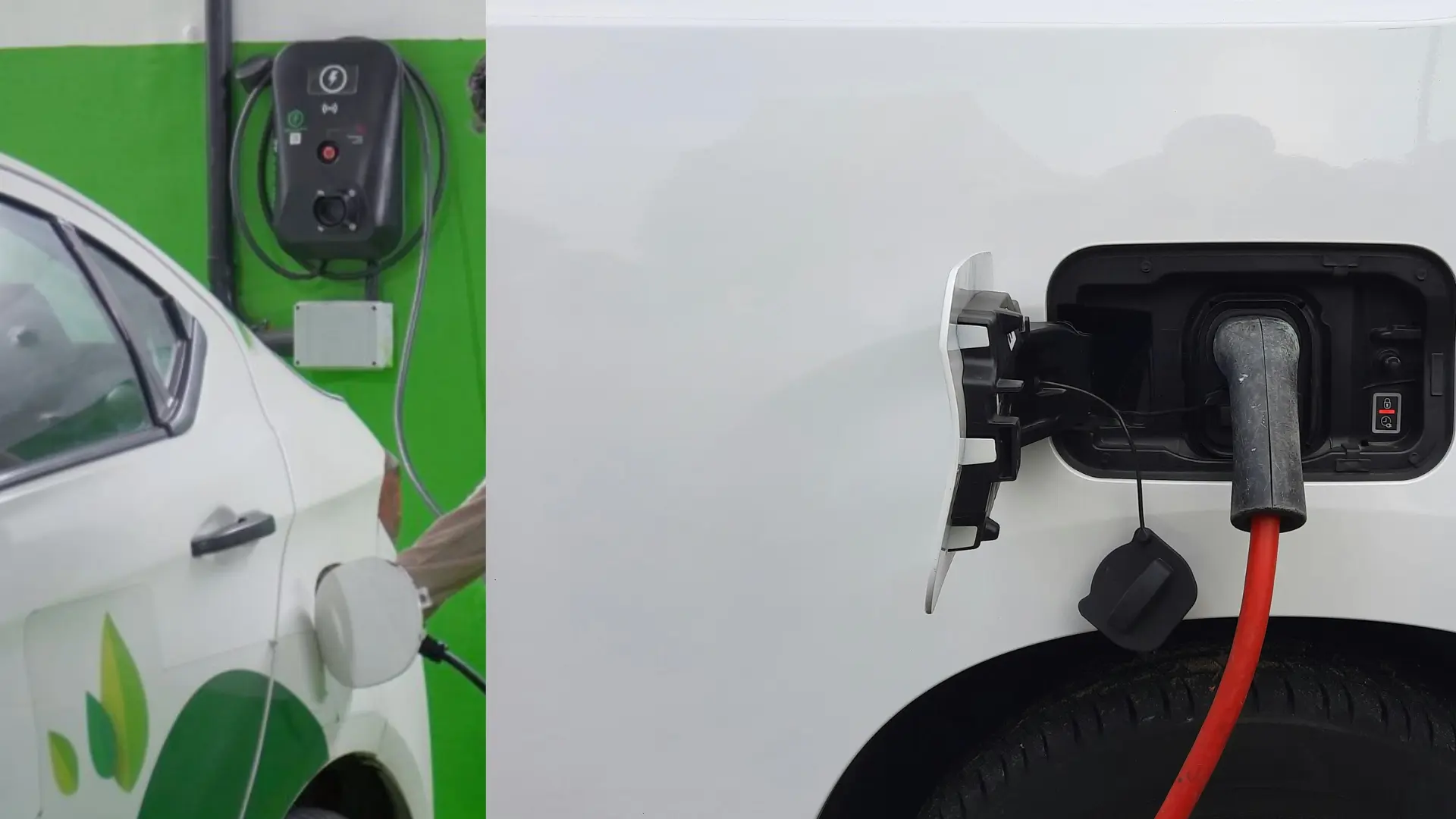
Rising fuel prices across the country are giving a significant push to electric vehicle adoption in India. As petrol and diesel costs continue to climb due to global factors, buyers are increasingly turning to EVs for lower running costs. Official data from the Vahan Dashboard clearly reflects this trend, with a noticeable jump in electric passenger vehicle registrations during April and May 2026.
According to Vahan registrations, passenger EV registrations stood at 25,375 units in April 2026 and increased to 27,224 units in May 2026. This represents healthy month-on-month growth and a strong year-on-year increase of over 80% in May compared to the same month last year. The data underscores how fuel price sensitivity is becoming a major driver for EV demand, even beyond government incentives.
OEMs Struggling to Keep Up
Several automakers are now facing delivery delays as order books fill up rapidly. Maruti Suzuki, which has entered the EV segment with renewed aggression, saw its electric vehicle registrations cross 1,631 units in May 2026. Maruti Suzuki, which has entered the passenger EV segment with the launch of the eVitara, is seeing particularly strong interest. As per Autocar Professional, Partho Banerjee, a senior executive at Maruti Suzuki, was quoted saying, “Customer enquiries for our electric offerings have nearly doubled in recent weeks as fuel costs continue to climb. We are working hard to scale production to meet this unexpected surge.”
Mercedes-Benz India recorded 212 EV registrations in May 2026, a sharp jump from previous months. The company’s recently launched electric CLA is seeing much higher demand than anticipated, leading Mercedes to temporarily stop taking fresh bookings for the model. As per the leadership and executive interviews with the management at Mercedes-Benz India, Autocar professional noted that “the shift towards electric is accelerating faster than anticipated, especially among customers concerned about long-term ownership costs.”
BMW also witnessed strong performance with 363 EV registrations in May. The BMW iX1 LWB continues to be the best-seller for the brand in the electric segment, reflecting solid demand for its luxury electric SUVs.
Tata Motors continues to dominate the passenger EV segment with over 10,587 registrations in May, while brands like Mahindra, are also benefitting from the current wave of interest. However, this sharp rise in demand is exposing a critical supply-side bottleneck. Even as buyers show strong interest driven by high fuel prices, manufacturers are finding it difficult to scale production quickly due to battery cell shortages, global supply chain constraints, and current manufacturing capacity limits. If this demand-supply gap persists, it could lead to longer waiting periods and may dampen the enthusiasm of fence-sitting buyers.
Why Buyers Are Making the Switch Now
The immediate trigger is the sharp increase in fuel prices, which has made the total cost of ownership (TCO) of petrol and diesel vehicles less attractive. Many buyers who were earlier hesitant about EVs due to higher upfront costs are now fast-tracking their decisions, driven by potential savings on daily commuting and the peace of mind of lower maintenance.
This trend is particularly visible in major cities and Tier-1 & Tier-2 markets where daily driving distances are higher and fuel expenses form a noticeable part of household budgets.
Broader Implications for the Industry
This fuel-price-driven surge highlights an important reality: while policy support through schemes like PM E-DRIVE and state-level incentives remain crucial, real-world economics often play a bigger role in mass adoption. The current situation also puts pressure on manufacturers to ramp up production capacity and resolve supply chain bottlenecks quickly.
For the industry, this is a positive signal but also a test of preparedness. If manufacturers fail to meet the rising demand efficiently, it could lead to longer waiting periods and some customers potentially delaying their purchases.
Looking ahead, sustained high fuel prices could help India move closer to its EV penetration targets. However, long-term success will still depend on improving charging infrastructure, bringing down battery costs through localisation, and maintaining policy stability.
Sources:
- Vahan Dashboard (Parivahan.gov.in) – Official vehicle registration data as on june 14,2026 for April and May 2026 (Ministry of Road Transport and Highways)
- Ministry of Heavy Industries & PIB updates on central EV schemes
- Autocar Professional
To comment and participate in discussion Click Here
Recent Articles

Trending Articles
Kerala Makes EVs More Affordable: Revised Road Tax Structure to Accelerate Adoption

India Car Sales by Fuel Type — March 2026: EV Share Hits New High, CNG Surges, Petrol Loses Ground
No Fire Safety Certificate Will Be Declined Over EV Chargers, Says Haryana Fire Department
Haryana Releases Draft Fire Safety Guidelines for EV Charging