
Omega Seiki Mobility Begins Development of Accessible EV for Persons with Disabilities
Omega Seiki Mobility has started work on an accessible EV, with accessibility, safety, comfort and ease of use guiding the development process. The company plans to involve users and accessibility experts as the vehicle takes shape.


Category:
Tag:
- Electric Vehicles
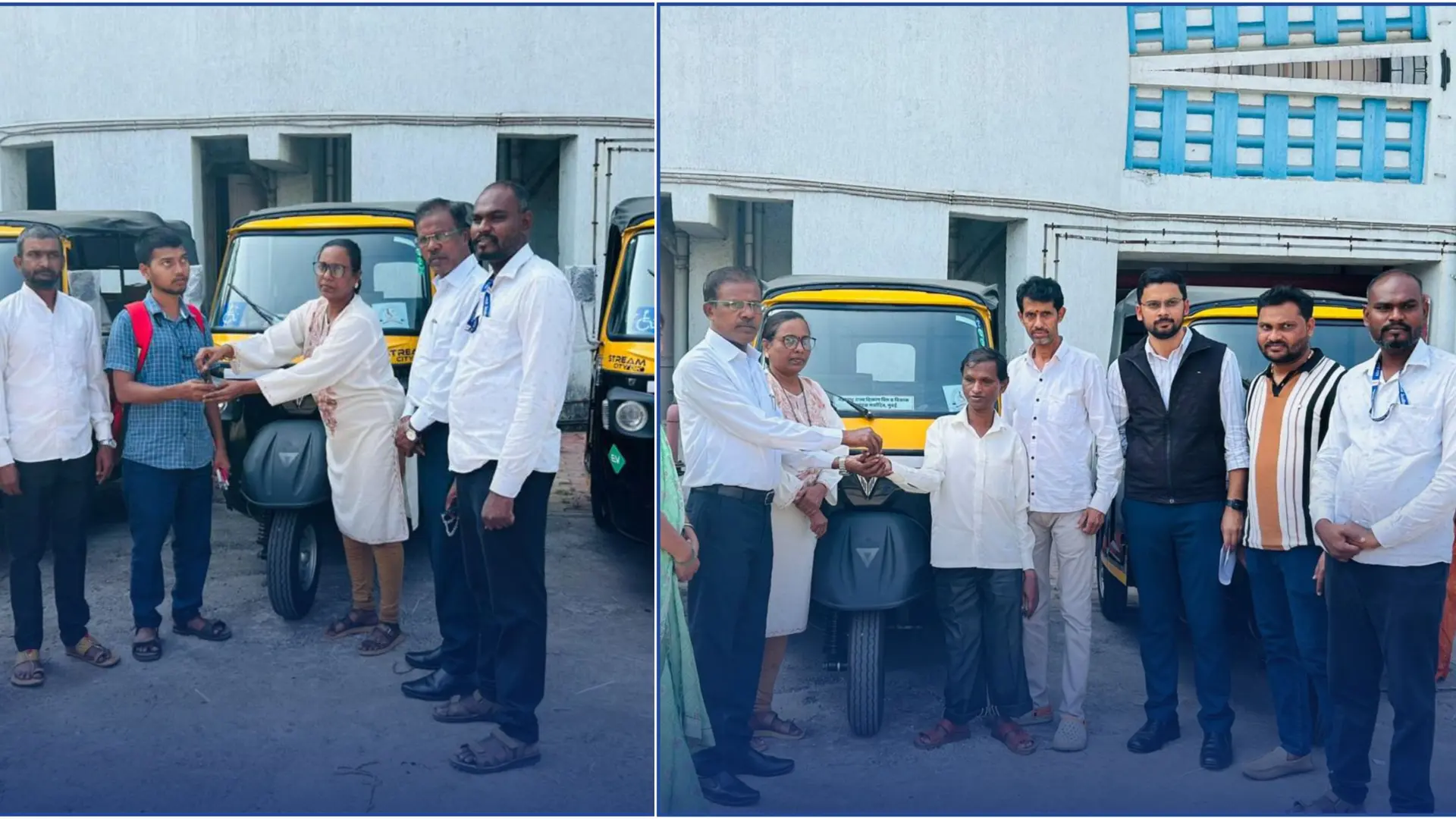
Omega Seiki Mobility has started work on an electric vehicle designed around the mobility requirements of persons with disabilities, putting accessibility at the centre of the development process.
Omega Seiki Mobility (OSM) has begun the design and development of a new electric vehicle specifically intended for persons with disabilities. The company says the project will follow a human-centric approach, with accessibility, safety, comfort, convenience and ease of use forming the key areas of development.
The announcement is currently about starting development, not launching a production vehicle. OSM has not yet disclosed the vehicle's body type, battery capacity, range, motor specifications, seating configuration, price or commercial launch timeline.
Designing the EV around its users
OSM says it plans to involve persons with disabilities, accessibility experts and other relevant stakeholders as the vehicle takes shape. The intention is to bring practical user requirements into the design process rather than finalising the vehicle first and addressing accessibility later.
That distinction could be important for the eventual product. Accessibility in a vehicle can involve several aspects of everyday use, including getting in and out, operating controls, seating, visibility and the space available inside the vehicle.
However, OSM has not confirmed specific accessibility equipment at this stage. Features such as wheelchair ramps, lifts, hand-operated controls or specialised seating should therefore not be considered part of the vehicle's specifications until the company provides those details.
OSM brings experience from electric commercial mobility
The project also comes from a company that already operates across India's electric mobility market. OSM is part of the Anglian Omega Network and its official website lists electric three-wheelers for both cargo and passenger applications. Its portfolio includes the Rage+ and Stream ranges.
The company also has electric vehicles across other categories listed on its website. However, OSM has not confirmed whether the new accessible EV will use an existing platform or represent an entirely new vehicle architecture.
That makes the eventual vehicle format one of the key unanswered questions. The company has not said whether it will be a three-wheeler, four-wheeler or another form of electric vehicle.
The next step is translating requirements into engineering
The user consultation planned by OSM will be particularly relevant as development progresses. Different disabilities can create very different mobility requirements, so a single accessibility solution may not work equally well for every user.
The challenge will be to translate those requirements into a vehicle that is not only accessible, but also safe, practical and suitable for everyday use.
This is also where the project will need to move beyond its initial concept. A production vehicle will eventually have to address technical specifications, regulatory requirements, charging, service support and cost alongside accessibility.
Specifications are still to be announced
For now, OSM has not provided a timeline for a prototype or commercial launch. The company has also not announced the battery or charging system, performance figures, dimensions or pricing.
That means the project's next meaningful milestone will likely be a clearer look at the vehicle itself and how the company has incorporated user feedback into its design.
OSM's announcement describes the project as a domestically developed mobility solution and says the company intends to use its existing EV engineering and manufacturing experience.
A different question for India's EV transition
India's EV conversation has largely focused on electrification, charging infrastructure, battery technology, affordability and manufacturing. Accessibility introduces another dimension: who can actually use the vehicles being developed for the electric mobility transition?
For OSM, the immediate task is to turn that question into a production-ready vehicle.
The announcement is therefore best viewed as the start of an accessible-EV development programme, rather than a new model launch. The eventual vehicle's design, usability, safety, price and availability will determine how far the initiative can take accessible electric mobility in India.
Recent Articles
Trending Articles
Kerala Makes EVs More Affordable: Revised Road Tax Structure to Accelerate Adoption
India Car Sales by Fuel Type — March 2026: EV Share Hits New High, CNG Surges, Petrol Loses Ground
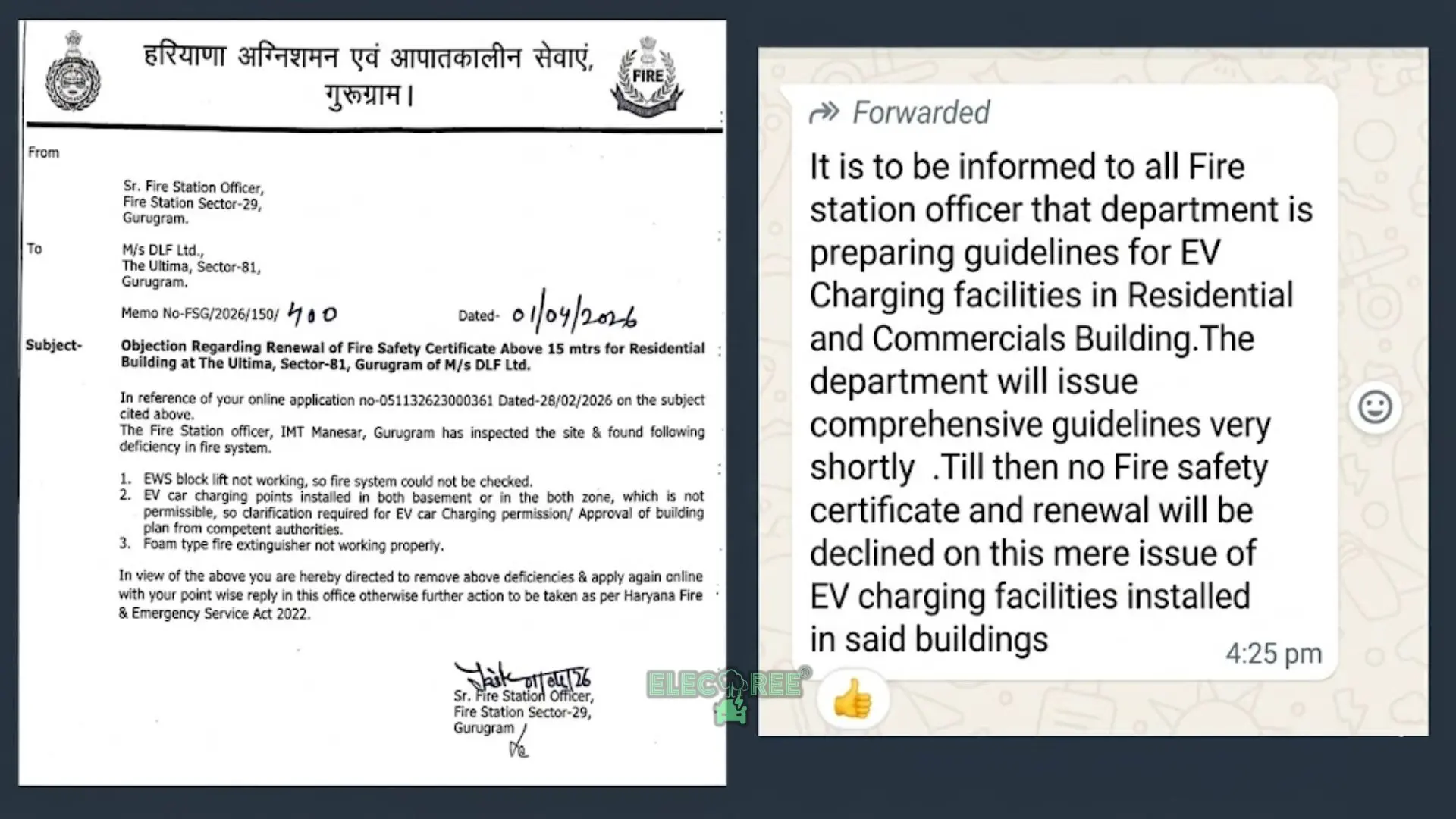
No Fire Safety Certificate Will Be Declined Over EV Chargers, Says Haryana Fire Department
Haryana Releases Draft Fire Safety Guidelines for EV Charging