
Delhi Crosses 2026 EV Charging Target Three Months Early, Plans 32,062 Points by 2029
Delhi installed 14,225 EV charging points by September 2026, crossing its CAQM-set annual target three months early. The capital aims to expand the network to 32,062 points by 2029, alongside dedicated charging infrastructure for electric trucks.



Category:
Tag:
- Delhi EV charging infrastructure
Delhi installed 14,225 EV charging points by September 2026, exceeding its CAQM-set target of 13,913 for December. The next phase includes dedicated electric-truck charging infrastructure and expansion under the PM E-DRIVE scheme.
Delhi has crossed its 2026 electric vehicle (EV) charging infrastructure target three months ahead of schedule, with 14,225 charging points installed as of September 30, 2026. The figure exceeds the 13,913-point target set by the Commission for Air Quality Management (CAQM) for December 2026.
According to government officials, Delhi added 5,312 charging points between January and September. The city is now targeting 32,062 charging points by December 2029, requiring an additional 17,837 points over the September 2026 base.
However, the expansion raises a larger question: whether the growing number of charging points will translate into accessible and reliable infrastructure for EV owners.
Electric trucks get dedicated charging infrastructure
The Ministry of Heavy Industries has sanctioned ₹8.9 crore for setting up 10 public charging stations dedicated to electric trucks in Delhi. The proposed facilities will have 20 chargers rated at 360 kW, using the CCS-II charging standard.
High-capacity charging is important for commercial vehicles, where charging time directly affects operating schedules and vehicle utilisation. However, the effectiveness of these facilities will also depend on suitable locations and adequate electricity connections.
PM E-DRIVE: 180 sites reassessed
Delhi is also progressing with charging infrastructure projects under the Centre's PM E-DRIVE scheme.
Of the 382 charging sites approved for the capital, 180 have been reassessed as suitable for composite chargers with capacities of 12 kW, 60 kW and 120 kW, according to Delhi Power Minister Ashish Sood.
Details of these sites were shared with the Ministry of Heavy Industries on October 8. Tendering and approval processes are underway through Delhi Transco Limited. The Centre has sanctioned ₹127.16 crore in subsidies for the 382 approved sites.
The distinction between approved sites and operational charging facilities remains important, as these projects still need to progress through tendering, installation and commissioning.
EV policy timelines will test infrastructure readiness
The charging expansion comes alongside the implementation of Delhi's EV Policy 2026.
From January 1, 2027, new registrations of three-wheelers and N1-category goods vehicles are scheduled to be restricted to electric vehicles. A similar requirement for two-wheelers is scheduled to take effect from April 1, 2028.
These timelines will increase the importance of accessible charging infrastructure, particularly for commercial fleets and delivery operators that depend on regular vehicle utilisation.
For private EV owners, access to charging near residential areas, workplaces and public parking locations will remain equally important, especially for those living in apartments without private charging facilities.
More charging points, but are they usable?
Delhi's achievement marks progress in infrastructure deployment, but the number of installed charging points alone does not establish how effectively the network serves EV users.
Operational availability, geographical distribution, charging speeds and electricity supply will determine the usefulness of the expanded network. A charging point that is inaccessible or non-functional cannot provide the same benefit as a reliably operating facility.
As Delhi works towards its 2029 target, the challenge will be to expand infrastructure while ensuring that it meets the requirements of private EV owners, commercial fleets and heavier electric vehicles.
Crossing the 2026 target is an important milestone. The real test will be whether Delhi can turn its growing charging network into reliable infrastructure that supports the city's wider transition to electric mobility.
To comment and participate in discussion Click Here
Trending Articles



Recent Articles
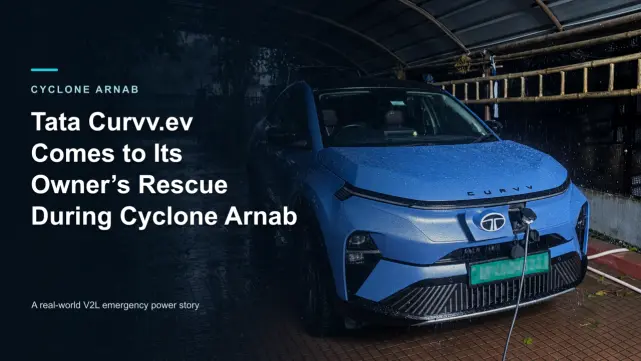
“I Was Saved by My EV”: Tata Curvv.ev Comes to Its Owner’s Rescue During Cyclone Arnab
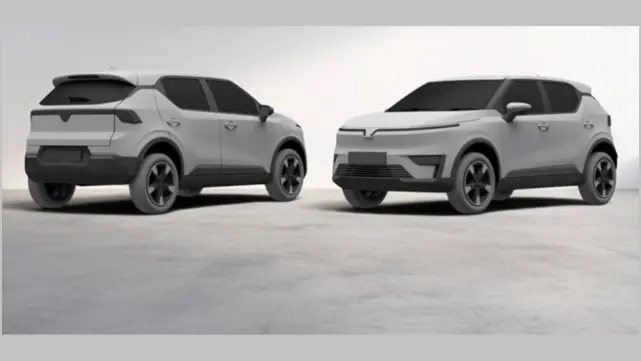
VinFast VF5 Facelift Design Patent Surfaces in India, Hints at Smaller Electric SUV
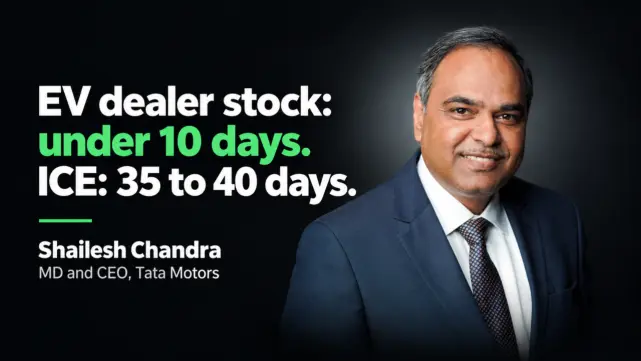
Tata Motors CEO Says EV Demand Has Crossed 10%, Dealer Stock Under 10 Days

Ather Expands Production Capacity to 11.4 Lakh Units as Q2 Volumes Rise 42%