
3 GWh Battery Plant Opens in Gujarat as India Hits 1.5 Million H1 EV Sales
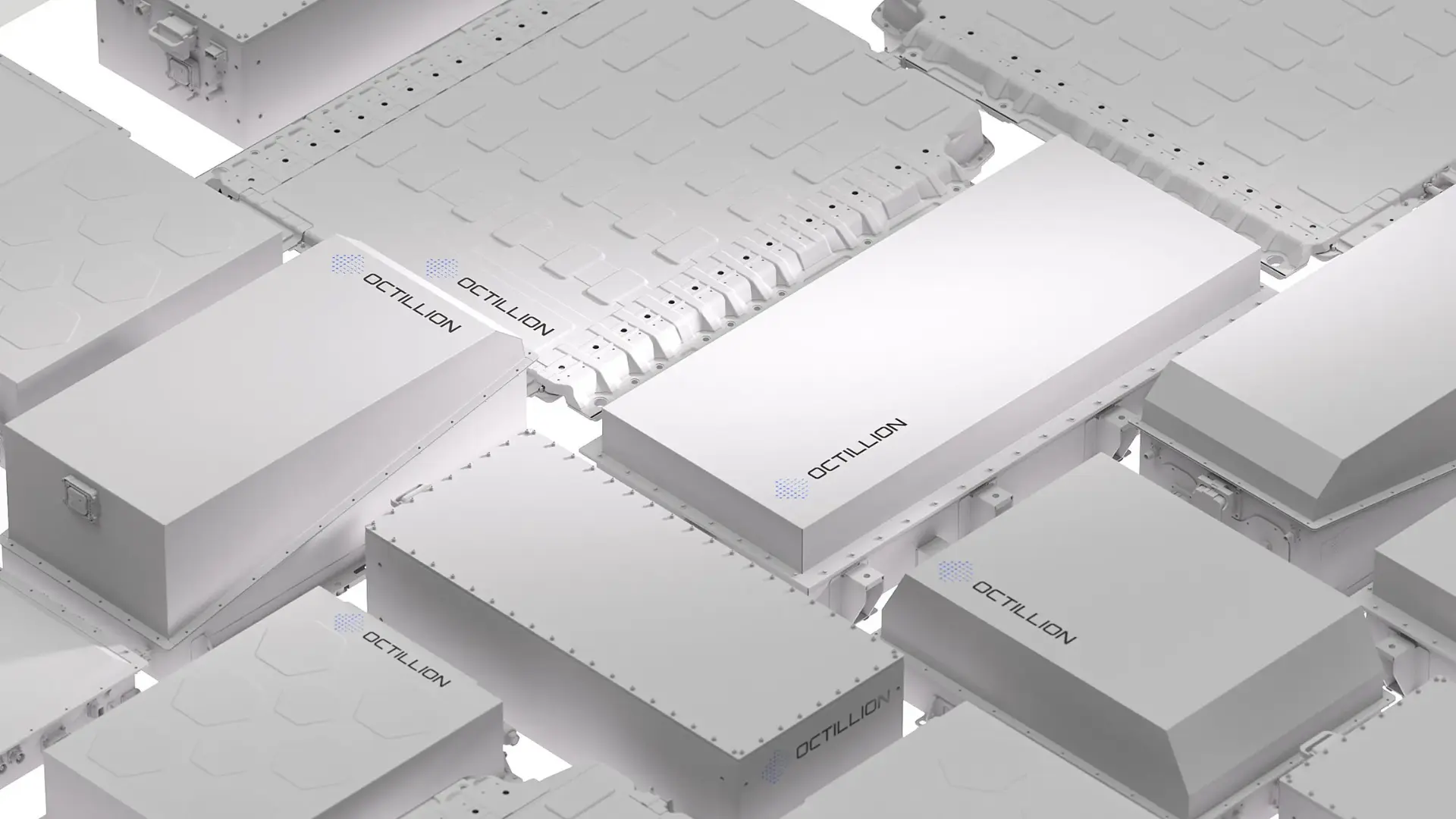
Tier-1 supplier Octillion Power Systems has commissioned a 3 GWh battery plant in Halol, Gujarat, in under eight months. Coming as H1 2026 EV registrations cross 1.54 million units, this rapid expansion highlights how localized manufacturing might be on the way to solve the industry's biggest bottleneck.


Category:
Tag:
From Empty Shell to 3 GWh Factory in Under Eight Months
Speed has historically been a primary challenge for industrial battery manufacturing. Setting up high-voltage battery assembly lines typically requires 18 to 24 months of cleanroom preparation, precision tooling installation, and safety compliance testing.
Octillion Power Systems bypassed those traditional delays at its new site in Halol, Gujarat.
By retrofitting an existing 13,000-square-meter industrial structure instead of starting greenfield construction from scratch, Octillion brought the facility online in under eight months. At peak output, the plant will produce more than 48,000 battery packs every year, contributing over 3 GWh of energy storage capacity directly to Western India's automotive manufacturing cluster.
Octillion's Combined 9 GWh Footprint in India
The Halol facility is Octillion’s third battery manufacturing hub in India, joining two established facilities in Pune, Maharashtra.
Together, these three facilities elevate Octillion’s total domestic manufacturing capacity to approximately 9 GWh, capable of delivering over 150,000 battery systems annually across passenger cars, commercial trucks, and public transport buses.
Why the Gujarat Location Matters
Gujarat has rapidly evolved into one of India’s most important automotive manufacturing centers. By placing a 3 GWh battery plant in Halol, Octillion positions its supply chain adjacent to major vehicle assembly plants. This proximity reduces freight costs for automakers, eliminates long transit delays, and allows engineers to integrate customized Battery Management Systems (BMS) directly on OEM factory campuses.
The Market Context
This expansion comes as consumer adoption reaches historic levels. Market data reveals that India’s total EV sales jumped 43% year-over-year in the first half of 2026, topping 1.54 million registered units. Crucially, overall electric vehicle penetration across all transport categories has crossed 11% of total vehicle sales for the first time. Falling LFP cell costs and a wave of new crossover launches drove a record volume of private buyers into showrooms.
Driven by federal procurement schemes like PM E-Bus Sewa and PM E-DRIVE, public transport fleets added thousands of e-buses. June 2026 marked the single highest monthly e-bus allocation on record, with over 4,200 units deployed. Heavy commercial transport, historically a slow segment to electrify, recorded a surge as logistics fleets adopted battery-electric trucks to cut operational fuel expenses.
De-Risking the Supply Chain
Building battery packs in tropical climates requires specialized local engineering. Ambient summer temperatures in India frequently exceed 45°C, making off-the-shelf Western or East Asian thermal management designs prone to overheating and degradation.
At the Halol plant, Octillion integrates localized thermal modeling and standardized manufacturing processes directly into the battery assembly line. By testing battery packs under simulated heat and humidity cycles, engineers ensure that high-voltage packs resist thermal runaway without consuming excess vehicle power for cooling.
The push for local battery manufacturing is supported by policy shifts. Under the government's National Critical Minerals Mission, India has eliminated customs duties on 25 essential battery minerals including lithium, cobalt, and nickel. Upcoming policies focusing on battery mineral refining will further encourage local pack builders to source processed inputs domestically rather than relying on imported modules.
Achieving India's 2030 Electrification Targets
India's official 2030 electrification roadmap outlines ambitious targets across all transportation sectors:
30% of private passenger car sales
70% of commercial trucks and light commercial vehicles
40% of public city bus fleets
80% of two-wheelers and three-wheelers
Meeting these targets will require over 150 GWh to 200 GWh of annual battery capacity by the end of the decade. Plants like Octillion’s 3 GWh Halol facility demonstrate how private supply chains are scaling up to meet those national targets.
Takeaway
The transition to electric vehicles in India is no longer an emerging experiment, it is a scaled industrial reality. As domestic sales exceed 1.5 million units in just six months, the opening of Octillion’s 3 GWh Halol battery plant provides the structural backing automakers need to keep assembly lines moving, lower production costs, and accelerate adoption.
With many more such projects in the pipeline, the Indian EV industry's future looks good.
Trending Articles



Recent Articles

India Clears ₹1.86 Lakh Crore Green Energy Corridor Plan With ₹50,000 Crore for Battery Storage
Porsche Cayenne Electric Launched in India at ₹1.77 Crore: 642 Km Range, 400 kW Charging and More
Government's CAFE III Norms Give EVs a 3x Credit, PHEVs 2.5x
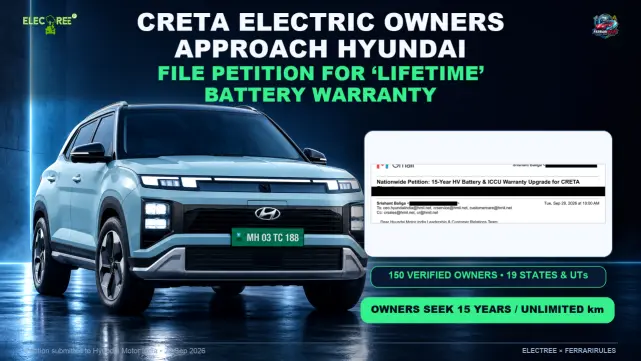
Creta Electric Owners Approach Hyundai - File Petition for Lifetime Battery Warranty