
India’s Battery Cell Push Gains Momentum
India is building a domestic battery cell manufacturing base, with some companies already producing cells while several others remain in testing, qualification or planning stages. The latest tracking by Nikhil of Tesla Club India highlights the progress and gaps across key projects.


Category:
Tag:
- EV Battery | Battery Manufacturing
India’s battery cell manufacturing ecosystem is slowly moving beyond factory announcements and planned investments. A latest tracking update by Nikhil of Tesla Club India (TCIN) shows that some companies have started making cells, while several others are still working through testing, customer qualification, equipment installation or technology partnerships.
The tracking specifically looks at cell manufacturing, rather than battery-pack assembly. It provides a snapshot of how different projects are progressing and where the biggest gaps remain.
From an announcement to an actual cell factory
Building a cell manufacturing plant is not a single-step process. Companies first announce their plans and capacity, then procure equipment and technology before moving into pilot production. The cells must subsequently go through customer testing and qualification before commercial-scale production can begin.
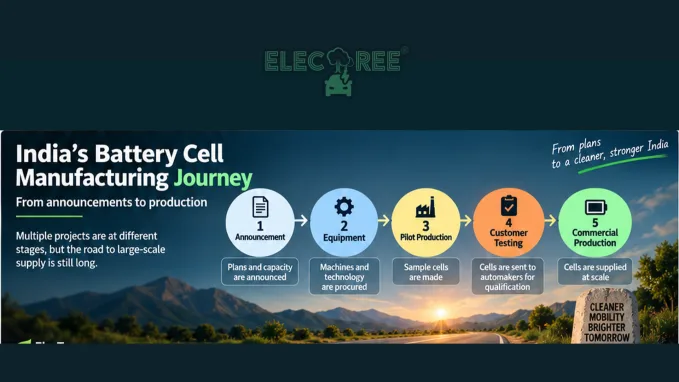
This distinction is important because a project being announced does not necessarily mean cells are already being produced. TCIN's latest tracking shows companies spread across almost every stage of this journey.
Ola and Nash Energy are among those already making cells
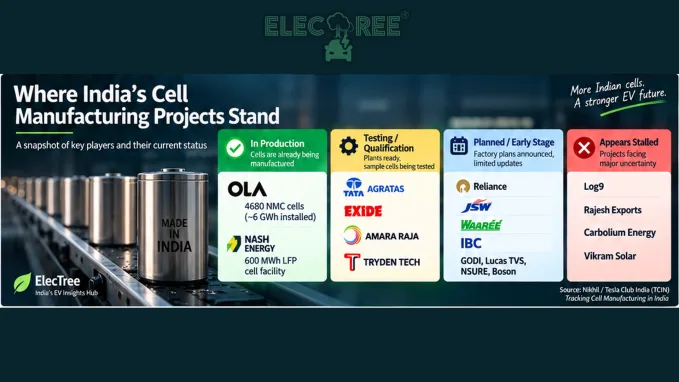
Ola Electric has moved into cell production, with its 4680-format NMC cells in production. The company has around 6 GWh of installed capacity, although TCIN notes that actual production remains well below the installed level. LFP cylindrical cells are also expected soon.
Nash Energy, based in Bengaluru, is another company with cell production underway. Its facility has a reported capacity of 600 MWh for LFP cells.
The two companies therefore offer an important distinction in India's cell manufacturing story: having production capability in place is one milestone, but reaching a high utilisation level is another.
Agratas, Exide and Amara Raja are moving through testing
Several larger projects are now closer to the production stage but are still working through qualification and technology-related steps.
Tata Group's Agratas is using Envision AESC technology for its NMC programme while developing its own LFP technology. According to the TCIN update, NMC production in India is expected in 2027, with production for JLR expected to come first.
Exide's plant construction is complete, with around 6 GWh of capacity planned across NMC and LFP cells. Test batches are being sent to customers for qualification.
Amara Raja is also operating a sampling plant as it works towards customer qualification. Its plans involve Gotion technology for LFP and Highstar technology for NMC, with Phase 1 planned at 4 GWh.
The status of these projects shows why the period between building a factory and supplying cells commercially can be lengthy. Technology validation, sample production and customer approval all have to happen before large-scale supply begins.
A number of projects are still waiting for the next step
Not every company is at the same stage. Reliance has equipment procured for its lithium-ion plans, with installation expected to begin soon, while its sodium-ion work appears to be on hold according to TCIN.
JSW is still looking for a technology partner. Waaree has announced a 3.5 GWh cell factory but has had limited recent updates. IBC has announced a joint venture with MGL for cell manufacturing in Karnataka, while companies such as GODI, Lucas TVS, NSURE and Boson have also seen limited recent movement.
Tryden Tech is a newer addition to the landscape. The company has developed LFP and NMC cells and is currently undertaking pilot production, with external technology being used for production.
Not every project has moved forward
The latest tracking also points to projects where progress appears to have stalled.
TCIN lists Log9's existing operations as having ceased, while the Rajesh Exports project appears unlikely to materialise, although its exact status remains unclear. Carbolium Energy also has no meaningful evidence of ongoing activity, according to the update.
Vikram Solar's plans for semi-solid sodium-ion cells, meanwhile, appear to be on hold.
These cases underline a simple point: announcing a manufacturing project is only the beginning.
The gap between announced capacity and actual production
India now has multiple cell manufacturing projects across different stages, with more than 40 GWh of announced capacity across the projects covered in the tracking. But announced capacity and actual production are not the same thing.
Only a small number of companies are currently making cells, while others are still moving through pilot production, customer qualification, equipment installation or technology selection.
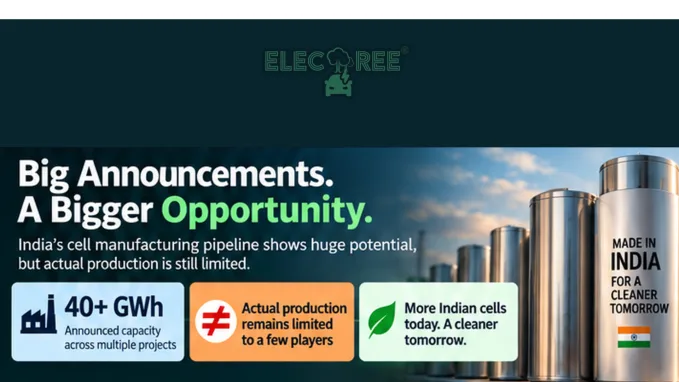
The next phase will therefore be less about how many factories have been announced and more about how many of them successfully move into sustained commercial production.
The road ahead
India's cell manufacturing ecosystem is taking shape, but the latest tracking shows that the industry is still in a transition phase. Some companies have reached production, others are testing their cells with customers, and several projects are still waiting for equipment, technology or clearer progress.
The coming years will show how many of these announcements turn into working production lines and, ultimately, a larger domestic supply of battery cells.
Source: Nikhil, Tesla Club India (TCIN), Tracking Cell Manufacturing in India. Project-specific status and assessments are based on the latest TCIN update.
Recent Articles


Trending Articles
Kerala Makes EVs More Affordable: Revised Road Tax Structure to Accelerate Adoption
India Car Sales by Fuel Type — March 2026: EV Share Hits New High, CNG Surges, Petrol Loses Ground
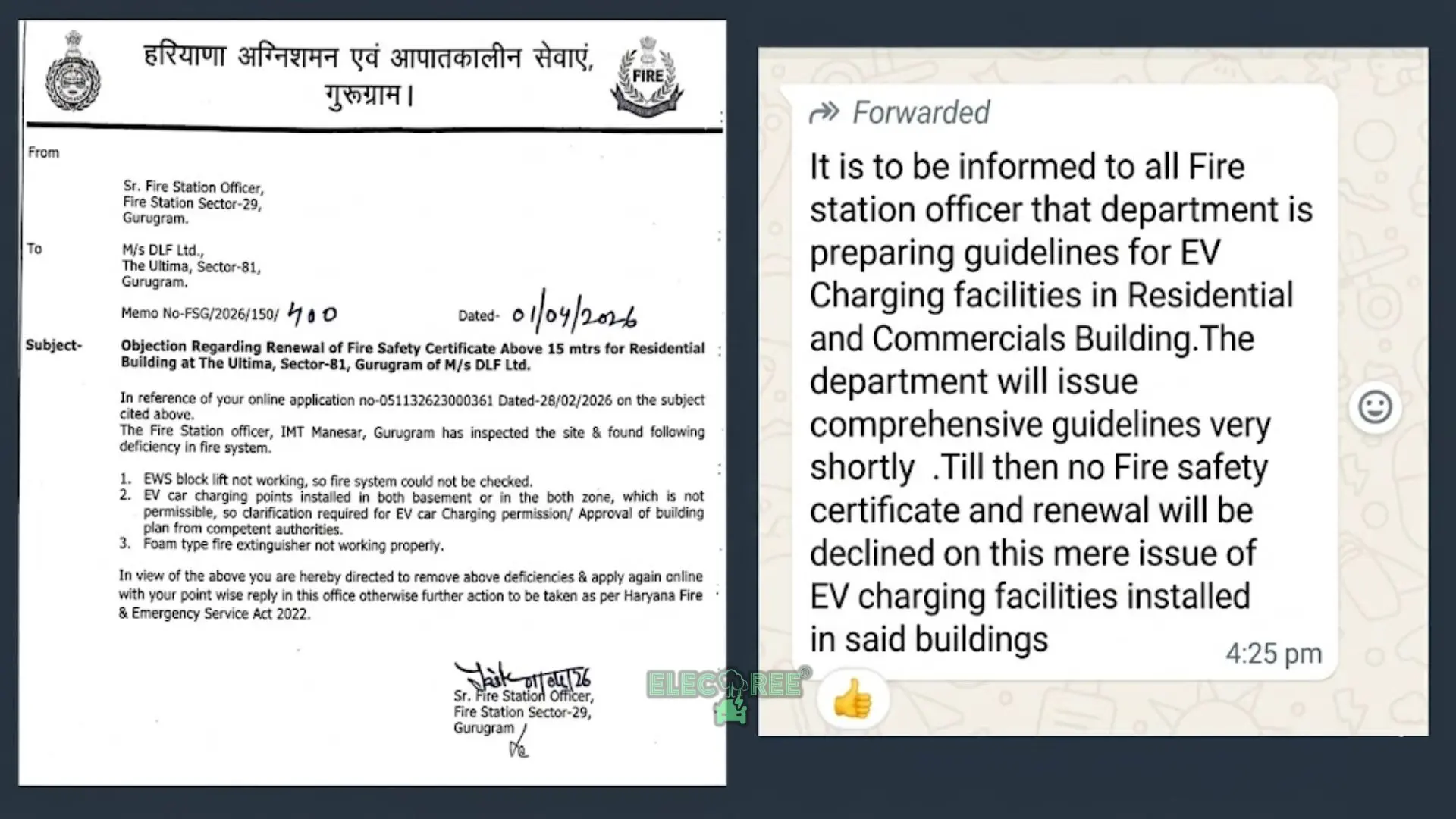
No Fire Safety Certificate Will Be Declined Over EV Chargers, Says Haryana Fire Department
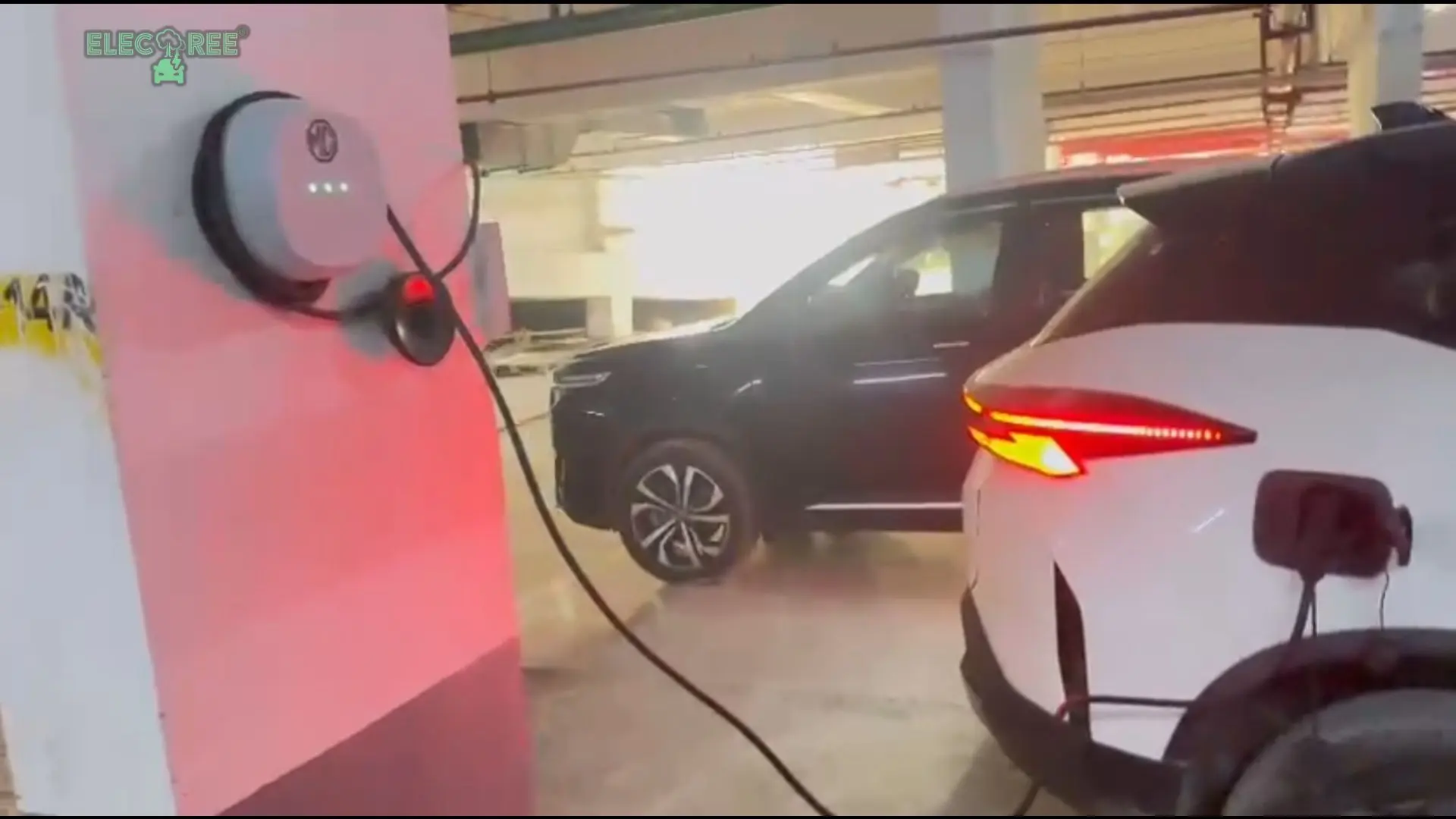
Haryana Releases Draft Fire Safety Guidelines for EV Charging