
BYD Teases Sealion 6 PHEV for India: What to Expect
BYD has officially teased the Sealion 6 PHEV for India. With spy shots already out and a late 2026 launch expected, here is what the powertrain looks like and what Indian buyers should know before getting excited.


Category:
Tag:
- BYD Sealion 6
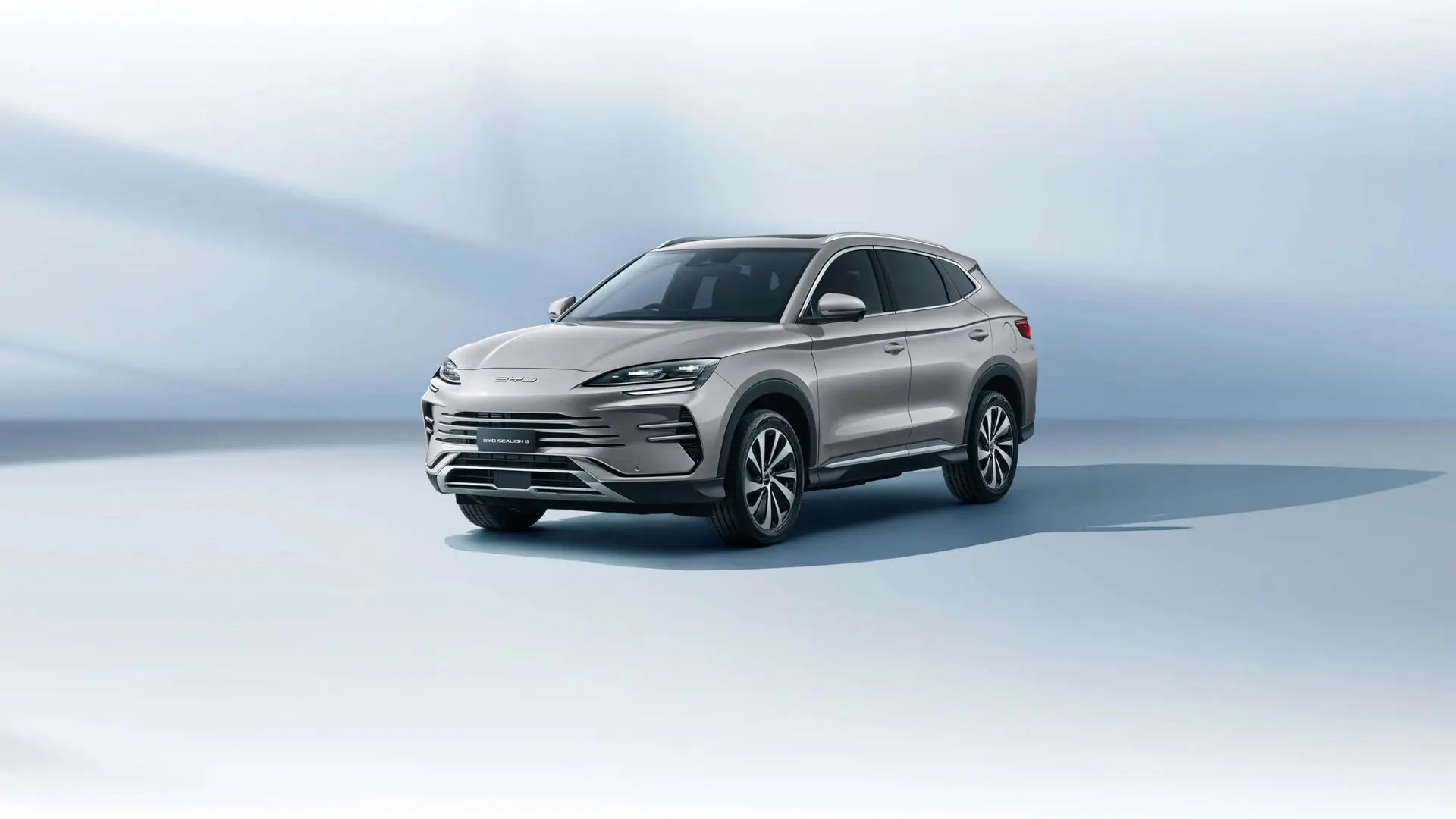
BYD India has released an official teaser of the Sealion 6 on its social media channels, signalling that the plug-in hybrid SUV is being seriously considered for the Indian market. This follows spy shots of an undisguised test mule on Indian roads, first reported by Autocar India. BYD had also showcased the Sealion 6 at the 2025 Auto Expo to gauge buyer interest. The teaser now makes the intent official.
When launched, the Sealion 6 will be BYD's first plug-in hybrid vehicle in India — a significant shift from the brand's India-only EV strategy so far.
What to Expect — Powertrain
The Sealion 6 is a plug-in hybrid SUV built on BYD's DM-i PHEV architecture. The base variant pairs a 1.5-litre naturally aspirated petrol engine with a front-mounted permanent magnet synchronous electric motor and an 18.3 kWh Blade LFP battery. The electric motor produces 145 kW/194.4 bhp and 300 Nm. Combined system output is 160 kW/214.5 bhp and 300 Nm. On a full charge, the Sealion 6 offers approximately 80 km of pure electric range. With a full 60-litre fuel tank added, the combined claimed range is around 1,000 km.
A more powerful AWD variant is also available globally, pairing a 1.5-litre turbocharged engine with both front and rear electric motors for a combined output of 238 kW/319 bhp and 550 Nm. Whether BYD India introduces one or both variants at launch remains to be confirmed.
Charging is via a 7 kW AC port and an 18 kW DC port. The Sealion 6 also supports V2L — Vehicle-to-Load — allowing the battery to power external electrical devices.
What to Expect — Interior
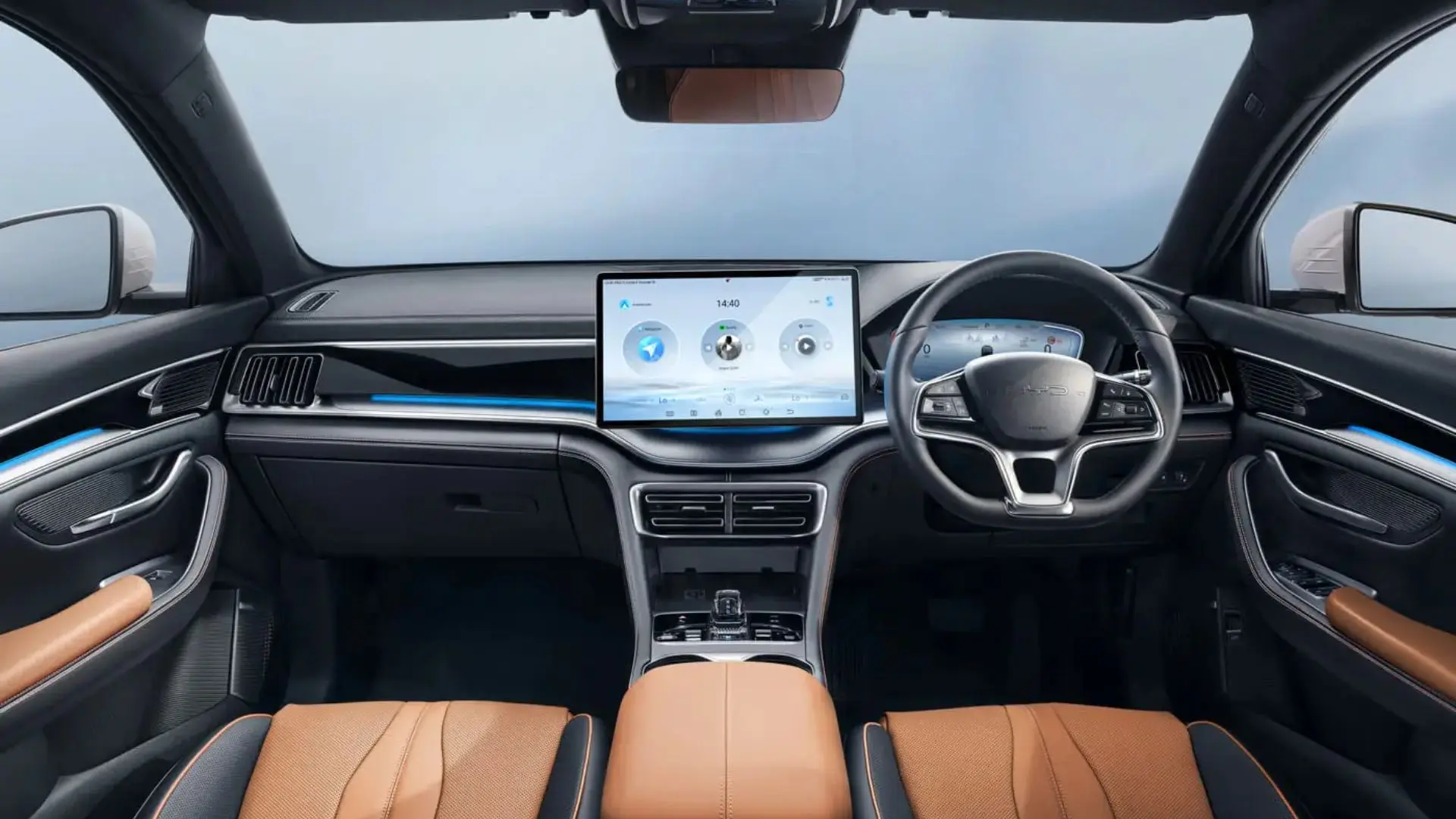
Inside, the Sealion 6 carries a premium, tech-forward cabin. The centrepiece is a 15.6-inch intelligent rotating touchscreen paired with a 12.3-inch LCD instrument cluster. Audio is handled by a 10-speaker Infinity premium sound system. Wireless phone charging, a head-up display and a voice assistant are also on board.
Seating is in synthetic leather with an 8-way power-adjustable driver's seat, 4-way power-adjustable passenger seat, and heated and ventilated front seats. The rear row gets a central armrest with dual cup holders. Boot space stands at 425 litres.
On the safety front, the Sealion 6 comes with seven airbags including a far-side driver airbag, a 360-degree camera, front and rear parking sensors, AEB, lane departure warning and prevention, blind spot detection, adaptive cruise control and a rear collision warning system among others.
Expected Price
The Sealion 6 is expected to arrive as a CBU import initially. Accounting for India's import duties on CBU vehicles, we estimate a starting price of approximately ₹40 lakh. No official pricing has been announced.
A Word on PHEV Ownership
The Sealion 6's ~80 km electric range is genuinely useful for most urban commuters — provided the battery is charged regularly. This is the key point that often gets lost in the excitement around PHEVs. Globally, a significant share of PHEV owners rarely charge their vehicles, running them almost entirely on petrol. When that happens, during idling or stop-start bumper to bumper traffic, the fuel efficiency drops sharply and the purpose of the technology is defeated — the car becomes a heavier, more expensive petrol SUV.
For the Sealion 6 to deliver on its promise in India, regular home or workplace charging is essential. The 80 km electric range covers most daily urban commutes comfortably — but only if the habit of charging is built into daily routine. Buying a PHEV and not charging it is the worst of both worlds.
Competition
At around ₹40 lakh, the Sealion 6 will enter a segment that currently has no direct PHEV rival. The JSW-Chery Jetour T2 — is also expected to arrive as a PHEV SUV later in 2026, and is likely to be the Sealion 6's most direct competition.
A launch in the final quarter of 2026 is widely expected. ElecTree will keep tracking this one.
Disclaimer: All images used are for representation purpose only and sourced from BYD website. No copyright infringement intended.
Trending Articles


Recent Articles
Renault Duster Hybrid vs Maruti Victoris Hybrid: All Variants Compared
Duster Hybrid vs Hyryder Hybrid: Prices, Powertrain and Variants Compared
Top 5 Best Selling EVs This Year: Windsor Leads with Clear Margin
Renault Duster Hybrid vs Maruti Suzuki Grand Vitara Hybrid: Base, Mid, and Top Variant Comparison