
Pakistan's EV boom, fueled by Chinese giants like BYD and GWM, promises cleaner roads and manufacturing hubs—but amid soaring inflation and poverty, is this the priority? EV adoption is positive, yet it won't fix foundational economic woes.


As Chinese electric vehicle manufacturers storm Pakistan's automotive landscape, from BYD's flashy launches to Great Wall Motors' local assembly deals, the nation stands at a crossroads of innovation and necessity. With government incentives pushing for 30% EV adoption by 2030 and 90% by 2040, this influx promises reduced emissions, job creation, and a shot at becoming a regional export hub. Yet, in a country grappling with rampant inflation, deepening poverty, and sluggish growth, one must ask: Is chasing the EV dream the right focus, or a shiny diversion from core domestic crises?
EV adoption is undoubtedly a welcome step toward sustainability, aligning with Pakistan's Paris Agreement commitments and potentially easing the burden of fuel imports. But let's be clear—swapping internal combustion engines for batteries won't magically resolve the entrenched issues dragging down millions of lives. It's time for policymakers to prioritize bread-and-butter problems over electric aspirations.

Chinese brands like BYD, BAIC, Changan, JAC Motors, Great Wall Motors (GWM), MG, FAW, and Chery are reshaping Pakistan's market, long dominated by Japanese giants such as Toyota and Honda. BYD's recent debut of three fully-electric models, coupled with plans for a 2026 assembly plant via a partnership with a local power firm, exemplifies the momentum. GWM's ORA 3 EV, rolled out through Sazgar Engineering, adds to the mix, while two-wheelers from Yadea and Road Prince already claim 70% of Pakistan's electric fleet.
The government's New Energy Vehicle (NEV) policy sweetens the deal with tax breaks, reduced duties, and green financing, issuing 57 manufacturing licenses this year—mostly for two-wheelers. Experts like Zubair Faisal Abbasi, a development policy advisor in Islamabad, see untapped potential: "The market for low-cost Chinese EVs in Pakistan remains largely untapped... Chinese electric vehicles, being more affordable, are well-positioned to fill this gap."
This push could foster industrial growth, create jobs in dedicated EV zones across provinces, and position Pakistan as an export base for South Asia and the Middle East. Environmentally, it's a win, curbing pollution in smog-choked cities like Lahore and Karachi. Naeem Haroon, a Karachi-based CEO, notes: "The growing partnership between Pakistan and China in the automotive sector will drive innovation."
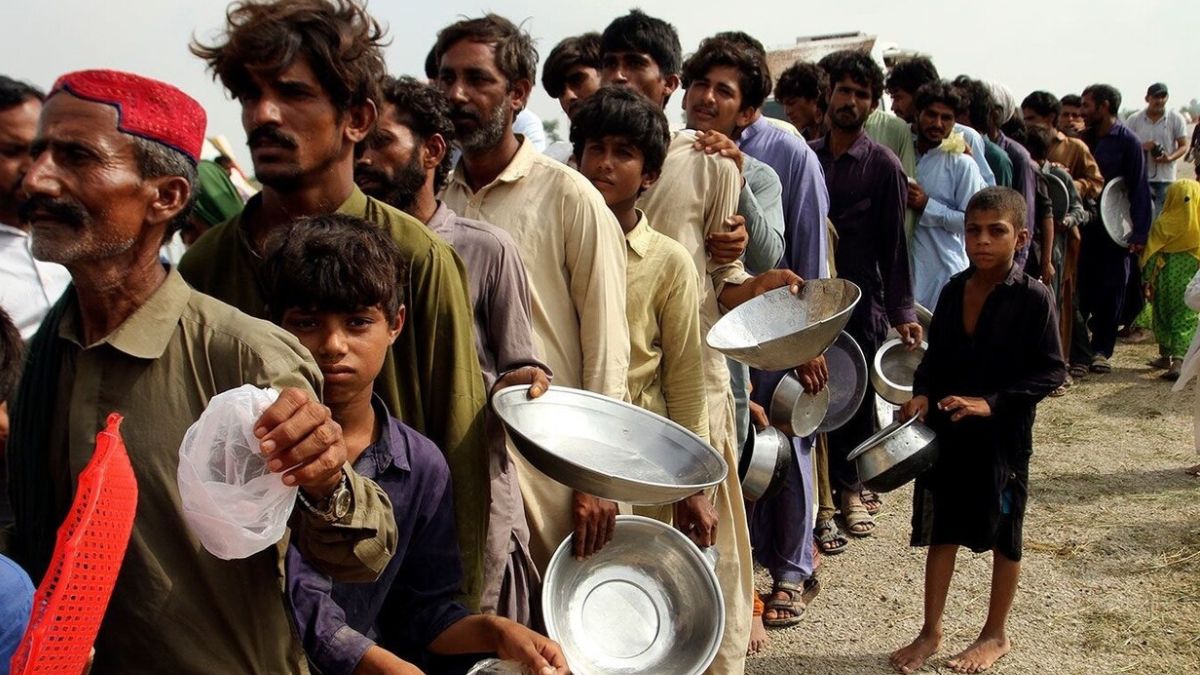)
However, this EV enthusiasm glosses over Pakistan's dire economic fundamentals. Inflation hovers around 20-25%, eroding purchasing power for the average citizen—making even "affordable" Chinese EVs (often priced beyond reach) a luxury amid skyrocketing food and utility costs. Poverty rates have climbed to 40%, with millions struggling for basic needs like education and healthcare, while GDP growth limps at 2-3% annually, far below the 5-6% needed to absorb a burgeoning youth population.
The auto sector itself reflects this turbulence: Overall sales dipped 8% last year, dragged by a 67% tractor plunge, even as passenger cars rose 17%. But EVs won't reverse these trends—they exacerbate challenges like power grid shortfalls (despite surplus capacity) and underdeveloped charging infrastructure. BYD's plan for 20-30 fast chargers in major cities is a start, but rural areas remain underserved, and misconceptions about battery life and maintenance deter buyers.
In essence, EVs address symptoms of climate vulnerability, not the root causes of economic malaise. Pouring resources into incentives and foreign partnerships risks widening inequality, benefiting urban elites while the masses endure blackouts and job scarcity. As Abbasi warns, high upfront costs and limited awareness could stall adoption, but the real issue is opportunity cost: Funds funneled into EV zones might better combat poverty through social safety nets or inflation-curbing reforms.
Don't get me wrong—embracing Chinese EVs is a smart long-term play. They offer cheaper, greener alternatives to fossil fuels, potentially slashing import bills and creating export revenues. Collaborations like BYD's assembly push could transfer tech know-how, boosting local manufacturing.
Yet, Pakistan must recalibrate priorities. Stabilize the economy first: Tackle inflation via fiscal discipline, alleviate poverty through targeted subsidies and skill programs, and ignite growth with infrastructure beyond EVs—think reliable power grids that support all sectors, not just charging stations. Only then can EV adoption thrive equitably, avoiding a scenario where shiny imports mask deeper woes.
Policymakers, take heed: Green mobility is vital, but a nation can't drive forward on empty stomachs. Redirect focus to domestic resilience, and let EVs be the cherry on top, not the main course.
Suhail Gulati
Suhail Gulati is the founder of ElecTree and an economist by training. He holds a Master's degree in Economics from the Delhi School of Economics and has worked in credit, retail banking, and financial stress testing at Barclays and American Express. He founded ElecTree in 2023 — building it into India's dedicated platform for 4-wheeler EV data, sales analysis, and original reporting. His work sits at the intersection of economic analysis and electric mobility — bringing a banker's rigour to a sector that deserves it.