
How the MG Windsor Became India's Best-Selling EV
Launched in September 2024, the Windsor took one month to find its feet and one more to reach the top. Vahan registration data tells the complete story of how it got there — and what kept it there.


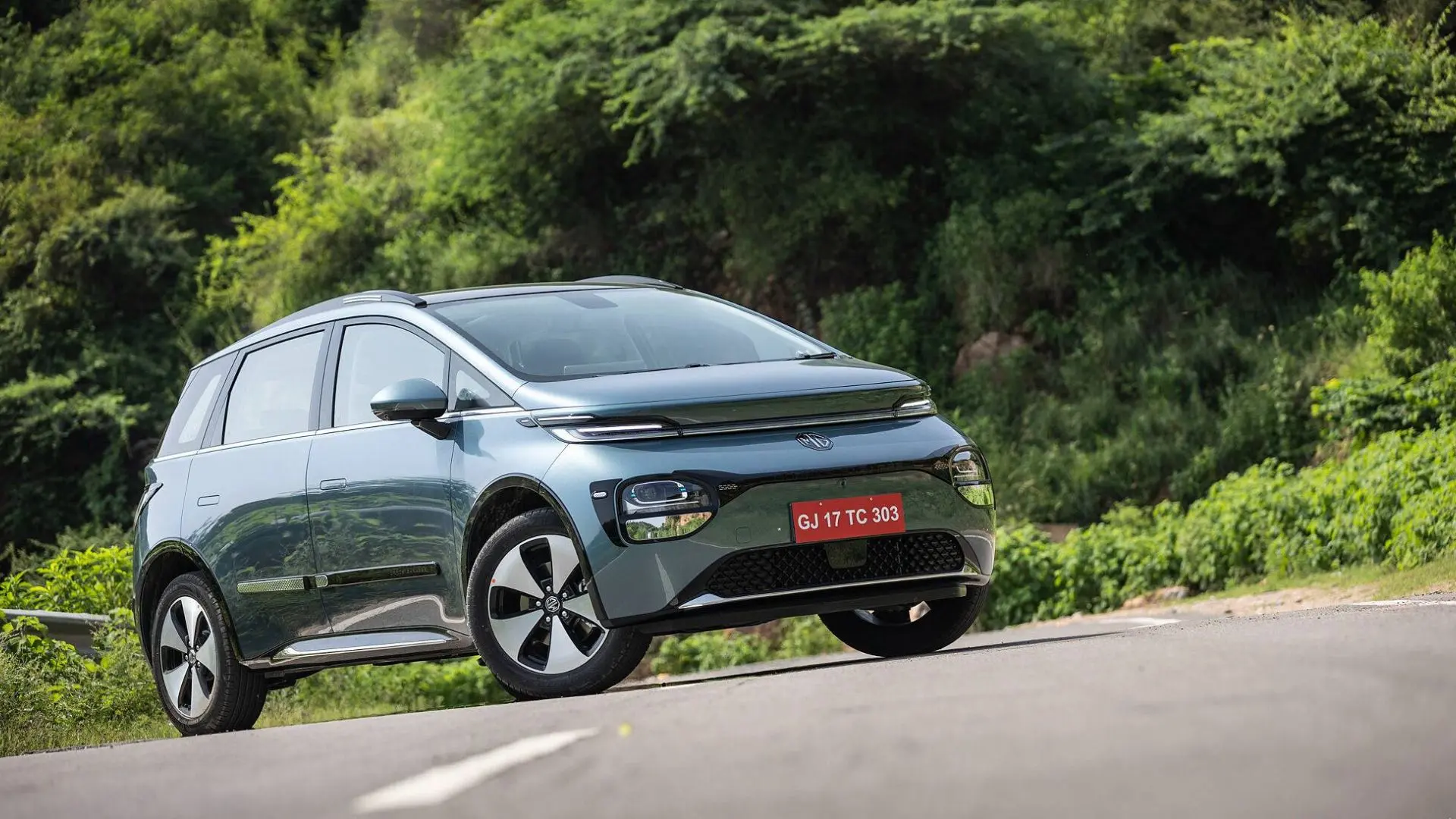
Category:
Tag:
- MG Windsor
In September 2024, JSW MG Motor India launched the Windsor EV with a question nobody had asked before: what if you did not have to pay for the battery?
The Battery-as-a-Service model — ₹9.99 lakh for the car, ₹3.5 per kilometre for the battery — was either going to confuse buyers or convert them. 15,000 bookings in the first 24 hours suggested India had an answer ready.
What Made People Walk In
The Windsor looked different. Flush door handles. Connected LED lighting front and back. A roofline that felt more like a lounge than a crossover. In a market that had been rewarding aggressive SUV styling for years, this was a deliberate departure.
The inside is what closed the sale. Almost no buttons. A 15.6-inch screen as the centrepiece. No transmission tunnel — just a wide, flat floor with rear seats that reclined to 135 degrees. A panoramic glass roof over the whole cabin. For a car under ₹14 lakh with battery included, this was space and calm that Indian buyers had not been offered at this price before.
The Essence — the top variant of the standard range — was the choice buyers landed on from the very first month and never moved away from. When someone came in for the Windsor, they almost always left with the best version of it.
The Overtake
October 2024 — when deliveries of Windsor commenced, Tata's Nexon EV held the top spot as it had for the previous years since its launch. But things were soon about to change
Month | Windsor | Nexon EV |
|---|---|---|
Oct-24 | 1,318 | 1,649 |
Nov-24 | 2,372 | 1,393 |
Dec-24 | 2,874 | 1,160 |
Windsor crossed the Nexon in just its second month on sale and never conceded the position again.
The Signal Buyers Sent
Through early 2025, Windsor was comfortably ahead every month. But its own numbers told a quiet story — the initial wave of bookings had worked through the system and the ramp had levelled off in the 2,800–3,400 range.
The feedback from buyers was consistent: they loved the car but wanted more range. The 38 kWh battery's 332 km claimed range was fine for the city. For a family thinking about a highway trip, it introduced doubt. In India, that doubt tends to kill a purchase decision.
MG moved in eight months rather than waiting for an annual update.
The Pro and What It Did
In May 2025, the Windsor Pro arrived with a 52.9 kWh battery and a claimed range of 449 km. Level 2 ADAS came with it. The Essence Pro — the top Pro variant — immediately became the dominant choice within the Pro range, exactly as the standard Essence had been before it.
The numbers did not inch up. They jumped.
| Month | Standard Windsor | Pro | Total | Nexon EV |
|---|---|---|---|---|
| Apr-25 | 2,888 | — | 2,888 | 1,620 |
| May-25 | 1,961 | 1,524 | 3,427 | 1,665 |
| Jun-25 | 1,621 | 1,855 | 3,523 | 1,850 |
| Jul-25 | 1,898 | 2,652 | 4,504 | 2,684 |
| Aug-25 | 1,717 | 2,597 | 4,326 | 2,707 |
July 2025 produced 4,504 sales — the highest single month in Windsor's history. The Pro did not take buyers away from the standard variant. It brought in an entirely new set of buyers who had been waiting on the range question to be answered.
One Year, One Celebration
In October 2025, MG released the Inspire Edition — 300 units with a distinct darker interior, a limited run to mark the car's first year. It registered 251 units across October, November and December. Small in volume, but limited editions are for cars that have earned a following.
The Full Picture
| Quarter | Windsor | QoQ | Nexon EV | QoQ |
|---|---|---|---|---|
| Q4 2024 | 6,564 | — | 4,202 | — |
| Q1 2025 | 9,464 | +44% | 4,040 | -4% |
| Q2 2025 | 9,838 | +4% | 5,135 | +27% |
| Q3 2025 | 12,328 | +25% | 7,828 | +53% |
| Q4 2025 | 10,413 | -16% | 7,498 | -4% |
| Total | 48,607 | 28,703 |
Across 15 months, Windsor registered 48,607 units against Nexon's 28,703. A car that did not exist before September 2024 outsold a five-year incumbent by nearly 20,000 units in the same window.
What This Story Is Really About
The Windsor did not win on specifications. It won because it made a different argument — that the inside of a car deserves as much attention as the badge on the front, and that space and calm are things Indian buyers will pay for when given the option.
When those buyers said they needed more range, the answer came in eight months.
A market does not give 4,504 registrations in a single month to a car it merely likes. It does that for a car it has decided belongs at the top.
Data source: Vahan, Government of India. All-India figures combine national Vahan data with Telangana state data. Data through December 2025. These represent retail sales and not dealership dispatches.
Image courtesy JSW-MG.
Recent Articles
Trending Articles
Kerala Makes EVs More Affordable: Revised Road Tax Structure to Accelerate Adoption
India Car Sales by Fuel Type — March 2026: EV Share Hits New High, CNG Surges, Petrol Loses Ground
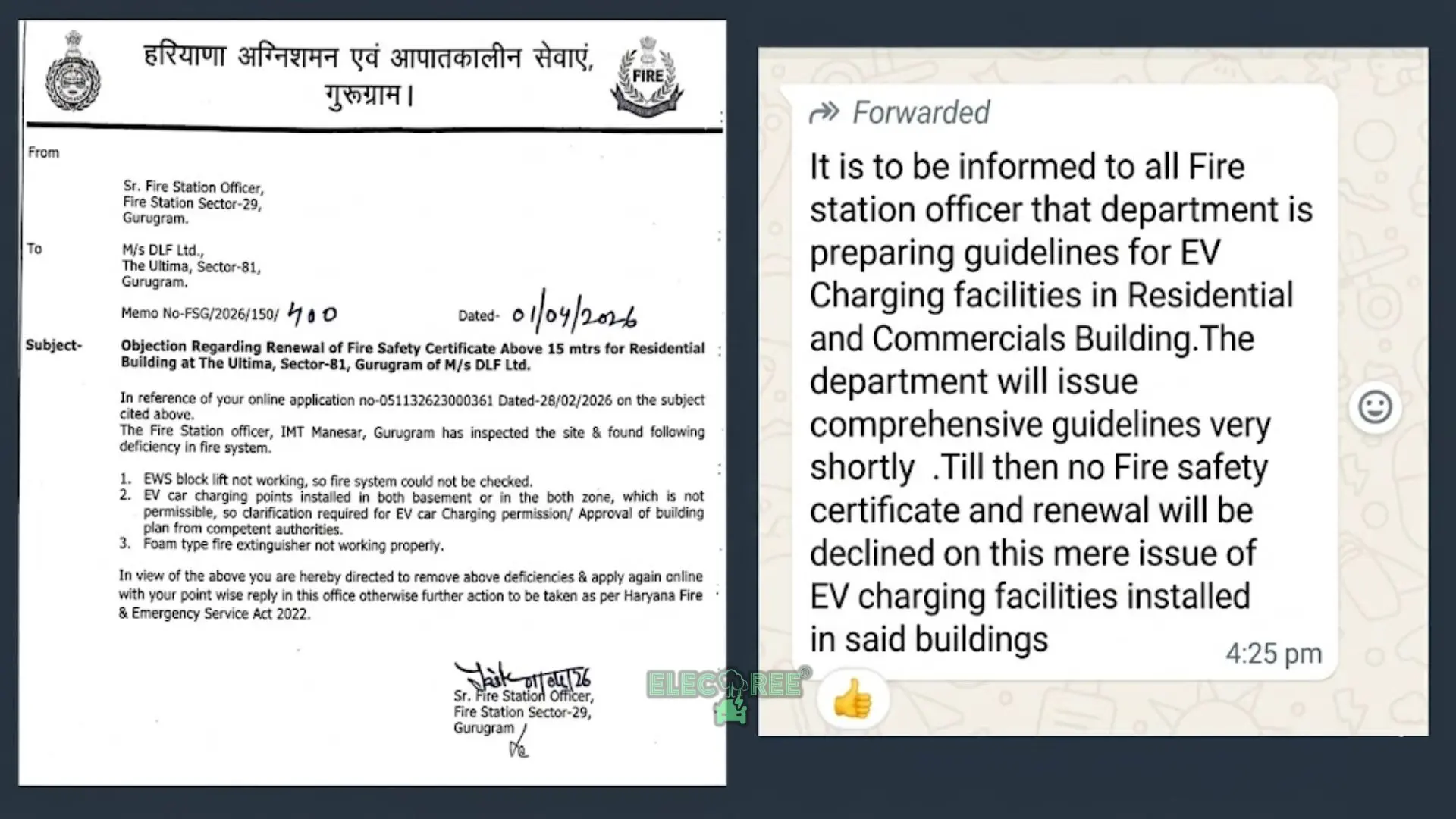
No Fire Safety Certificate Will Be Declined Over EV Chargers, Says Haryana Fire Department
Haryana Releases Draft Fire Safety Guidelines for EV Charging