Government Clears ₹503 Crore for 4,874 EV Charging Stations Under PM E-Drive
India's heavy industries ministry has approved ₹503.86 crore for 4,874 public EV charging stations. The numbers are encouraging — but the track record of existing infrastructure and the power split on dual-gun chargers raise questions about real-world utility.


Category:
Tag:
- PM E-Drive
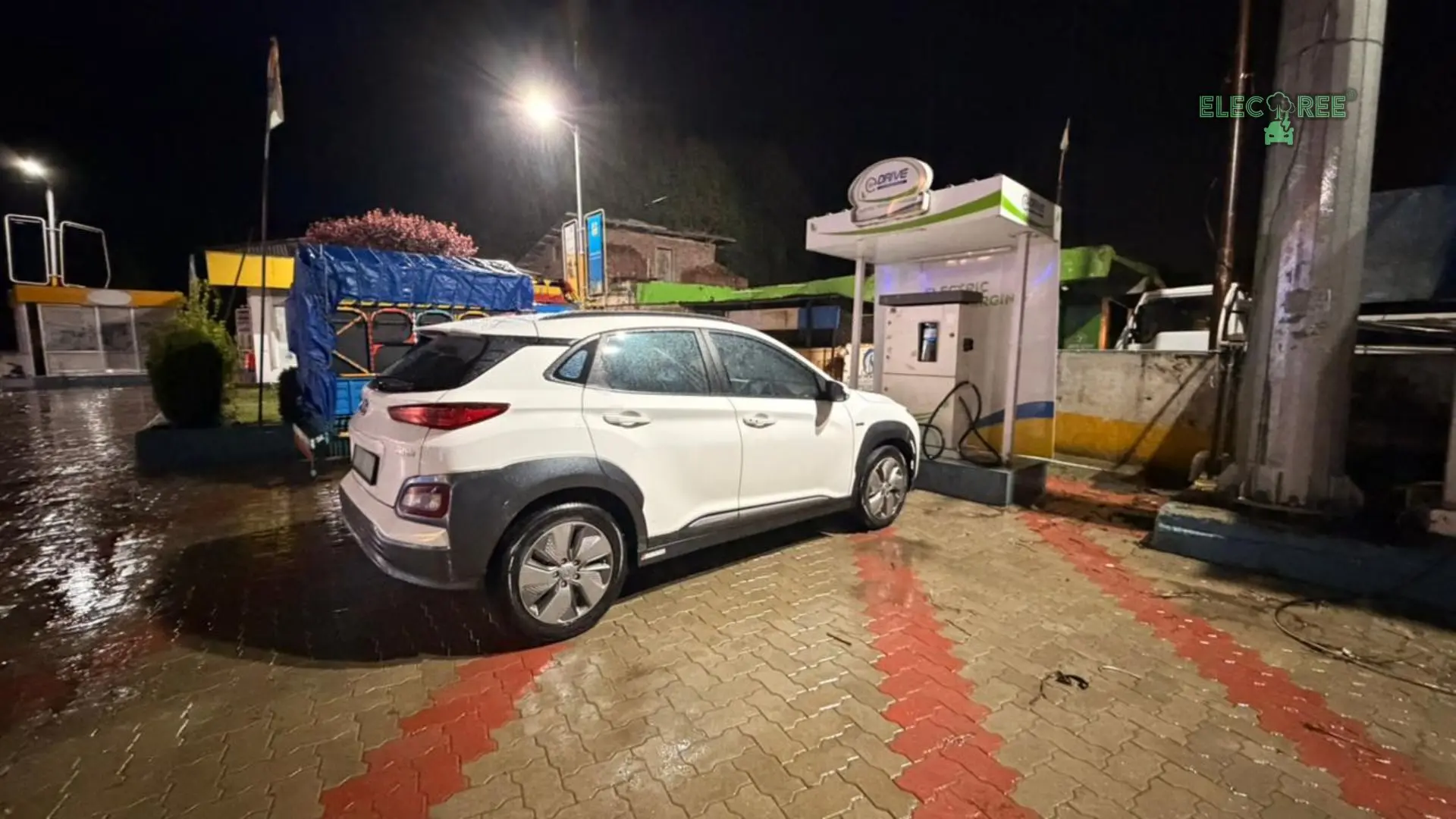
The Ministry of Heavy Industries has cleared ₹503.86 crore for the installation of 4,874 public EV charging stations under the PM E-Drive scheme. The approval covers proposals from state-run oil marketing companies — HPCL, BPCL and IOCL — as well as ten states including Rajasthan, Andhra Pradesh, Uttar Pradesh, Gujarat, Kerala, Telangana, Karnataka and Tamil Nadu. Karnataka receives the largest state allocation — 1,243 stations backed by ₹123.26 crore. Heavy industries minister H.D. Kumaraswamy made the announcement at a conference on EV charging in Bengaluru on 12 May 2026.
The disbursal is part of a broader ₹2,000 crore plan to install over 72,000 chargers nationwide under the ₹10,900 crore PM E-Drive scheme.
The Numbers That Matter
The announcement needs to be read alongside a harder set of figures. As of 1 March 2026, India had installed 27,737 EV chargers over the previous five years — but only 22,753 were operational, the ministry itself told Parliament. That means roughly one in five public chargers was non-functional. NITI Aayog's India Electric Mobility Index 2024 flagged inadequate public charging infrastructure and low utilisation at existing stations, recommending that expansion be done after testing viability at specific locations first.
4,874 new stations is a meaningful addition. But if the installation-to-operational ratio does not improve, a significant share of these will be unavailable to EV owners on any given day.
The Power Question
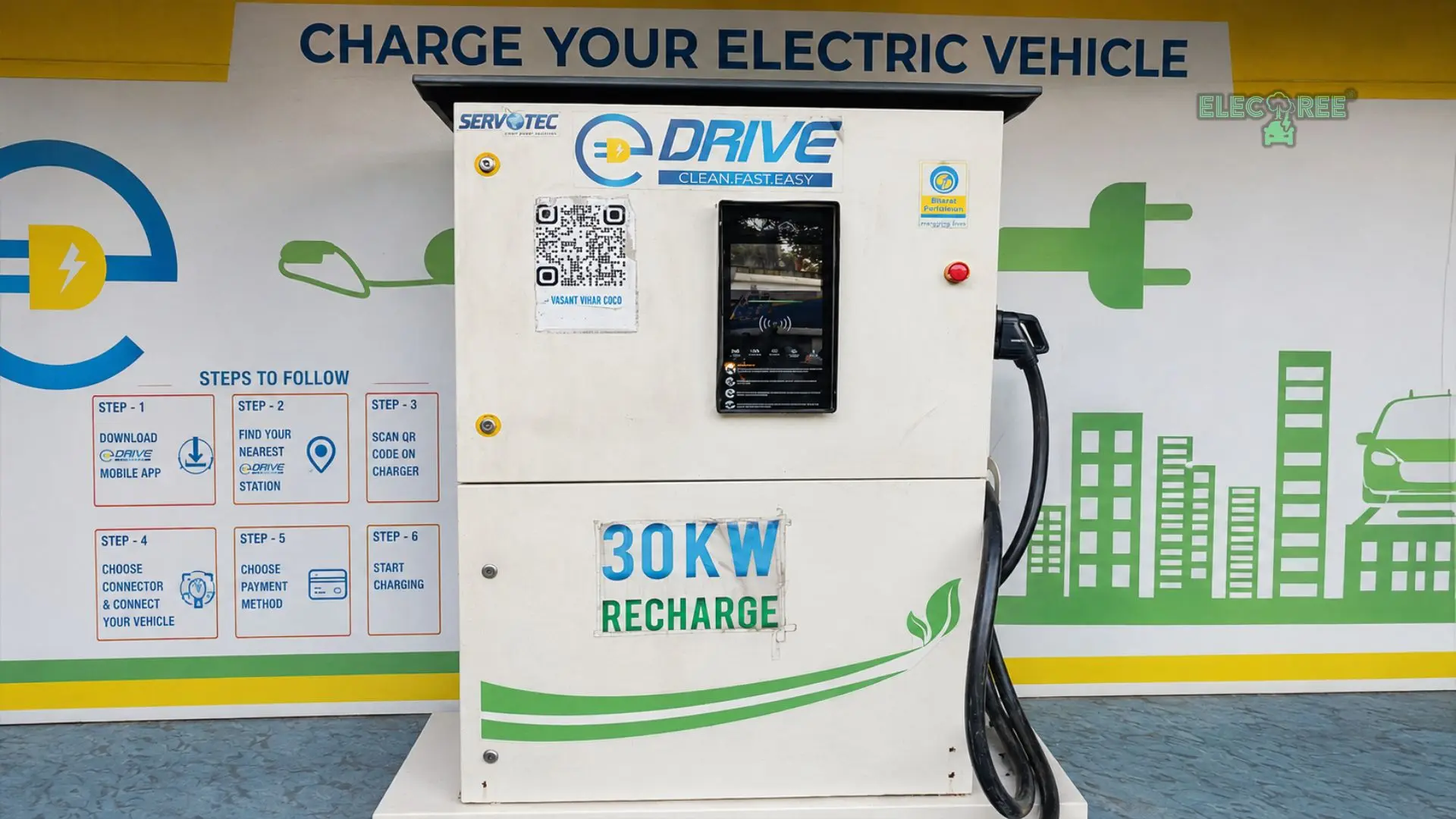
The PM E-Drive Operational Guidelines issued by the Ministry of Heavy Industries on 26 September 2025 specify CCS-II chargers ranging from 50 kW to 250 kW for four-wheelers, with BEE benchmark costs of ₹7.25 lakh for a 50 kW unit and ₹11.68 lakh for a 100 kW unit. Notably, while the guidelines mandate a minimum of 120 kW per charging gun for heavy-duty buses and trucks, no such minimum per-gun power requirement exists for four-wheeler chargers. That gap matters in practice.
A dual-gun DC charger rated at 60 kW that splits to 30 kW per gun when both ports are occupied is functionally a 30 kW charger for most users. At 30 kW, a typical 60 kWh battery adds roughly 30 km of range in 10 minutes — not enough for a meaningful highway top-up for new age EVs which accept faster speeds. A dedicated 60 kW per gun minimum, or better a 120 kW single-gun station, changes that entirely.
The subsidy structure incentivizes installation of hardware. It does not yet incentivize minimum power delivery per gun. That gap, more than the number of stations, is what will determine whether this ₹503 crore translates into real-world utility for India's growing 4W EV buyer base.
Disclaimer: ElecTree is the sole owner of the images used in this article. Sharing the images by removing the logo will amount to copyright infringement. Share link of the article if citing on any social media, publication or forum.
Trending Articles