


The Tata Harrier EV has emerged as a game-changer in the electric SUV market, combining advanced technology, impressive range, and premium features. Launched on June 3, 2025, with bookings starting on July 2, 2025, this SUV caters to diverse buyers, from adventure seekers to urban commuters. In this blog, we dive into the Harrier EV’s variants, highlighting why the Fearless+ 75kWh RWD variant offers exceptional value for money, especially when compared to competitors like the Mahindra BE6 Pack 3 Select and XEV 9e Pack 2.
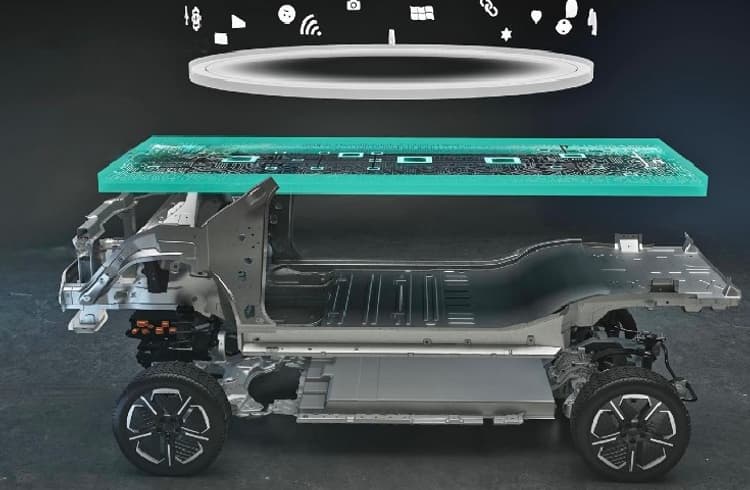
The Tata Harrier EV is a premium electric SUV built on the Acti.ev platform, designed for performance, efficiency, and comfort. Its robust design, spacious interior, and advanced safety features make it ideal for families and long-distance travelers. Here are the key specifications:

The Harrier EV is available in six variants, offering a mix of battery capacities, drivetrains, and features. All variants include Ultra Glide Suspension and cruise control for a consistent driving experience. Below is a detailed breakdown:
| Variant | Price (ex-showroom) | Battery | Range (ARAI) | Motor Type | Key Features |
|---|---|---|---|---|---|
| Harrier EV Adventure 65kWh RWD | Rs 21.49 Lakh* | 65 kWh | 538 km | PMSM (RWD) | 18-inch alloys, 6 airbags, 10.25-inch digital cluster, wireless Android Auto & CarPlay, cruise control, Ultra Glide Suspension, V2V/V2L charging, cruise control, 3 terrain modes |
| Harrier EV Adventure S 65kWh RWD | Rs 21.99 Lakh* | 65 kWh | 538 km | PMSM (RWD) | Adds rain-sensing wipers, auto headlamps, voice assisted panoramic sunroof, 12.3-inch Harman infotainment |
| Harrier EV Fearless+ 65kWh RWD | Rs 23.99 Lakh* | 65 kWh | 538 km | PMSM (RWD) | Adds ventilated front seats, 360° camera, JBL 10-speaker audio, 7 airbags, power adjustable front seats, wireless phone charger, 65W fast charging USB Type C |
| Harrier EV Fearless+ 75kWh RWD | Rs 24.99 Lakh* | 75 kWh | 627 km | PMSM (RWD) | Same features as Fearless+ 65kWh, larger battery for extended range (C75 range 480-505 km) |
| Harrier EV Empowered 75kWh RWD | Rs 27.49 Lakh* | 75 kWh | 627 km | PMSM (RWD) | Adds 14.53 inch Samsung Neo QLED Infotainment by Harman,** ADAS, dolby atmos, e-IRVM, 540° view, 4 terrain modes |
| Harrier EV Empowered 75kWh QWD | Rs 28.99 Lakh* | 75 kWh | 622 km | Dual-motor (QWD) | Adds all-wheel drive, 155.8 BHP front motor, 6 terrain modes |
The variants cater to diverse needs, with the 65kWh models offering affordability and the 75kWh models providing extended range. The QWD variant is ideal for enhanced traction and off-road capability.

The Fearless+ 75kWh RWD variant, priced at Rs 24.99 Lakh (ex-showroom), is the standout choice in the Harrier EV lineup. Here’s why it offers exceptional value:

The Mahindra BE6 Pack 3 Select and Mahindra XEV 9e Pack 2 are strong competitors in the electric SUV segment considering they are similarly priced, but the Harrier EV Fearless+ 75kWh RWD holds several advantages. Here’s a detailed comparison:
| Aspect | Tata Harrier EV Fearless+ 75kWh RWD | Mahindra BE6 Pack 3 Select | Mahindra XEV 9e Pack 2 |
|---|---|---|---|
| Price (ex-showroom) | Rs 24.99 Lakh* | Rs 24.50 Lakh* | Rs 24.90 Lakh* |
| Battery Capacity | 75 kWh (LFP, EVE C33 cells) | 59 kWh (Blade Cells) | 59 kWh (Blade Cells) |
| Motor Type | PMSM (RWD, 234.7 BHP, 315 Nm) | PMSM (RWD, 228 BHP, 380 Nm) | PMSM (RWD, 228 BHP, 380 Nm) |
| Charging (20-80%) | 25 mins (120kW DC, 300A) | 20 mins (140kW DC, 400A) | 20 mins (140kW DC, 400A) |
| Safety Rating | 5-star BNCAP | 5-star BNCAP | 5-star BNCAP |
| Key Features | Ultra Glide Suspension, 12.3-inch Harman infotainment, JBL audio, V2V/V2L, 7 airbags, lifetime battery warranty | ADAS, Harman Kardon 16-speaker audio, Dolby Atmos, 7 airbags, lifetime battery warranty | Triple Front Screen, 6 airbags, glass roof, lifetime battery warranty |


The Mahindra BE6 Pack 3 Select offers advanced safety features like ADAS. The BE6’s Harman Kardon 16-speaker audio and the XEV 9e’s Triple Front Screen are premium touches. However, their shorter certified range and untested real-world performance make the Harrier a more compelling choice for buyers prioritizing range and proven technology.

Tata EVs have the most presence on road in India gaining from the first mover advantage back in 2020. They have acknowledged issues with their electric vehicles not only the High Voltage Critical Error but also software glitches. Though the issues have reduced with Curvv EV but Tata had to take a reputation hit. This seems like a make or break launch for Tata. If Harrier EV can be free from the previous nightmares the customers have faced, confidence in Tata EVs will re-emerge and they can finally claim victory over the valid criticism.
The Tata Harrier EV redefines the electric SUV segment with its blend of range, performance, and premium features. The Fearless+ 75kWh RWD, priced at Rs 24.99 Lakh, offers the best value with its 627 km range, identical features to the Fearless+ 65kWh, and unique capabilities like V2V/V2L charging. Compared to the Mahindra BE6 Pack 3 Select and XEV 9e Pack 2, the Harrier EV stands out for its superior range, larger battery, and established technology, making it a top choice for buyers seeking a reliable and feature-packed electric SUV. For complete and accurate details on electric vehicles, check ElecTree
Disclaimer: The views are personal opinion of the author.


Suhail Gulati
Suhail Gulati is the founder of ElecTree and an economist by training. He holds a Master's degree in Economics from the Delhi School of Economics and has worked in credit, retail banking, and financial stress testing at Barclays and American Express. He founded ElecTree in 2023 — building it into India's dedicated platform for 4-wheeler EV data, sales analysis, and original reporting. His work sits at the intersection of economic analysis and electric mobility — bringing a banker's rigour to a sector that deserves it.