
BYD’s progress on solid-state and high-cycle sodium-ion batteries highlights accelerating innovation in EV energy storage, with potential implications for safety, longevity and long-term costs.

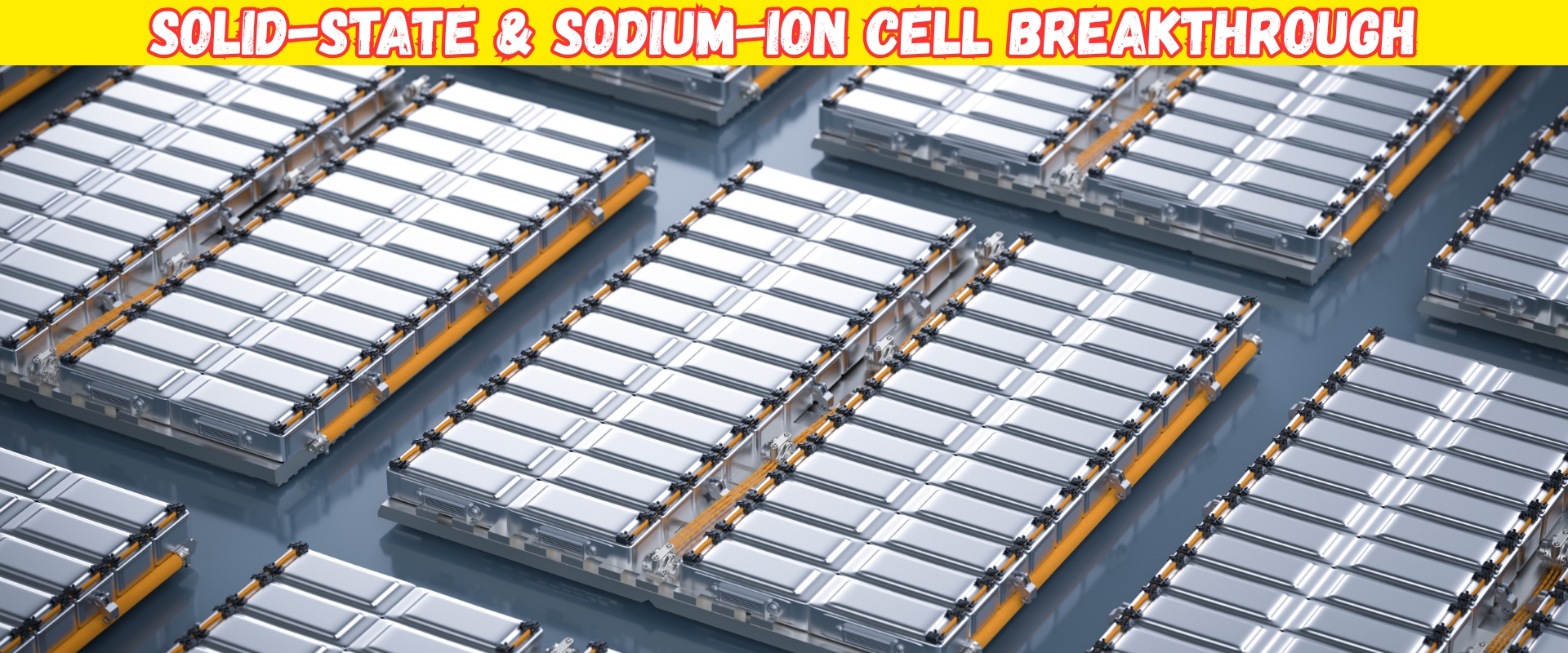
The global electric vehicle battery race is entering a new phase. Chinese automaker BYD has revealed progress on two next-generation battery technologies — sulfide-based solid-state batteries and a third-generation sodium-ion battery platform capable of up to 10,000 charge cycles. While commercial rollout is still expected later in the decade, the announcement underscores how rapidly the global battery landscape is evolving beyond conventional lithium-ion chemistries. The developments are significant not just because of who announced them, but because they reflect a broader industry shift toward safer, longer-lasting and potentially more affordable energy storage systems for electric vehicles.
Solid-state batteries have been described for years as the next big breakthrough in EV technology. Unlike traditional lithium-ion batteries that use liquid electrolytes, solid-state designs use solid electrolytes, reducing flammability risks and potentially enabling higher energy density. BYD’s latest update suggests limited production could begin around 2027, aligning with similar timelines discussed by other global manufacturers working on solid-state platforms. If successfully commercialized, such batteries could deliver improved range, enhanced safety characteristics and better long-term durability.
However, scaling solid-state production remains a significant engineering challenge. Cost, manufacturing complexity and long-term stability are still being optimized across the industry. While solid-state batteries attract headlines, sodium-ion chemistry could quietly reshape parts of the EV market sooner. BYD claims its third-generation sodium battery platform can achieve up to 10,000 charge cycles — far exceeding the typical lifecycle of many current lithium-based EV batteries. Sodium-ion cells use more abundant raw materials than lithium, potentially reducing supply chain pressures and long-term cost volatility.
Although sodium batteries typically offer lower energy density compared to high-end lithium chemistries, their durability and cost advantages could make them attractive for:
If the claimed lifecycle performance proves viable in production conditions, sodium-ion technology could significantly improve total cost of ownership for EV operators.
For consumers, next-generation batteries promise three key shifts.
That said, these benefits remain tied to successful commercialization. Laboratory capability and pilot production are different from mass-market rollout.
BYD is not alone in exploring these technologies. Multiple global manufacturers and battery suppliers are racing toward solid-state deployment later this decade. Sodium-ion research is also gaining traction across Asia and Europe as governments push for diversified raw material sourcing. The timing is notable. As EV penetration increases globally, battery performance, lifecycle economics and resource sustainability are becoming central to long-term competitiveness. The industry conversation is gradually shifting from “range anxiety” to “battery durability and lifecycle value.”
Most solid-state roadmaps now point toward the 2027–2028 window for early production vehicles. Whether these timelines hold will depend on engineering breakthroughs and manufacturing scalability. Sodium-ion, meanwhile, may see niche or selective deployments sooner, especially in segments where cost and cycle life matter more than maximum driving range. The battery race is no longer just about incremental range improvements. It is about chemistry innovation, supply chain resilience and lifecycle economics. If even part of these next-generation claims materialize at scale, the EV industry could enter a new phase — one defined less by early adoption excitement and more by technological maturity.


Suhail Gulati
Suhail Gulati is the founder of ElecTree and an economist by training. He holds a Master's degree in Economics from the Delhi School of Economics and has worked in credit, retail banking, and financial stress testing at Barclays and American Express. He founded ElecTree in 2023 — building it into India's dedicated platform for 4-wheeler EV data, sales analysis, and original reporting. His work sits at the intersection of economic analysis and electric mobility — bringing a banker's rigour to a sector that deserves it.