Why More Chinese EVs Will Hit Indian Roads in 2026 and 2027
Chinese automakers are testing vehicles on Indian roads as their home market contracts sharply. CPCA sales data and India's own Vahan figures together explain why more Chinese-origin EVs will arrive in 2026 and 2027.


Category:
Tag:
- Chinese EVs
- Indian EV Market
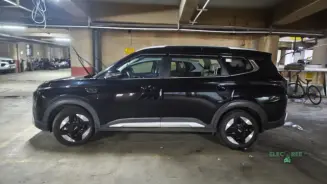
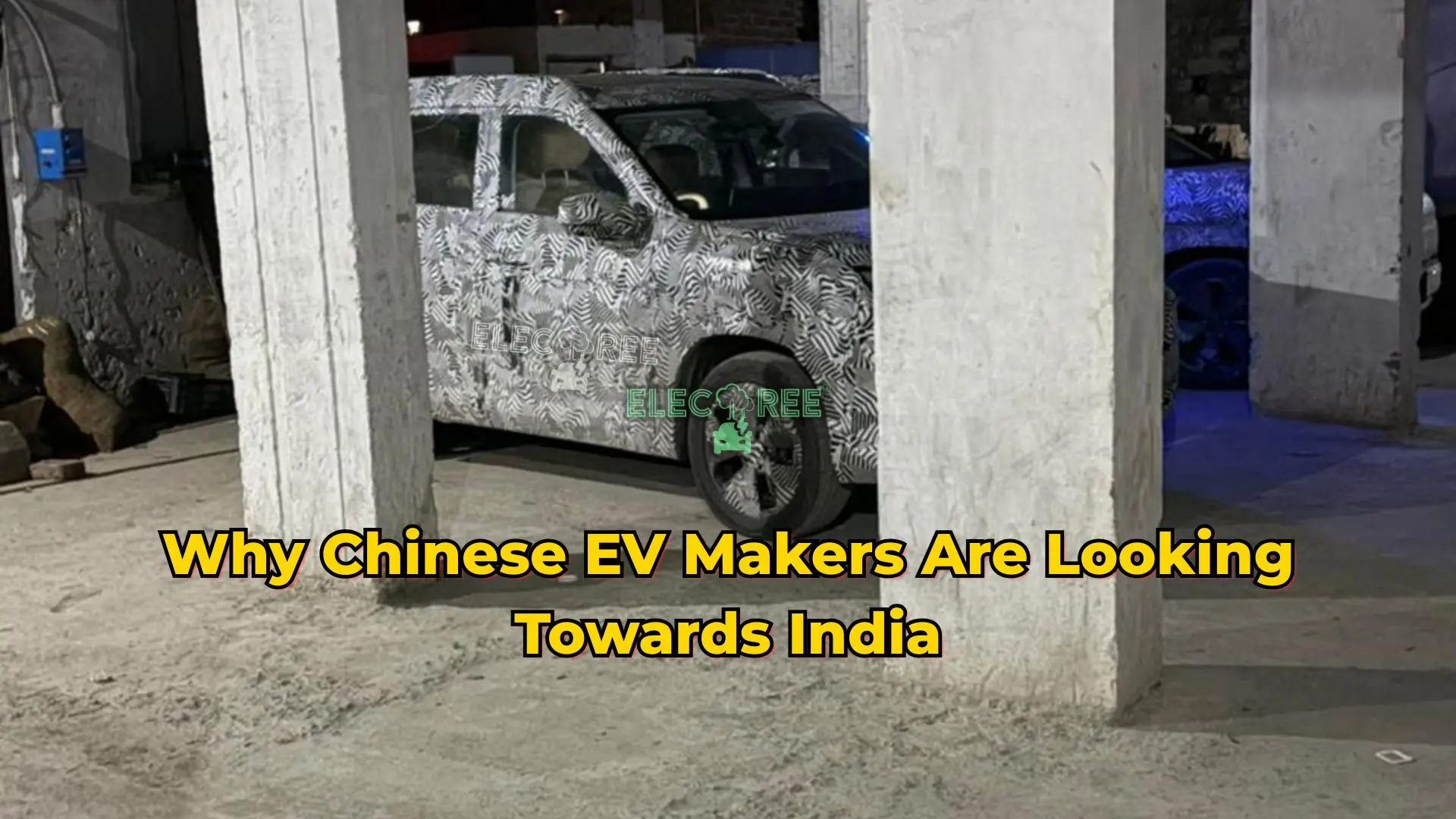
In May 2026, ElecTree exclusively reported a camouflaged Wuling Starlight 560 spotted charging at an Adani charger in Manali, confirmed by the test team as part of a Gujarat to Ladakh drive. It is not the first Chinese vehicle spotted testing on Indian roads and it will not be the last. The data from China's own market explains why.
China's Passenger Car Market Is Contracting
China's narrow definition passenger car market — sedans, hatchbacks, SUVs and MPVs — is the industry standard tracked by the China Passenger Car Association (CPCA). That market is under serious pressure in 2026.
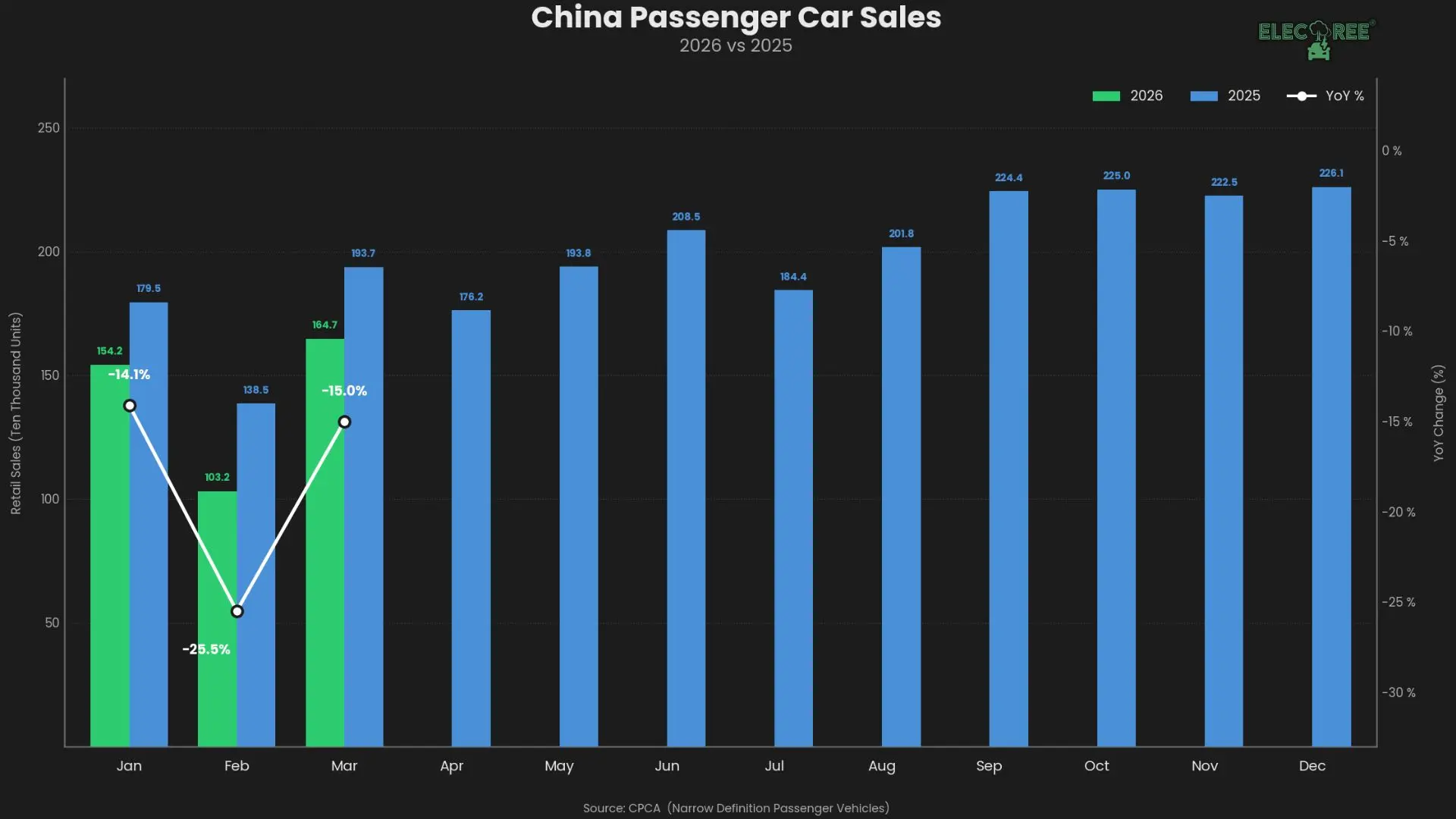
January 2026 came in 14.1% below January 2025. February fell 25.5%. March recovered partially but still declined 15% year on year. In the first quarter of 2026, China's passenger car market is running significantly behind 2025 across every month.
The Subsidy Cliff
For over a decade, China fully exempted new energy vehicles from the country's 10% vehicle purchase tax. Buyers saved up to 30,000 yuan per vehicle. That exemption ended on 31 December 2025.
From January 01, 2026, NEV buyers pay a minimum 5% purchase tax — half the standard rate — with the maximum benefit capped at 15,000 yuan. Premium EVs lost all relief entirely. Buyers rushed to purchase before the deadline — some dealerships reported order volumes up nearly 60% in the final weeks of 2025. When January arrived, demand fell sharply. [Source: Car News China]
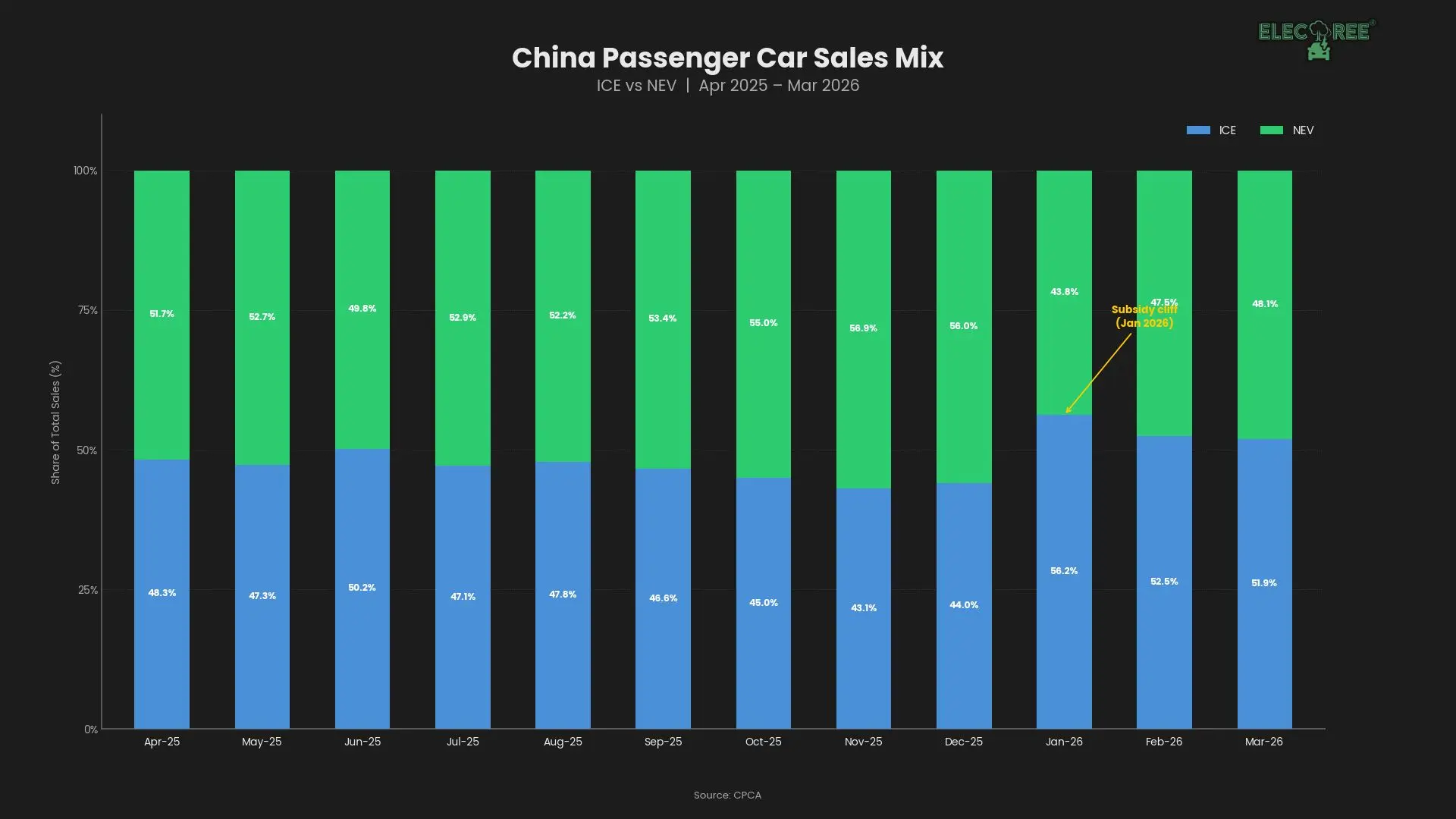
NEV share peaked at 56.9% in November 2025. In January 2026 it crashed to 43.8% — a 13 percentage point swing in a single month. By March 2026 it had partially recovered to 48.1% but remains well below pre-cliff levels.
Who Is Bleeding Most
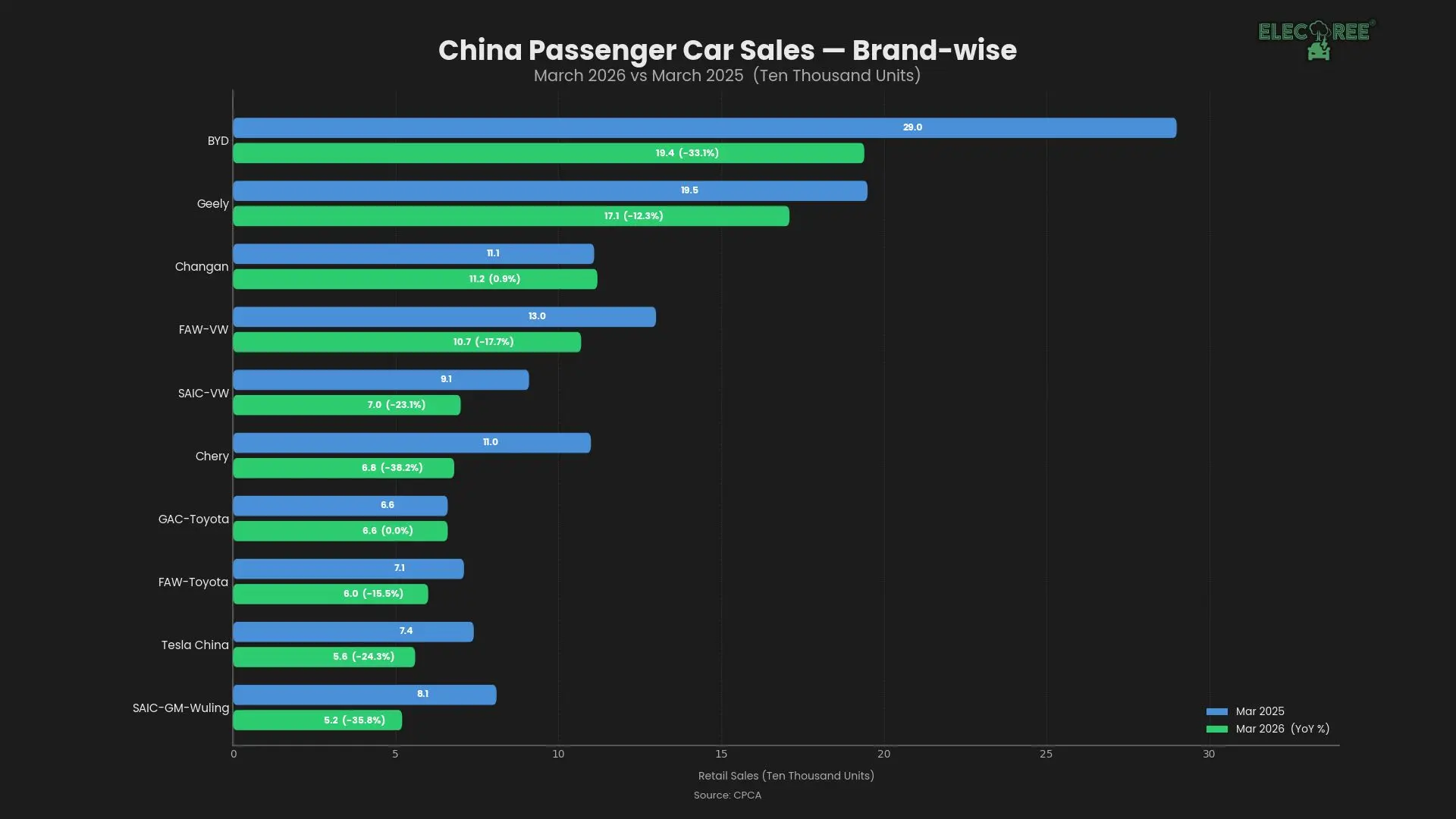
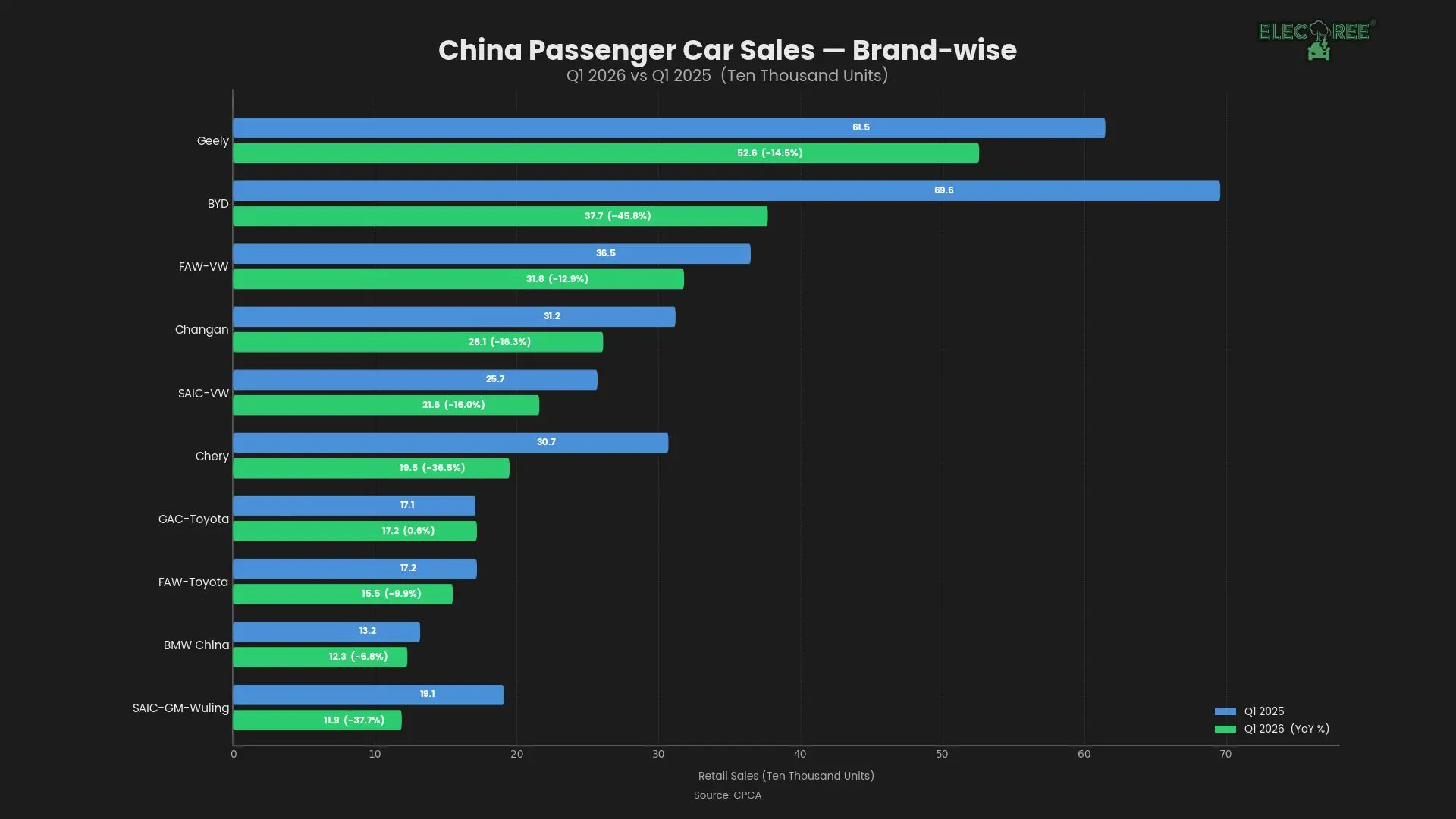
BYD fell 45.8% in Q1. Geely, China's most globally diversified automaker, declined 14.4%.
Two names are directly relevant to India for scope of this article — Chery and Wuling.
- Chery posted a 36.5% decline in Q1 2026 — losing over 11 lakh units of quarterly volume year on year. Chery is the technology partner in the JSW-Chery joint venture, with vehicles already testing on Indian roads.
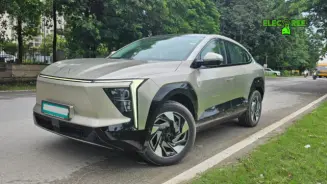
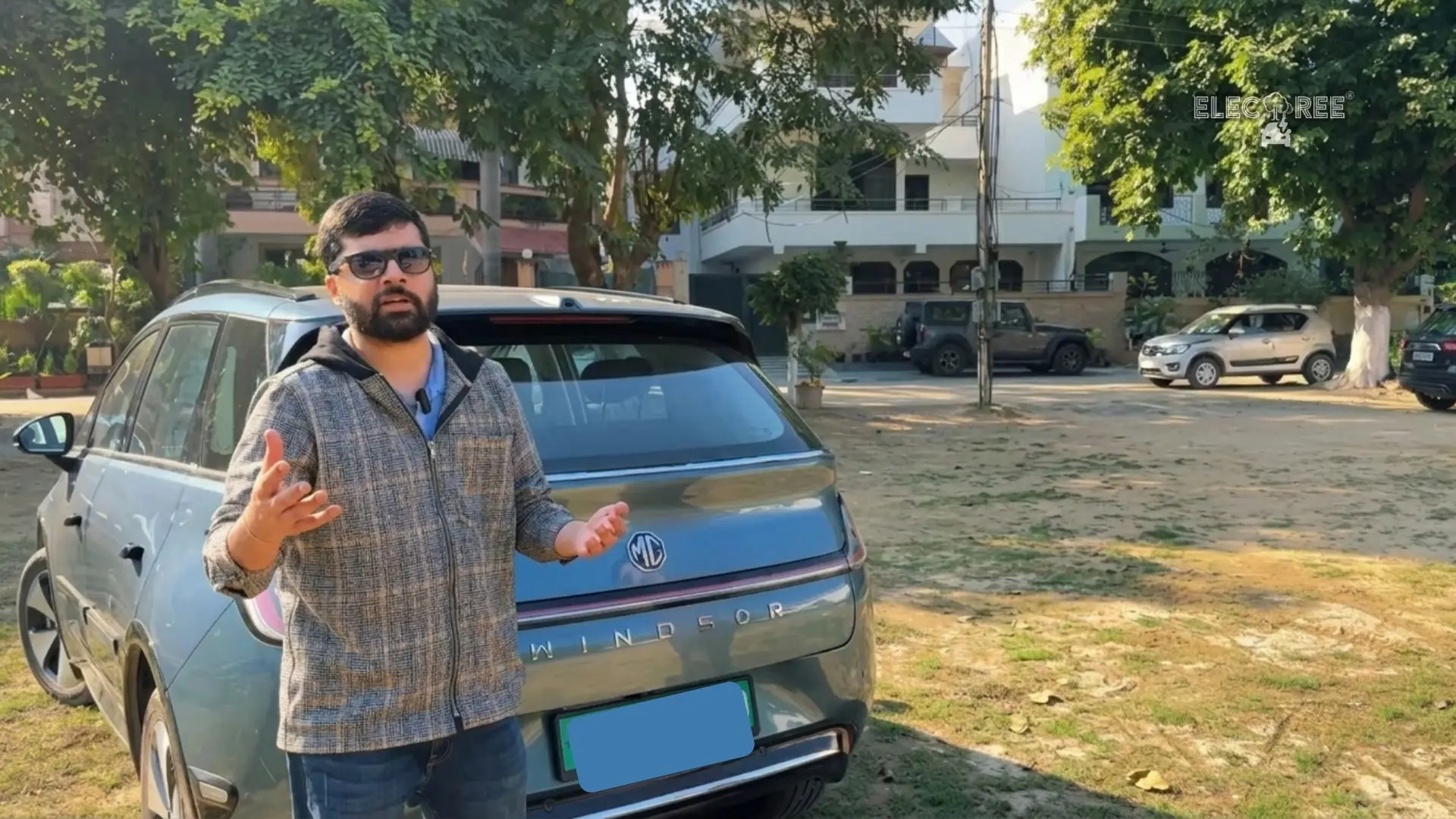
- SAIC-GM-Wuling fell 37.8% in Q1. Wuling is the Chinese parent of several products sold in India under the JSW-MG badge. The MG Windsor, India's best-selling EV in 2025 with 48,607 registrations since launch till 2025 , is based on the Wuling Cloud EV — proof that Indian buyers have already accepted a Chinese-engineered product enthusiastically when it is positioned and priced right. The Starlight 560 spotted in Manali is on a similar trajectory.
Both brands are not just caught in a bad market — they are underperforming within it. The overall market fell roughly 15% in Q1. Chery fell 36.5%. Wuling fell 37.8%.
Why India
Chinese OEMs built enormous manufacturing capacity during the subsidy-driven boom. That capacity needs volume. Direct entry into India faces regulatory barriers for Chinese investment, so the joint venture and rebranding route — JSW-Chery and JSW-MG-Wuling — is the mechanism that makes market access possible.
India's EV Market Is Just Getting Started
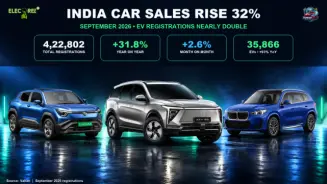
The timing makes India particularly attractive. India crossed 80,000 four-wheeler EV registrations in just the first four months of 2026 (Vahan Data excluding Telangana) — approaching the entire 2025 full-year figure of just under two lakh units. EV penetration touched 5.8% in April 2026, approaching 6% for the first time.
China's EV penetration is above 50%. India at 6% is exactly the kind of early-stage, high-growth market that makes export economics work for an OEM with idle capacity. Entering now, before the market matures and competition consolidates, is strategically rational.
What Comes Next
Homologation in India usually takes 12 months from active testing to showroom availability. The vehicles being tested now are the ones that arrive in 2026 and 2027. Indian buyers will increasingly find themselves choosing cars that are Chinese by engineering under joint venture badges. The Wuling Starlight 560 in Manali was not a coincidence. It was a signal.
Disclaimer: All charts have been created by the author with CPCA as data source. Digitally removing the ElecTree logo and repurposing the charts will amount to copyright infringement. Cite this article as source and provide the link if sharing details on social media or news publication.
Trending Articles