Mahindra XEV 9S: 5,000 km Ownership Experience
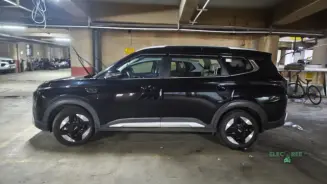
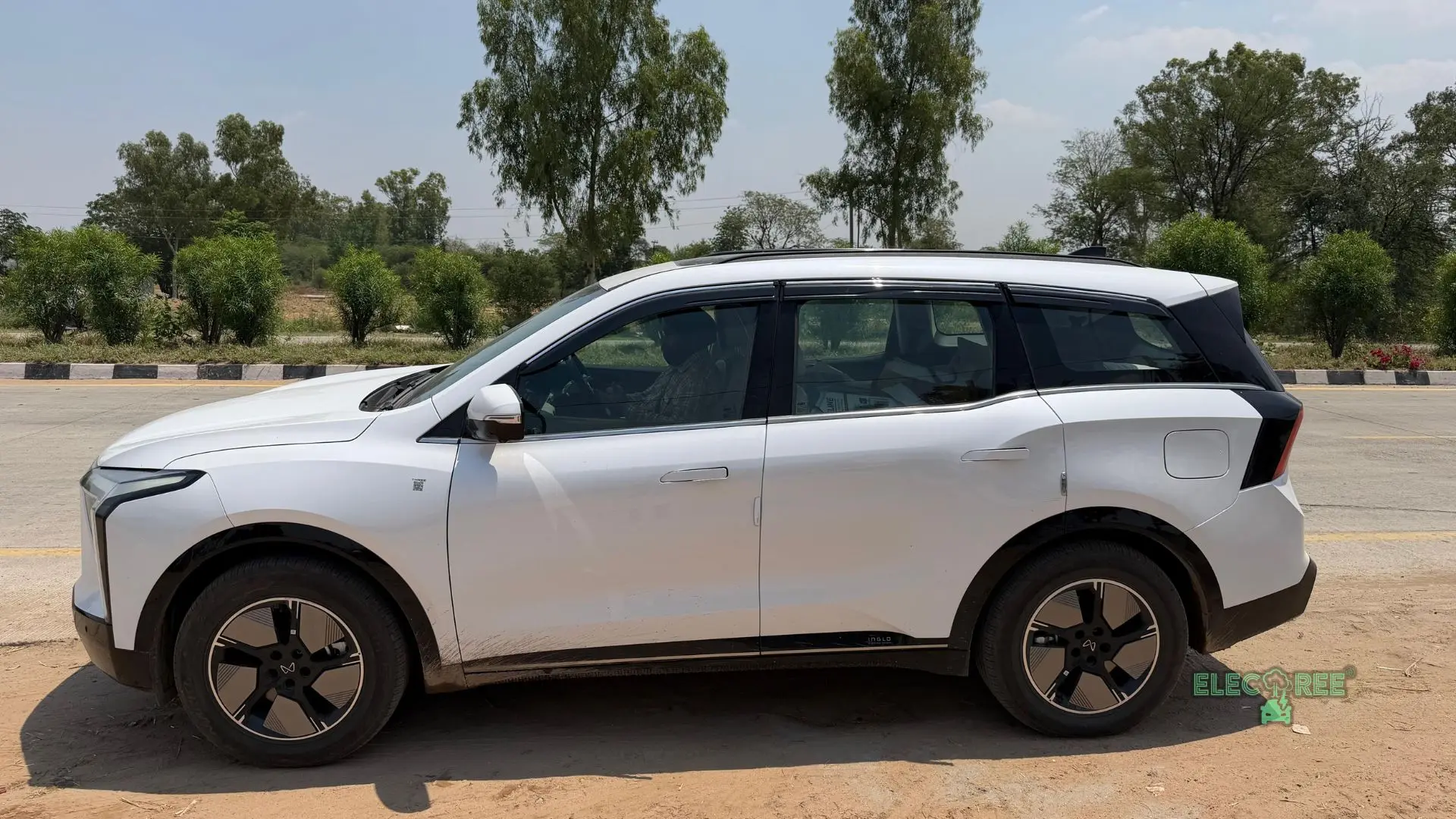
Sehajpreet Singh from Bathinda has covered 5,000 km in his Mahindra XEV 9S 79 kWh Pack Three since taking delivery in March 2026. He exclusively shares his ownership experience with ElecTree.


Category:
Tag:
- Mahindra XEV 9S Ownership Review
Sehajpreet Singh from Bathinda took delivery of his Mahindra XEV 9S 79 kWh Pack Three on March 10, 2026. He has since covered 5,000 km and exclusively shared his ownership experience with ElecTree.
The Buying Decision
Sehajpreet's decision to go electric was driven by practicality. "My main reason for choosing the XEV 9S was high running and the desire for lower running costs," he says.
Like many first-time EV buyers, he had apprehensions before signing on the dotted line — questions about battery longevity, reliability of new technology and whether the transition would be smooth. Five thousand kilometres later, those concerns have settled. "So far, so good — no complaints at all. The car is definitely a head-turner on the roads!"
First Impressions: The Cabin
Step inside and the XEV 9S makes an immediate statement. "The cabin is simply futuristic," Sehajpreet says. Fit and finish feel solid throughout and everything looks well put together — he is watching how it ages but has no concerns at 5,000 km.
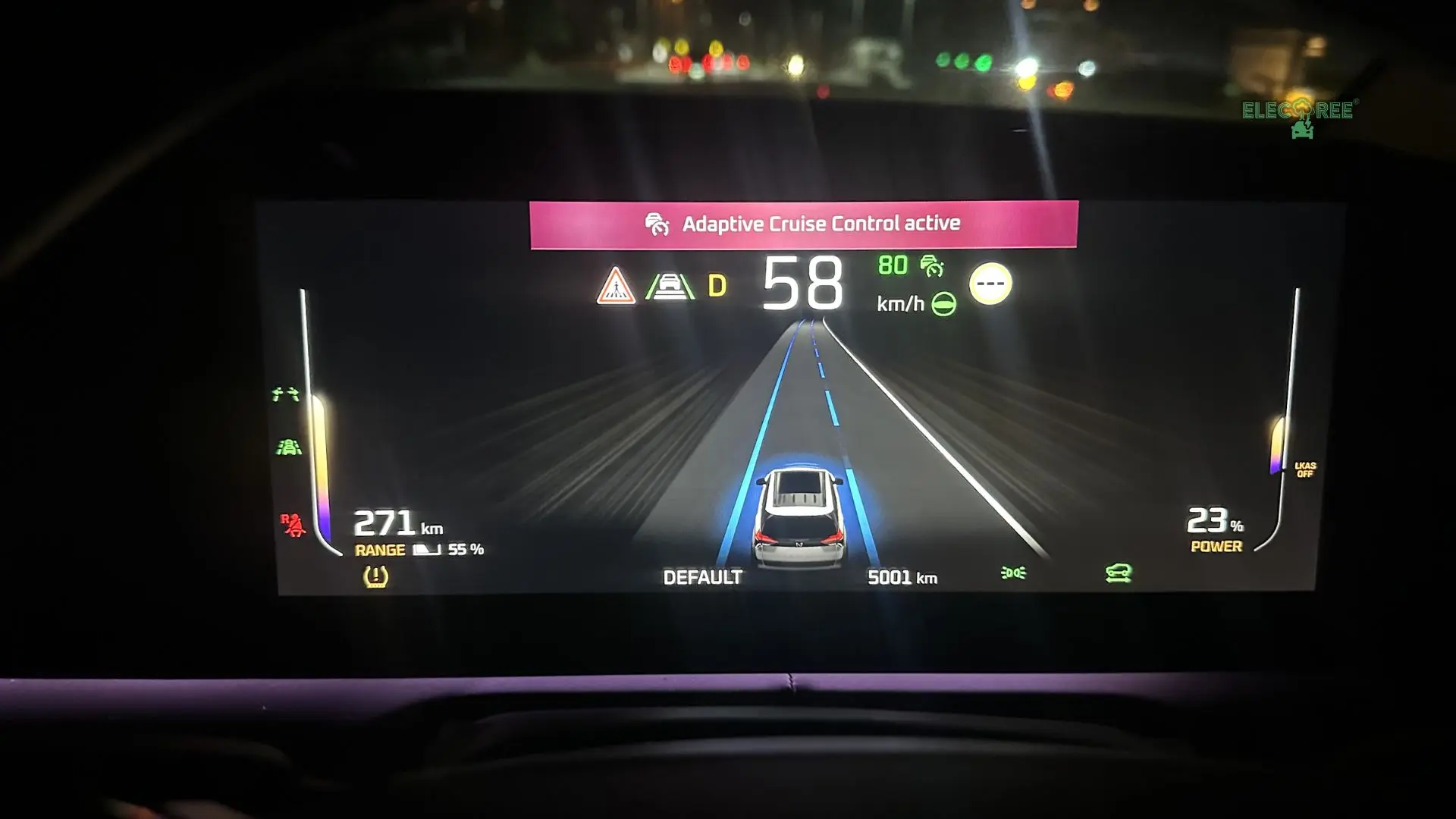
The screens are a particular highlight. "The screen has never lagged. It works instantly more than 95% of the time. There are so many features that I am still discovering and reading about them!" The third rear screen looks premium but he admits he has not had much practical use for it in daily driving.
On practicality, "I do use the frunk quite frequently — it is very good for normal duffle bags." The rear boot with the third row up, however, tells a different story. "The rear boot space with the third-row seats up is too little," he notes. The third row itself has limitations. "It is strictly for kids or people below, say, 5'5". For others, there is almost zero thigh support, and the sitting position is similar to squatting."
One specific interior gripe worth flagging. "The stock plastic file holders behind the driver and co-driver seats are pretty useless. If you keep anything in it, it might fall out from below. Mahindra should really improve these."
Living With It: Drive, Tech and ADAS
On the road the XEV 9S feels planted and confident. Handling is assured even at speeds around 110 kmph, and the high torque gives real confidence during overtaking manoeuvres. Braking has never given him a moment of doubt despite the car's substantial weight.
The suspension is generally comfortable but he has noticed occasional bouncing from the rear on wavy road surfaces at around 60 kmph. None of the passengers have complained, and he is unsure whether it is related to the car's length with the extra third row. It is worth monitoring over time.
"The Level 2 ADAS works perfectly fine," he says. He initially missed conventional cruise control but has grown comfortable with the adaptive system. He offers a practical tip for other XEV 9S owners on Lane Keep Assist — if kept on by default in settings, turning it off via the steering wheel button does not work as it turns back on almost instantly. His workaround is to keep it off by default and activate it manually only when needed, while keeping the lane departure warning always on.
"The Me4U app works flawlessly for managing the car remotely," he adds. We shared an owner's experience with the Me4U app after 1 year usage.
On the Road: Range and Trips
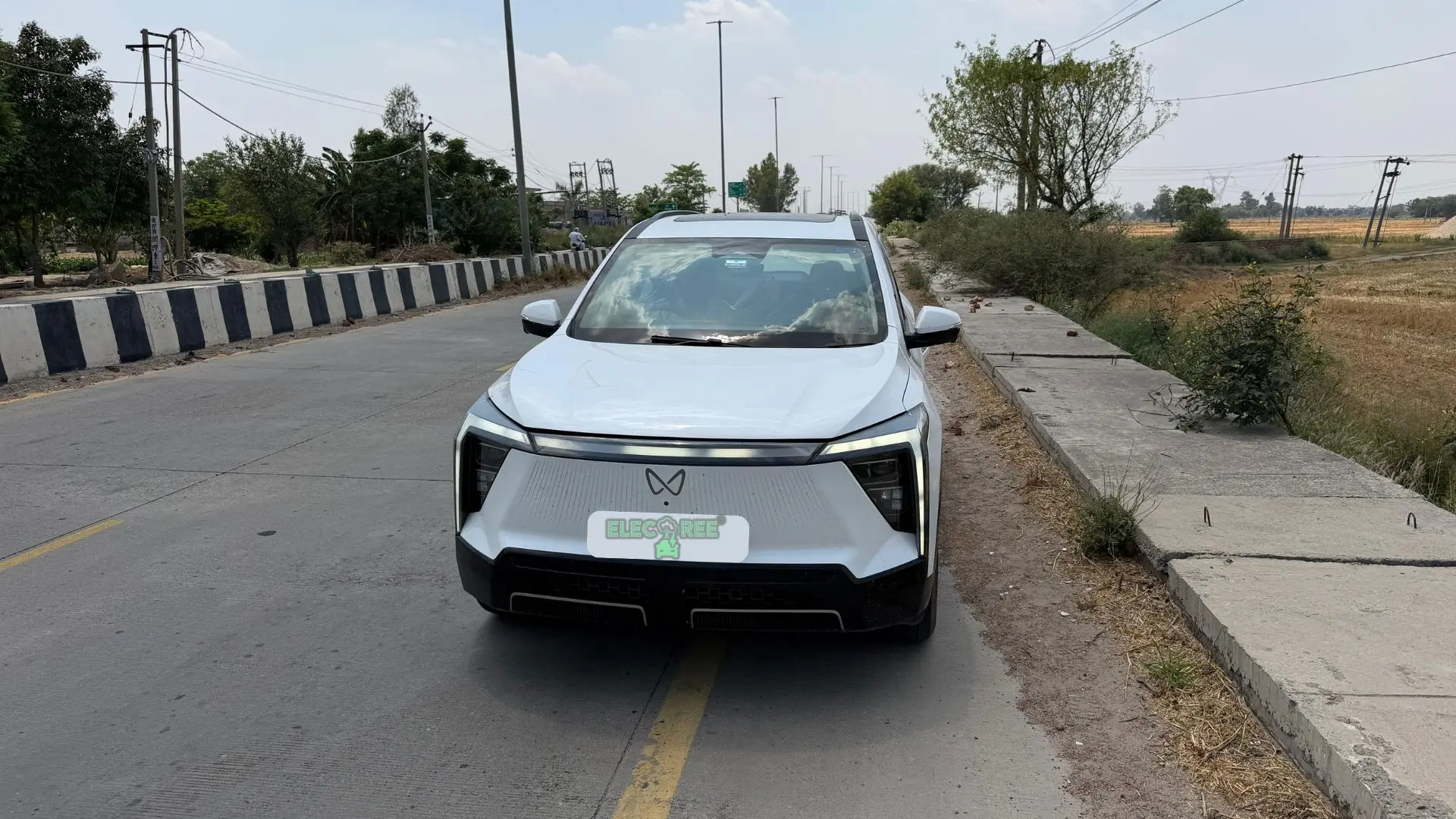
With air conditioning always on, Sehajpreet has observed consistent real-world range from the 79 kWh pack:
- Mixed driving (40% city, 60% highway) at around 80 kmph: 520-530 km
- Highway cruising at around 100 kmph: 440-450 km
He has completed Bathinda to Amritsar, Bathinda to Hoshiarpur and Bathinda to Patiala multiple times without recharging.
His longest trip has been Bathinda to Chandigarh — 240 km one way. Starting at 100% SoC and cruising at around 90 kmph, he reached Chandigarh comfortably with 54% SoC remaining. The journey could have been completed without any top-up, but he chose to do a safety charge. He has done this trip twice — the second time charging for only ₹200 knowing he would reach home safely without any issues.
Charging Experience
For daily use, Sehajpreet relies on the 3.3 kW charger provided with the car. A full charge takes around 27 hours. This works well for his lifestyle since most trips are planned and consecutive long drives are rare. He does not feel the need to upgrade to a 7.2 kW charger yet. His routine involves bringing the battery below 20% every 10 days and charging to 100% frequently.
For DC fast charging he has charged twice — both times at the Charjkaro station near Piccadily, Sector 34, Chandigarh.
On his first session the charger delivered 60 kW when the second gun was free. When another vehicle occupied the second gun, the speed dropped to 30 kW — a charger-side behaviour, not a car limitation. Charging to 90% SoC took 55 minutes at 30 kW. The cost was ₹10.7 plus GST per unit, totalling ₹386 for the session. He used the time to have lunch at the eating place on site — the session was done by the time he finished.
Service Experience
One free service completed so far at 2,000 km. Sehajpreet rates the overall experience 7.5 out of 10.
He had booked an appointment and arrived at the service centre only to be told the car could not be serviced that day. The advisor denied ever giving him the appointment. Over the next two to three days he received multiple calls from the service centre apologising — including from the same advisor who eventually admitted the appointment had been given but could not be honoured on time. Another advisor arranged home pickup the following day and the service was completed.
The situation was resolved and everyone apologised. But he feels a transparent appointment management system needs to be in place so other owners do not face the same experience.
What Mahindra Should Improve
Sehajpreet's suggestions are specific and actionable.
"I feel that the throw distance on the low beam could definitely have been better. There is real scope for improvement here for night driving."
On dashcam integration: "What is stopping the brand from using the 360 camera as a dash-cam? Why do I need a separate accessory for this?"
On the Me4U app, he suggests trip detail should show start and end SoC — this would make tracking usage significantly easier.
The Lane Keep Assist behaviour via the steering wheel button needs a software fix.
On audio: the speaker system is good on paper but he rates it 7.5 out of 10. Using all 16 speakers natively requires a Gaana subscription — he uses Apple CarPlay and YouTube Premium and is looking for workarounds.
"The bag for the 3.3 kW charger is very small, and packing that charger into the bag is a big hassle. I had to keep a larger bag for it permanently in the frunk. Mahindra should really work on improving this."
Physical AC buttons would make driving safer than the current touchscreen-only approach, though he acknowledges he has grown comfortable with the screen layout.
After 5,000 km
"Overall, the transition to EV has been smooth. The lower running costs, excellent range, and amazing street presence make the XEV 9S a fantastic vehicle," Sehajpreet concludes. He recommends it without hesitation — but hopes Mahindra takes note of the minor ergonomic and feature gaps in future updates.
Disclaimer: The images used are rightfully Mr. Sehajpreet Singh's. We have permission to use the Electree logo on them. Digitally removing the logo and repurposing the images will amount to copyright infringement.
Trending Articles