Tesla Model Y L Is Here: Does It Make the Standard Variants Pointless at ₹62L?
The Model Y L lands at ₹61.99 lakh with 681 km range, AWD and six seats. The Long Range variant above it suddenly makes very little sense. But the more interesting story is what Tesla's own sales data says about how India feels about the brand.


Category:
Tag:
- Tesla Model Y L
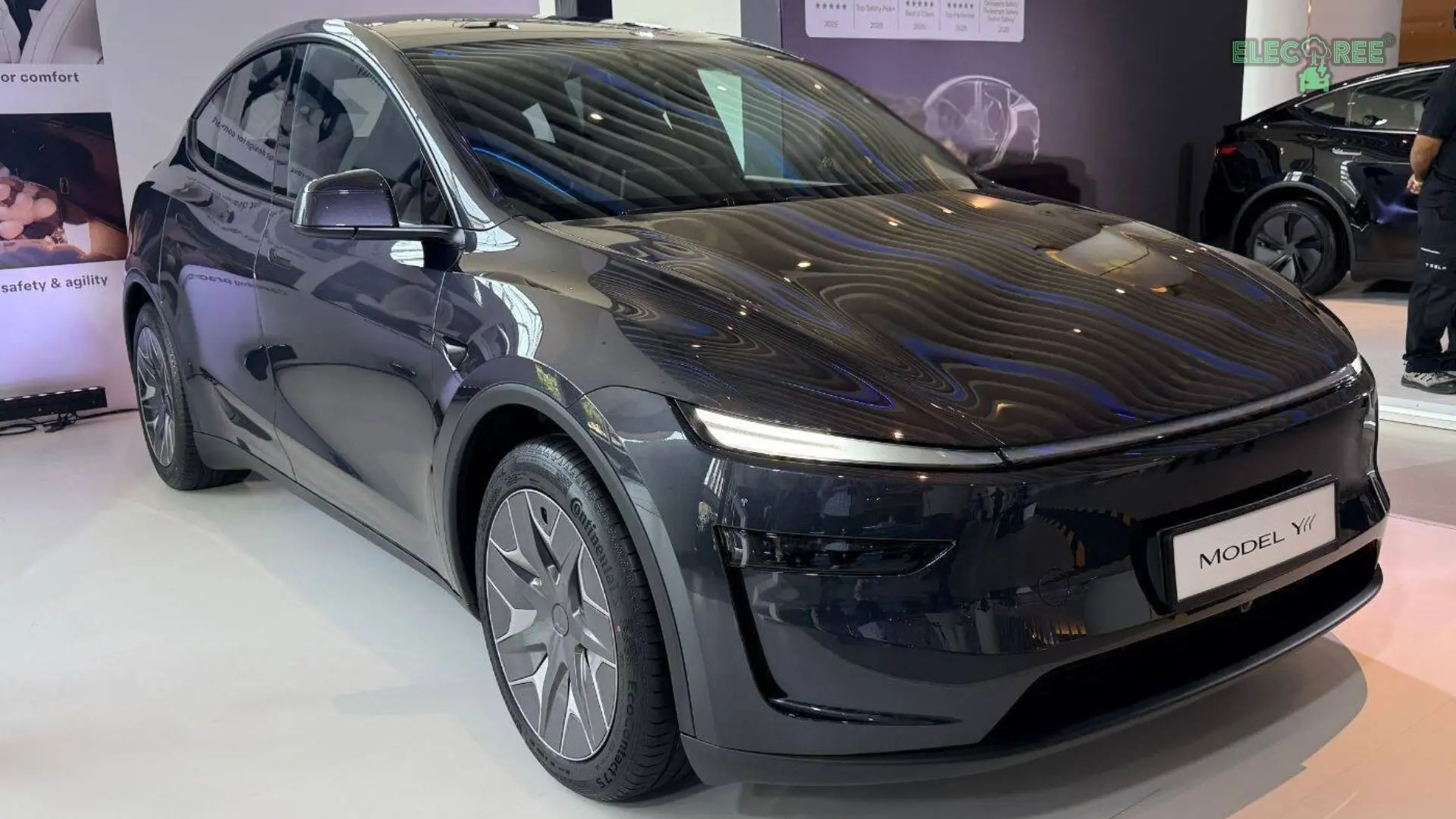
Tesla has been in India for less than a year. It has three showrooms — Delhi, Mumbai and Gurugram. And until last week, it offered two variants of the Model Y: a Standard Range at ₹59.89 lakh and a Long Range at ₹67.89 lakh.
Then came the Model Y L — the Long Wheelbase — at ₹61.99 lakh. And it quietly made one of those two variants very hard to justify.
What the Model Y L Actually Is
The L is not just a bigger Model Y. It is a fundamentally different proposition. The wheelbase stretches by 150mm, the overall length grows to 4,969mm, and the third row adds a sixth seat with captain chairs in the middle. It is the first Model Y in India to get dual-motor all-wheel drive. The battery grows to 88.2 kWh and the WLTP-claimed range hits 681 km. Power is estimated at 514hp and 590Nm as reported by Autocar India, making it the most powerful Model Y available in India.
All of this for ₹61.99 lakh.
The Long Range Problem
This is where it gets uncomfortable for anyone who already bought — or was considering — the Long Range variant.
| Variant | Price | Battery | Range | Drive | Power | Seats |
|---|---|---|---|---|---|---|
| Model Y SR | ₹59.89L | 60 kWh | 500 km | RWD | 235 bhp | 5 |
| Model Y L | ₹61.99L | 88.2 kWh | 681 km | AWD | 514 bhp* | 6 |
| Model Y LR | ₹67.89L | 84.2 kWh | 661 km | RWD | 335 bhp | 5 |
The Long Range costs ₹6 lakh more than the L. For that premium, you get a smaller battery, less range, fewer seats, single motor rear-wheel drive, and less power. The only reasonable argument for the LR now is if you specifically do not want a third row but then you can fold it electronically for a massive boot of 1,076 litres.
For SR buyers the math is different but equally pointed. ₹2.1 lakh more gets you 28 kWh of additional battery, 181 km of additional range, AWD, dual motors and a sixth seat. In a segment where buyers are spending ₹60 lakh, ₹2.1 lakh is not a meaningful difference. Many SR buyers will quietly wonder whether they should have waited.
What Tesla's India Numbers Actually Say
Tesla opened its first showroom in July 2025. The first sales commenced in September. The early LR numbers — 2 in September, 1 in October — almost certainly represent showroom vehicles, one per store. Real LR consumer deliveries only began from November.
Here is what Vahan registration data shows:
| Month | Model Y SR | Model Y LR | Total |
|---|---|---|---|
| Sep-25 | 67 | 2* | 69 |
| Oct-25 | 39 | 1* | 40 |
| Nov-25 | 30 | 18 | 48 |
| Dec-25 | 26 | 43 | 69 |
| 2025 Total | 162 | 64 | 226 |
| Jan-26 | — | — | 38 |
| Feb-26 | — | — | 29 |
| Mar-26 | — | — | 52 |
| Q1 2026 | 119 | ||
| Total | 345 |
We do not possess the sales split for 2026, hence we showcase the overall sales. 345 units in roughly seven months across three cities. That is not a criticism — Tesla is a new entrant, CBU imported, with import duties that push prices significantly above international levels. But it is context.
The Badge Question
Here is something worth saying plainly, because Indian car buyers think about it even if they do not always say it.
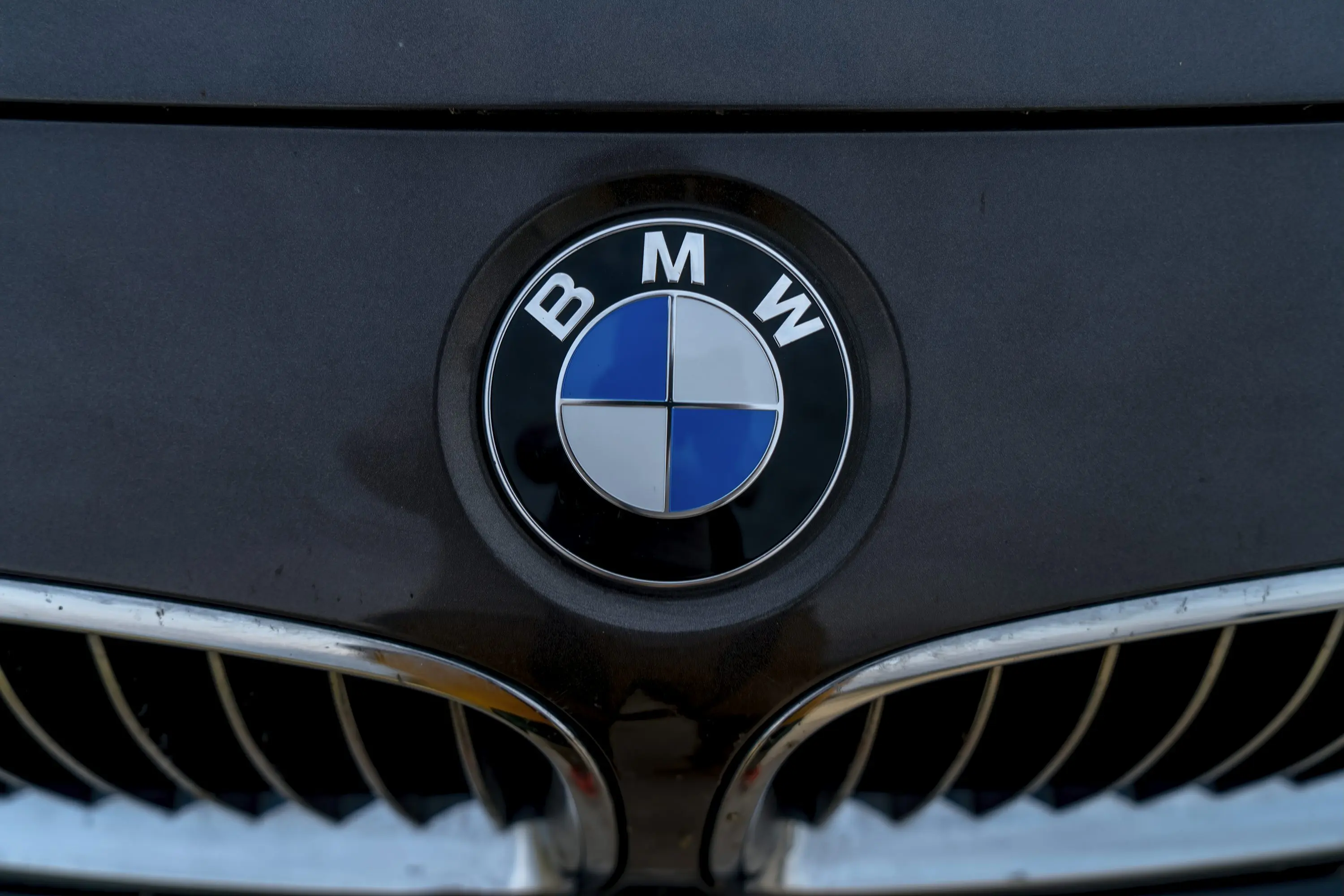
In the ₹50-70 lakh segment, buyers are not just purchasing a car. They are purchasing what the car communicates. When a BMW pulls into a hotel valet or a restaurant parking lot, there is an instant recognition — the kidney grille, the badge, what it means in India's social vocabulary. That recognition has been built over decades.
Volvo has been in India for years, carries genuine European premium credentials, and sells excellent cars. In 2025, all Volvo EV sales (excluding EX30) stood at 376 units. The EC40 Dual Motor, which is the most direct competitor to the Model Y L on specification, sold just 83 units in 2025. Volvo has not yet cracked the badge equation in India either, despite its heritage and network.
Tesla is in the same conversation. The brand carries enormous global recognition and genuine technological credibility. But in India, the social currency of a badge is built through years of visibility, aspiration and familiarity — Tesla is seven months old here.
How the Segment Looks
For perspective, here is how the broader ₹49-70 lakh EV segment performed in 2025 across India
| Model | 2025 Registrations |
|---|---|
| BMW iX1 LWB | 2,685 |
| BYD Sealion 7 | 2,212* |
| Kia EV6 | 505 |
| Volvo (excl. EX30) | 376 |
| Tesla Model Y | 226** |
| BMW iX1 (standard) | 103 |
The iX1 LWB is the clear leader. It launched at ₹49 lakh, carries the BMW badge, and delivers genuine rear-seat space. BYD Sealion 7 is the VFM story — 82.56 kWh battery, 567 km range, starting at ₹49.40 lakh, and growing fast since its March 2025 launch.
India's premium EV buyer, as these numbers show, still responds most strongly to the combination of badge and value. The iX1 LWB offers both. The Sealion 7 offers exceptional value with a brand that is still building recognition. The EV6 and Volvo offer genuine alternatives that have not broken through at scale.
Where the Model Y L Sits
At ₹61.99 lakh, the Model Y L has the strongest specification in its price band — more range than anything here, AWD, six seats, and the Tesla technology stack. On paper it is the obvious choice.
Whether it becomes one in practice depends on a question Tesla is still answering in India: has the brand earned the kind of trust and social recognition that makes a buyer at this price point feel certain about their decision?
The spec sheet says yes. The sales data however says the jury is still out.
Data source: Vahan, Government of India and Telangana State. All-India figures. 2025 calendar year unless stated.
Recent Articles
Trending Articles
Kerala Makes EVs More Affordable: Revised Road Tax Structure to Accelerate Adoption
India Car Sales by Fuel Type — March 2026: EV Share Hits New High, CNG Surges, Petrol Loses Ground
No Fire Safety Certificate Will Be Declined Over EV Chargers, Says Haryana Fire Department
Haryana Releases Draft Fire Safety Guidelines for EV Charging