The Electric Surge: Why EVs are the New Frontier for India’s 4W Market
The era of fossil fuel dominance in India's automotive market is officially coming to an end. ???? While CNG took 10 years to climb to a 23% market share, EVs are already hitting their tipping point in half the time. Read the full data breakdown on how the South, the West, and brands like Tata, MG, and Mahindra are driving the next great automotive surge. ⚡????


Category:
Tag:
- India EV market
- CNG cars
- Passenger vehicle sales
- Fuel type analysis
- Clean mobility
- Electric vehicles
- Petrol vs CNG
- Auto market trends
The Indian automotive landscape is undergoing a historic transformation as traditional internal combustion engines lose their decades-long dominance. While Compressed Natural Gas (CNG) has established itself as a formidable alternative over the last decade, Electric Vehicles (EVs) are now demonstrating a growth trajectory that promises to redefine the future of Indian roads. By using the established success of CNG as a benchmark, the data reveals that EVs are entering an exponential phase of adoption.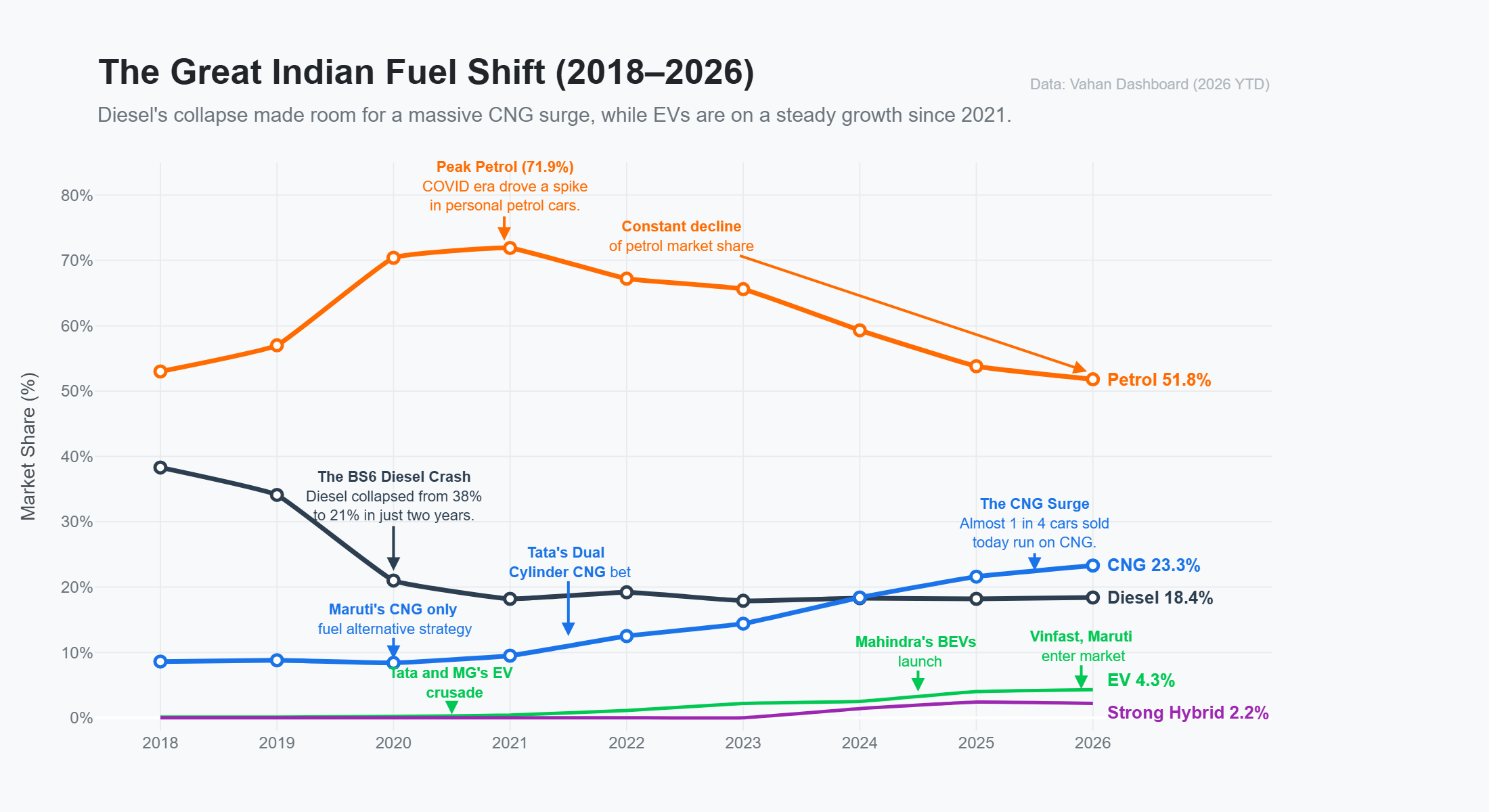
CNG as the Reference: A Decade-Long Ascent
Since the launch of factory-fitted kits in 2010, CNG has become an unsung hero of the Indian market. In 2018, eight years after its mainstream introduction, CNG held an 8.6% national market share. Since then, it has surged to a 23.3% share in 2026 YTD, effectively filling the vacuum left by the collapse of Diesel, which fell from 38.3% to 18.4% in the same period.
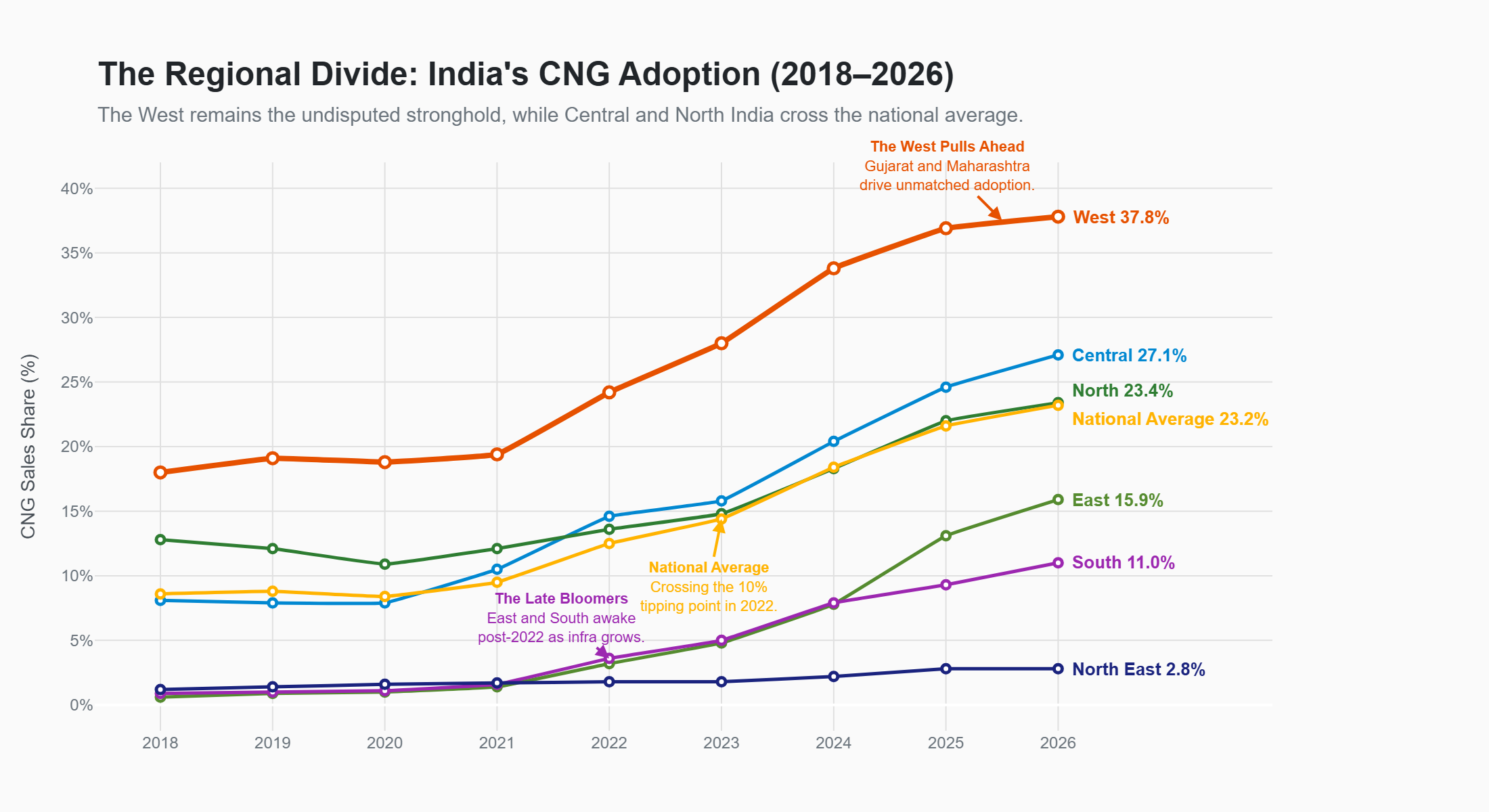
CNG’s success is anchored in specific regions and segments:
- Regional Strongholds: Adoption is led by the West at 38% and the Central region at 27%.
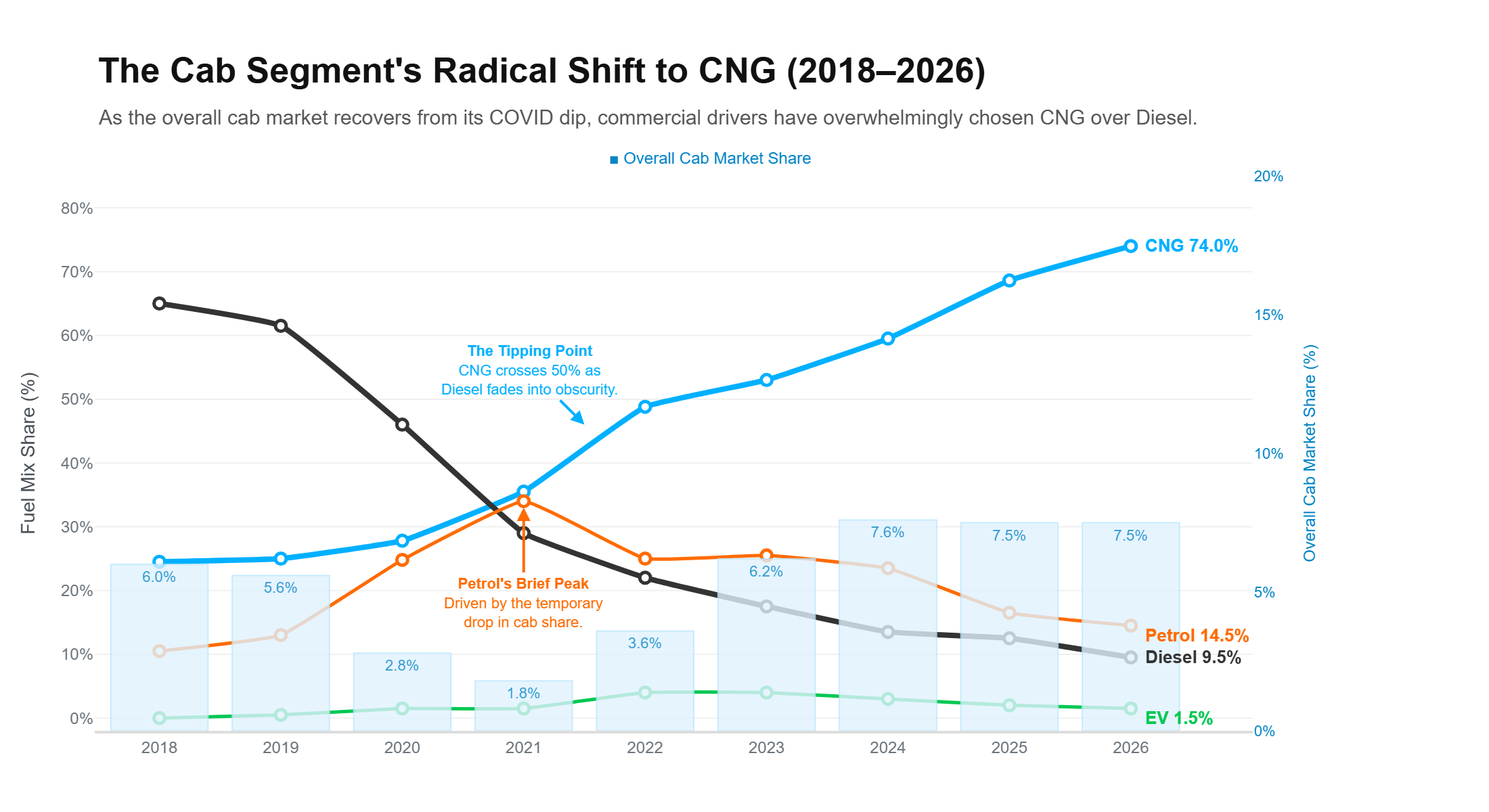
- Fleet Dominance: It has become the standard for commercial use, accounting for 96.0% of Hyundai’s cab sales and 84.5% of Maruti Suzuki’s cab sales in 2026 YTD.
The EV Trajectory: Faster, Sharper, and Brand-Led
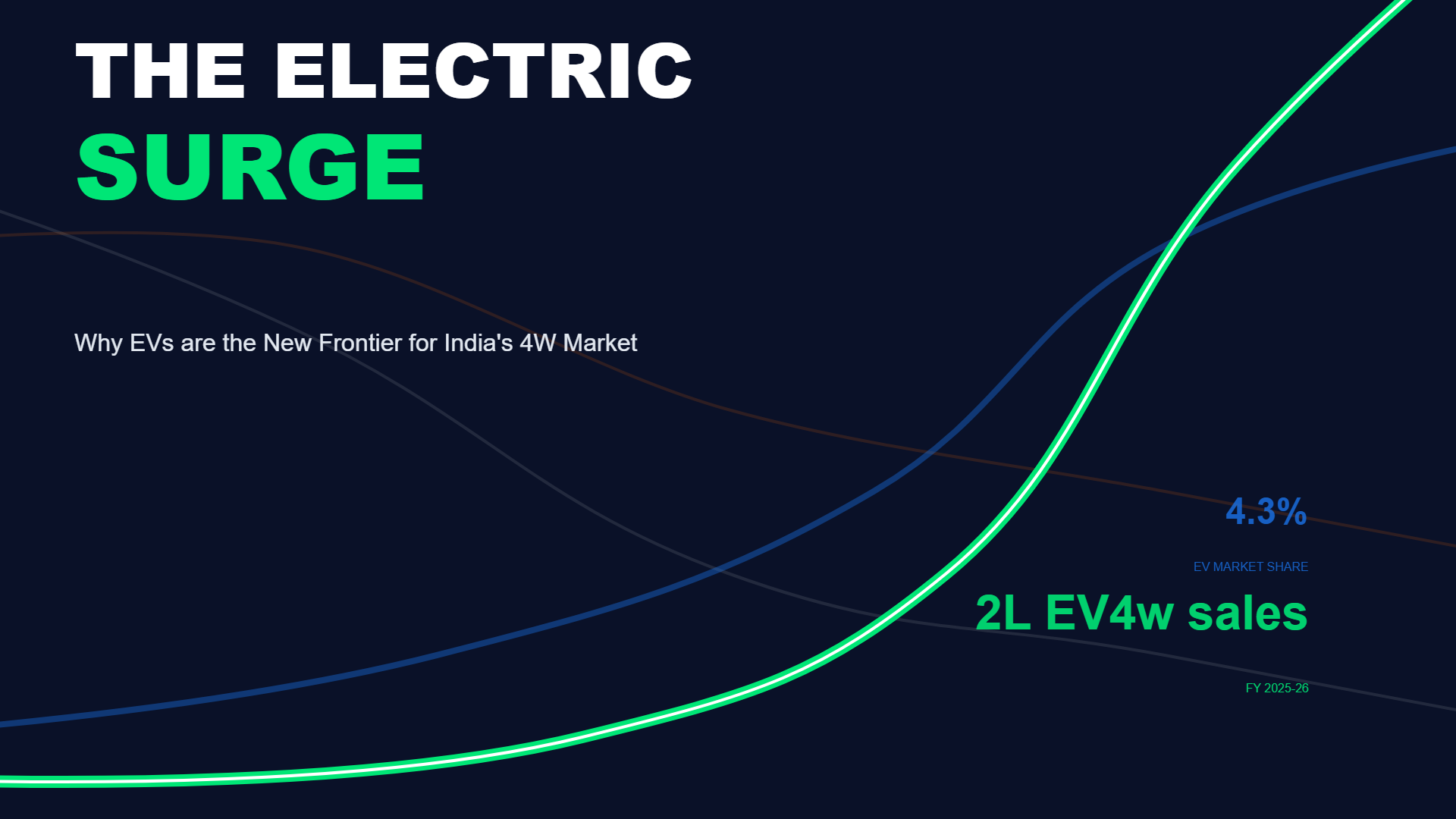
Mainstream EVs entered the market around 2020, a decade after factory-fitted CNG. In 2020, EVs represented a negligible 0.2% of the market. By 2026 YTD—just 5 years into their journey—they have already reached a 4.3% national share. This is on a faster trajectory than CNG, which had 9% market share after 11 years. The intensity of adoption among modern manufacturers suggests EVs are disrupting the market much faster than CNG did in its early years.
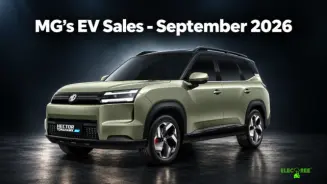
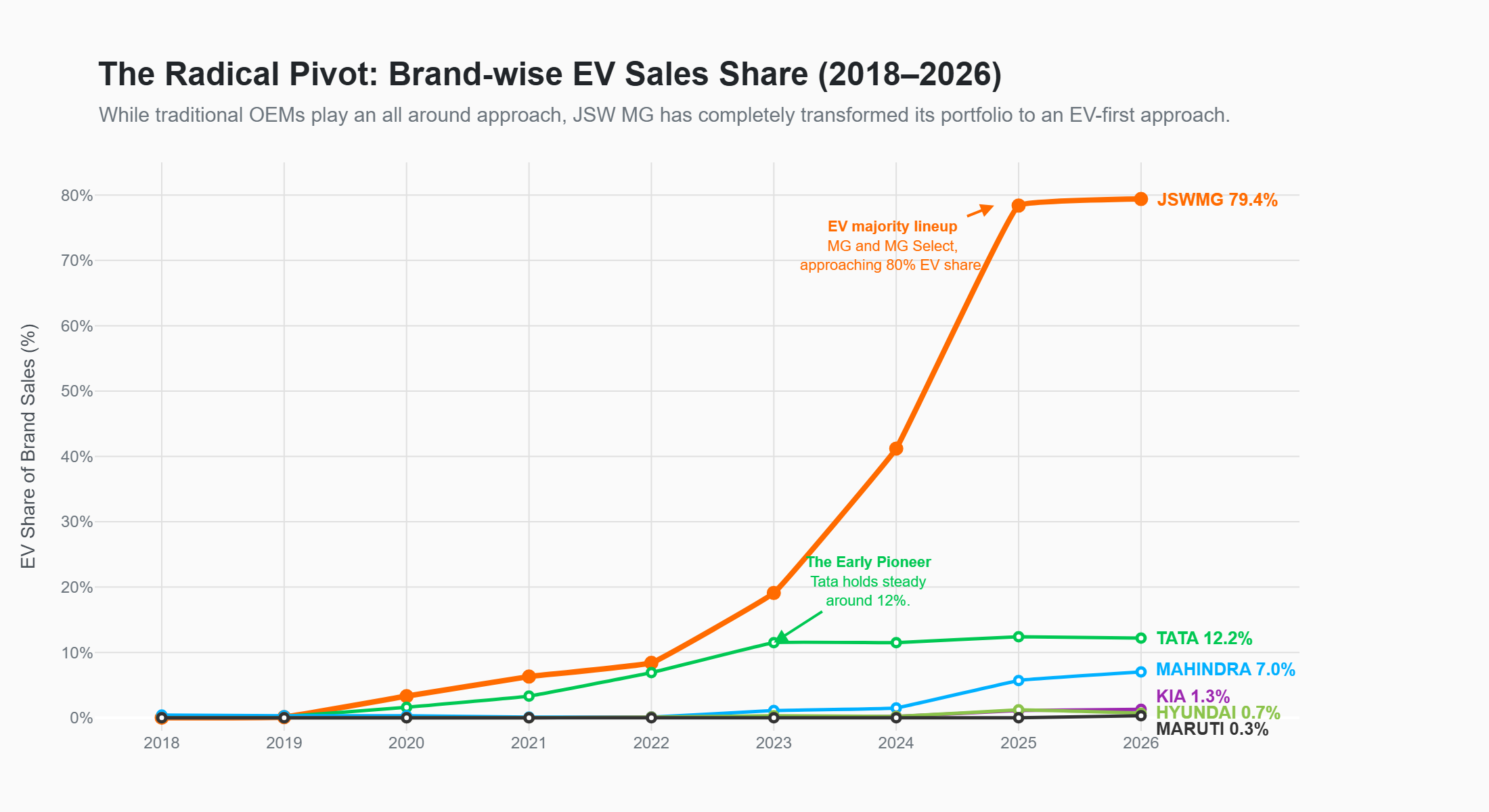
- The MG Revolution: JSW MG Motor has already achieved what many thought was decades away; 79.4% of its overall sales in 2026 YTD are electric.
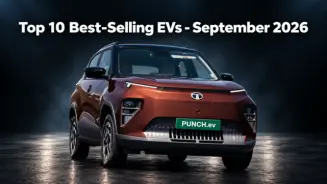
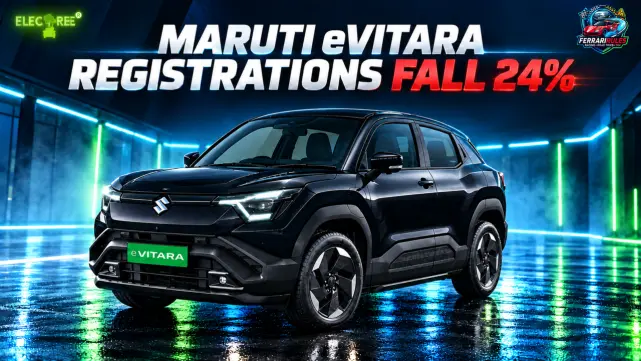
- Tata’s Strategic Lead: As a major incumbent, Tata Motors has scaled its EV share from 0.1% in 2018 to 12.2% in 2026 YTD.
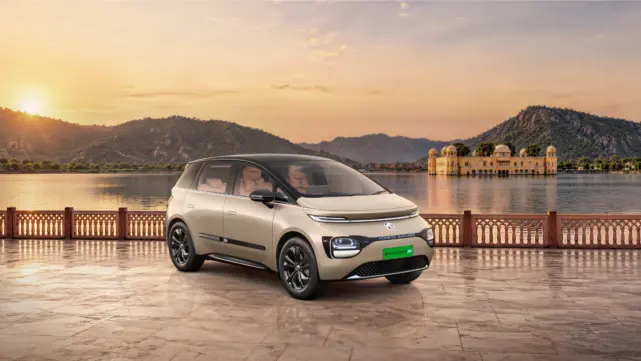
- Mahindra’s Pivot: Mahindra has also seen a significant jump, with EVs now making up 7.0% of its sales so far this year.
Regional Blueprints for an Electric Future
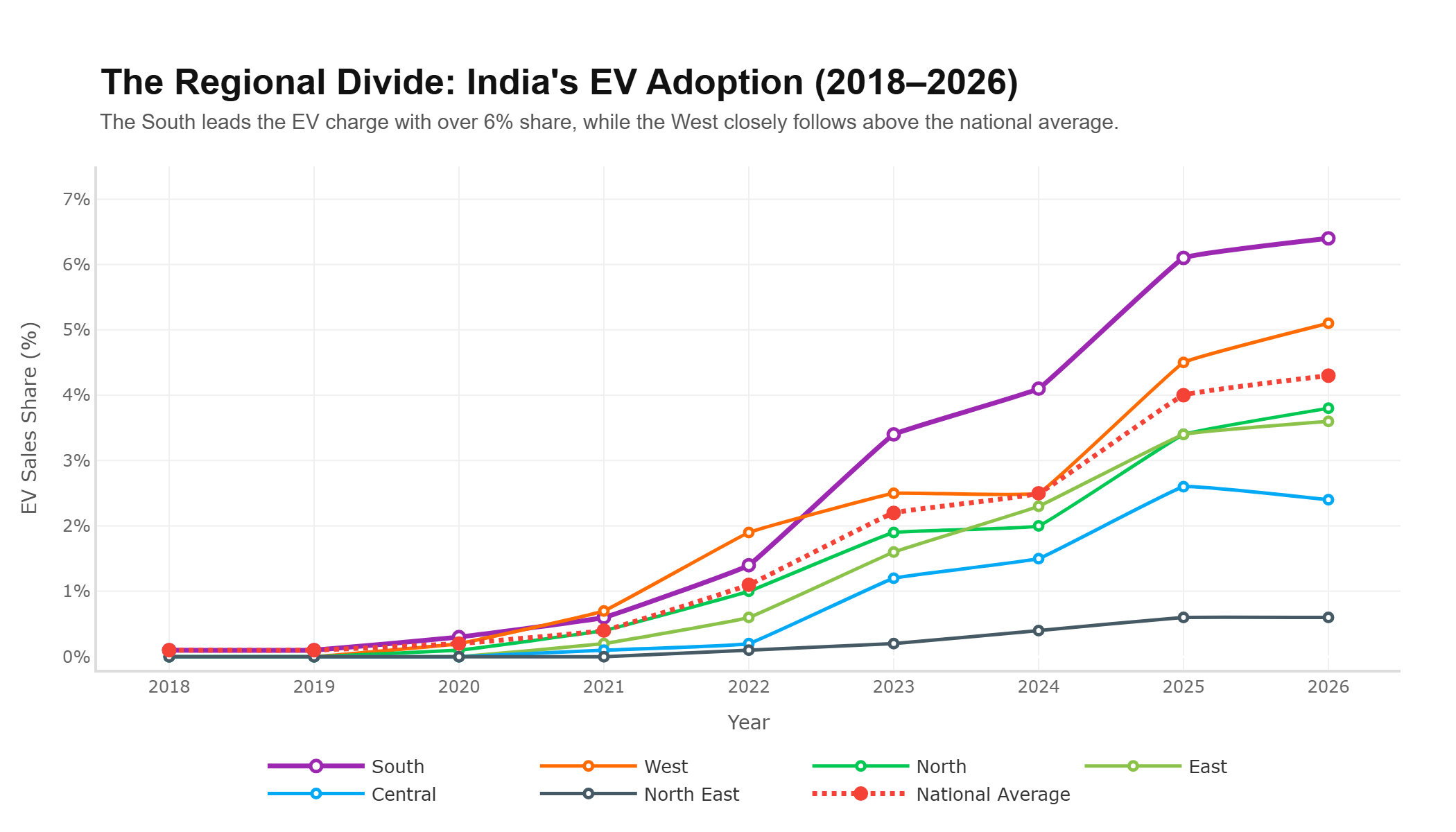
Just as the West pioneered CNG adoption, the South and West are currently serving as the national laboratories for the EV transition. As of 2026 YTD, the South leads with 6% EV penetration, followed by the West at 5%. In the South, the shift is particularly noteworthy, growing from just 1% in 2021 to 6% in 2026, indicating that once consumer trust and infrastructure reach a tipping point, adoption accelerates rapidly.
Winning the Private and Commercial Segments
While CNG has won the cab market, EVs are making significant inroads into the private car segment, where buyers are looking for long-term sustainability. At Tata, the private car EV share has reached 12.0%, nearly matching its 13.0% Diesel share.
Even in the commercial sector, EVs have shown flashes of absolute dominance; for instance, EV cabs saw a 4% market EV share in 2022 and 2023, demonstrating that electric fleets are highly viable for high-usage scenarios. But Blusmart fraud has impacted the EV cab industry negatively.
The Verdict: A Clean Break from the Past
The past 8 years of data confirms that the era of fossil fuel dominance is ending. Petrol share has peaked at 71.9% (2021) and retreated to 51.8% today. As this trend continues, EVs are uniquely positioned to capture the departing market share. While CNG took a decade to reach double digits, the rapid ascent of EVs in the South and West, combined with the extreme "electric-first" brands like MG, VinFast, BYD, and JSW Motors (upcoming), suggests that EVs are poised to match—and eventually surpass—the trajectory set by CNG.
Trending Articles